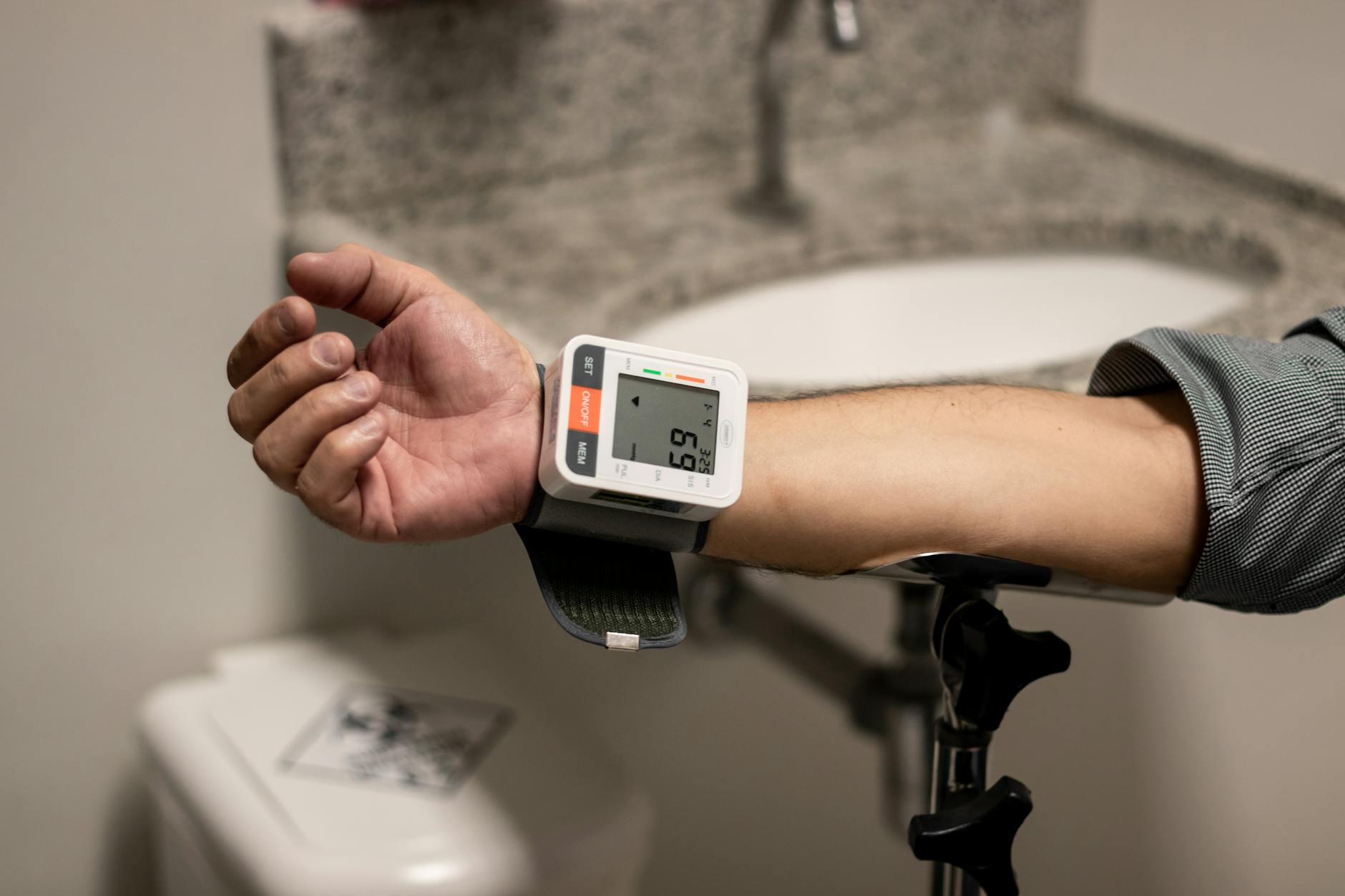
Low blood pressure, or hypotension, affects millions of people and often flies under the radar compared to its better-known counterpart, high blood pressure. While some people with hypotension feel perfectly fine, others experience a range of uncomfortable or even dangerous symptoms that disrupt daily life. Understanding the most common hypotension symptoms can help you recognize when your body is sending warning signals and when it may be time to talk with your doctor.
1. Dizziness or Lightheadedness
Dizziness is one of the most frequently reported hypotension symptoms. When blood pressure drops too low, your brain may not receive adequate blood flow. This often creates a spinning or floating sensation that can strike without warning. According to the Mayo Clinic, dizziness and lightheadedness are hallmark signs of low blood pressure. The feeling tends to worsen when you change positions quickly, such as standing up from a chair. If you experience frequent dizziness, try rising slowly and staying hydrated throughout the day.
2. Fainting or Near-Fainting Episodes
Fainting, medically known as syncope, happens when blood pressure drops sharply enough to temporarily cut off blood supply to the brain. It is essentially dizziness taken to its most extreme endpoint. Some people experience a warning phase of tunnel vision or feeling hot before they faint. Others lose consciousness suddenly and without any warning at all. Near-fainting episodes, where you feel like you might pass out but do not, are equally concerning. If fainting occurs more than once, seek medical evaluation promptly to rule out underlying cardiac or neurological conditions.
3. Blurred or Fading Vision
Your eyes demand a steady supply of oxygen-rich blood to function properly. When blood pressure falls, the tiny blood vessels in the retina may not receive enough flow. This can cause your vision to blur, dim, or even temporarily fade to black. Research suggests this visual disturbance is especially common in orthostatic hypotension, the type triggered by standing up too fast. The symptom usually resolves within seconds once blood flow stabilizes. However, persistent or recurrent vision changes warrant a conversation with your healthcare provider to investigate the root cause.
4. Fatigue and Generalized Weakness
Chronic low blood pressure can leave you feeling drained even after a full night of sleep. Without sufficient pressure driving blood to your muscles and organs, your body simply cannot operate at full capacity. This kind of fatigue feels different from ordinary tiredness. It often lingers regardless of rest and may worsen as the day goes on. Studies indicate that people with persistent hypotension frequently report lower energy levels compared to those with normal readings. Eating small, frequent meals and avoiding prolonged standing may help manage this exhausting symptom.
5. Difficulty Concentrating
Brain fog and trouble focusing are subtle yet disruptive hypotension symptoms that many people overlook. Your brain consumes roughly twenty percent of your body’s total blood supply. Even a modest drop in blood pressure can impair cognitive performance. You might find yourself rereading the same paragraph multiple times or struggling to follow conversations. The Mayo Clinic notes that low blood pressure can cause a range of neurological symptoms including confusion. Staying well-hydrated and limiting alcohol intake are simple strategies that may help sharpen mental clarity.
6. Nausea or Upset Stomach
A sudden wave of nausea can signal that your blood pressure has taken a significant dip. When circulation slows, the digestive system is one of the first areas to feel the effects. Reduced blood flow to the stomach and intestines can trigger queasiness, a general feeling of unease, or even vomiting in severe cases. Clinical evidence shows this symptom often accompanies other signs like dizziness or sweating. Eating smaller, more frequent meals can reduce the demand on your digestive system. If nausea becomes a regular occurrence alongside other symptoms, consult your doctor.
7. Cold, Clammy, or Pale Skin
When blood pressure drops, your body prioritizes blood flow to vital organs like the heart and brain. This means less blood reaches your skin, especially in your extremities. The result is skin that looks noticeably pale and feels cool or clammy to the touch. You may notice your hands and feet feeling cold even in warm environments. This symptom often appears alongside sweating and can be a sign that your body is under significant cardiovascular stress. Wearing warm layers and moving your limbs regularly can help promote better peripheral circulation.
8. Rapid or Shallow Breathing
Your respiratory rate can increase when blood pressure falls because your body is trying to compensate for reduced oxygen delivery. Breathing may become noticeably faster or feel shallow and unsatisfying. This is your cardiovascular system working overtime to push more oxygen through a lower-pressure system. Some people describe it as feeling short of breath without any physical exertion. While occasional breathlessness might not be alarming, frequent episodes paired with other hypotension symptoms deserve medical attention. Practicing slow, deep breathing exercises may offer temporary relief during mild episodes.
9. Increased Thirst
Dehydration is one of the most common triggers of low blood pressure, and your body knows it. When blood volume drops, your brain signals intense thirst to encourage fluid intake. You may find yourself craving water or salty snacks more than usual. This is actually your body’s clever attempt to restore blood volume and raise pressure naturally. Research suggests that even mild dehydration of one to two percent body weight loss can lower blood pressure measurably. Keeping a water bottle within reach and sipping consistently throughout the day is one of the easiest preventive measures you can adopt.
10. Symptoms That Worsen Upon Standing
Many hypotension symptoms intensify the moment you stand up from a seated or lying position. This specific pattern points to orthostatic hypotension, a condition where blood pools in the legs due to gravity. The Mayo Clinic identifies lightheadedness, blurry vision, weakness, fainting, and confusion as common symptoms of this type. Older adults and people taking certain medications are particularly susceptible. If standing consistently triggers a rush of symptoms, mention this pattern to your healthcare provider. Simple adjustments like flexing your calf muscles before standing can help push blood back toward the heart.
Recognizing hypotension symptoms early gives you the best chance of managing them effectively and avoiding complications like falls or injuries. Many of these signs overlap, so experiencing two or more together is an especially important signal to pay attention to. Talk with your healthcare provider about your symptoms, track your blood pressure at home if possible, and take the simple lifestyle steps outlined above to support healthier circulation.
Medical Disclaimer: This article is for informational purposes only and does not constitute medical advice. Always consult a qualified healthcare professional before making health decisions.




