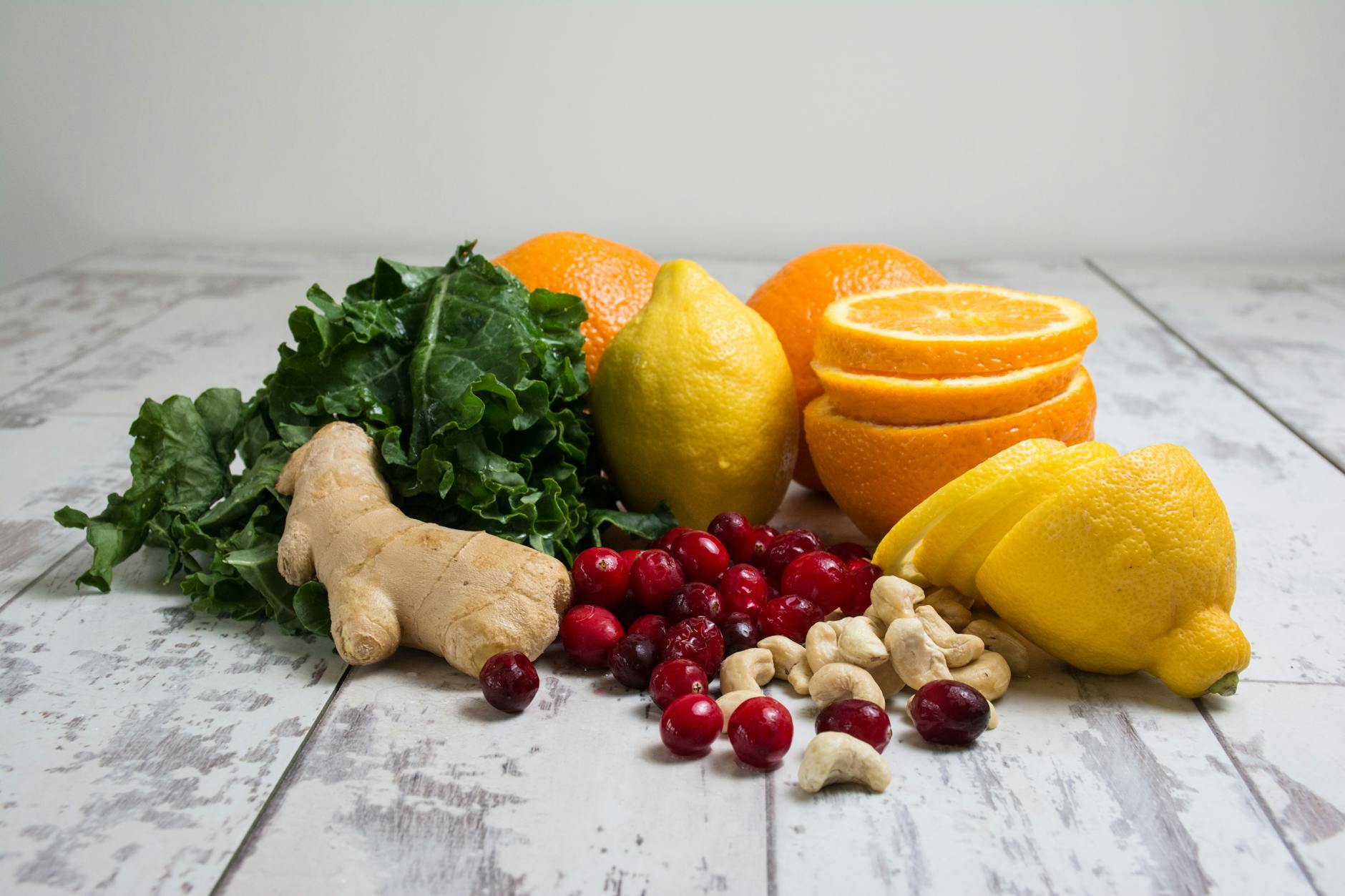
Kale has been a dietary staple across cultures for centuries, yet modern science is only now catching up to its impressive nutritional profile. Whether you blend it into smoothies, toss it in salads, or bake it into chips, this leafy green packs a remarkable array of vitamins, minerals, and protective plant compounds. Here’s a closer look at the kale benefits that research actually supports.
1. Packed With Essential Vitamins and Minerals
One of the most well-documented kale benefits is its extraordinary nutrient density. A single cup of raw kale delivers well over 100% of the daily value for vitamins A, C, and K. It also provides meaningful amounts of manganese, calcium, potassium, and B vitamins. According to research published on PubMed, kale is rich in vitamins, minerals, fiber, and phytochemicals that collectively support multiple body systems. Few other vegetables offer this much nutrition for so few calories. Adding just one or two servings per week can help fill common nutrient gaps in your diet.
2. May Support Heart Health
Heart disease remains the leading cause of death worldwide, so any dietary edge matters. Research suggests kale may help protect your cardiovascular system in several ways. Its fiber content may help lower LDL cholesterol by binding to bile acids in the digestive tract. Clinical studies have also shown improvements in blood pressure and lipid profiles among people who consume kale regularly. Steaming kale appears to enhance its cholesterol-lowering potential, so try lightly cooking it as a simple side dish.
3. Rich in Powerful Antioxidants
Kale contains a wide spectrum of antioxidants, including quercetin, kaempferol, and beta-carotene. These compounds help neutralize free radicals, which are unstable molecules that contribute to aging and chronic disease. Studies indicate that the antioxidant activity in kale may be among the highest of any common vegetable. Eating kale alongside a healthy fat source like olive oil can improve absorption of its fat-soluble antioxidants. Consider drizzling a little extra-virgin olive oil over your next kale salad for maximum benefit.
4. Could Help Manage Blood Sugar
Maintaining stable blood sugar is critical for long-term health, especially for those with type 2 diabetes. A notable clinical trial found that daily intake of freeze-dried kale significantly reduced HbA1c levels, insulin resistance, body weight, and calorie intake in type 2 diabetes patients over 12 weeks. The fiber and low glycemic load of kale may contribute to these effects. While kale alone cannot replace diabetes medication, incorporating it regularly could be a smart addition to a blood-sugar-friendly eating plan. Talk to your doctor about how dietary changes might complement your treatment.
5. Supports Gut Health
Your gut microbiome influences everything from immunity to mood, and kale may help keep it balanced. Animal research has shown that kale supplementation can prevent gut dysbiosis and strengthen the intestinal barrier. One study demonstrated that kale enhanced tight junction proteins and reduced inflammation in models of colitis. The prebiotic fiber in kale feeds beneficial bacteria, promoting a healthier digestive environment. Starting with small amounts and gradually increasing your intake can help your gut adjust comfortably.
6. Promotes Strong Bones
Most people associate calcium with dairy, but kale is a surprisingly good plant-based source. One cup of cooked kale provides roughly 10% of your daily calcium needs. It also delivers generous amounts of vitamin K, a nutrient essential for calcium metabolism and bone minerite formation. Research suggests that adequate vitamin K intake is associated with a lower risk of fractures. For those who are lactose intolerant or follow a vegan diet, kale offers a practical way to support bone strength naturally.
7. May Lower Cancer Risk
Kale belongs to the cruciferous vegetable family, which includes broccoli, Brussels sprouts, and cabbage. These vegetables contain sulfur-containing compounds called glucosinolates. When you chew or chop kale, glucosinolates break down into bioactive substances like sulforaphane and indole-3-carbinol. Laboratory studies suggest these compounds may help protect cells from DNA damage and inhibit cancer cell growth. While human evidence is still emerging, regularly eating cruciferous vegetables is widely recommended by nutrition researchers as part of a cancer-risk-reduction strategy.
8. Supports Eye Health
Kale is one of the richest food sources of lutein and zeaxanthin, two carotenoids that accumulate in the retina. These pigments act like natural sunglasses, filtering harmful blue light and protecting delicate eye tissues. Studies indicate that higher dietary intake of lutein and zeaxanthin is associated with a reduced risk of age-related macular degeneration and cataracts. Unlike supplements, getting these nutrients from whole foods comes with additional synergistic compounds. A handful of kale in your morning smoothie is an easy, practical way to support your vision over time.
9. Aids in Weight Management
Kale is extremely low in calories yet high in water and fiber, a combination that promotes satiety. Feeling full on fewer calories can naturally help you eat less throughout the day. Clinical evidence shows that participants consuming kale daily experienced reductions in body weight and overall calorie intake without feeling deprived. The crunch and volume of raw kale also slows your eating pace, giving hunger hormones time to signal fullness. Swapping calorie-dense side dishes for a simple kale salad is a practical first step toward managing your weight.
10. Has Anti-Inflammatory Properties
Chronic low-grade inflammation is linked to heart disease, diabetes, and many other conditions. Kale contains several compounds that research suggests may help calm inflammatory pathways. Omega-3 fatty acids, flavonoids, and vitamin C all contribute to its anti-inflammatory profile. Animal studies have shown that kale supplementation significantly reduced markers of inflammation in gut tissue. While more human trials are needed, the overall evidence points to kale as a valuable anti-inflammatory food. Try incorporating it into soups and stews where gentle cooking preserves most of its beneficial compounds.
From heart health and blood sugar management to stronger bones and a healthier gut, the science-backed kale benefits are hard to ignore. You don’t need to eat massive quantities to see a difference — even a few servings per week can contribute meaningfully to your overall nutrition. Pick one new way to enjoy kale this week, whether it’s blended into a smoothie, massaged into a salad, or stirred into your favorite soup.
Medical Disclaimer: This article is for informational purposes only and does not constitute medical advice. Always consult a qualified healthcare professional before making health decisions.




