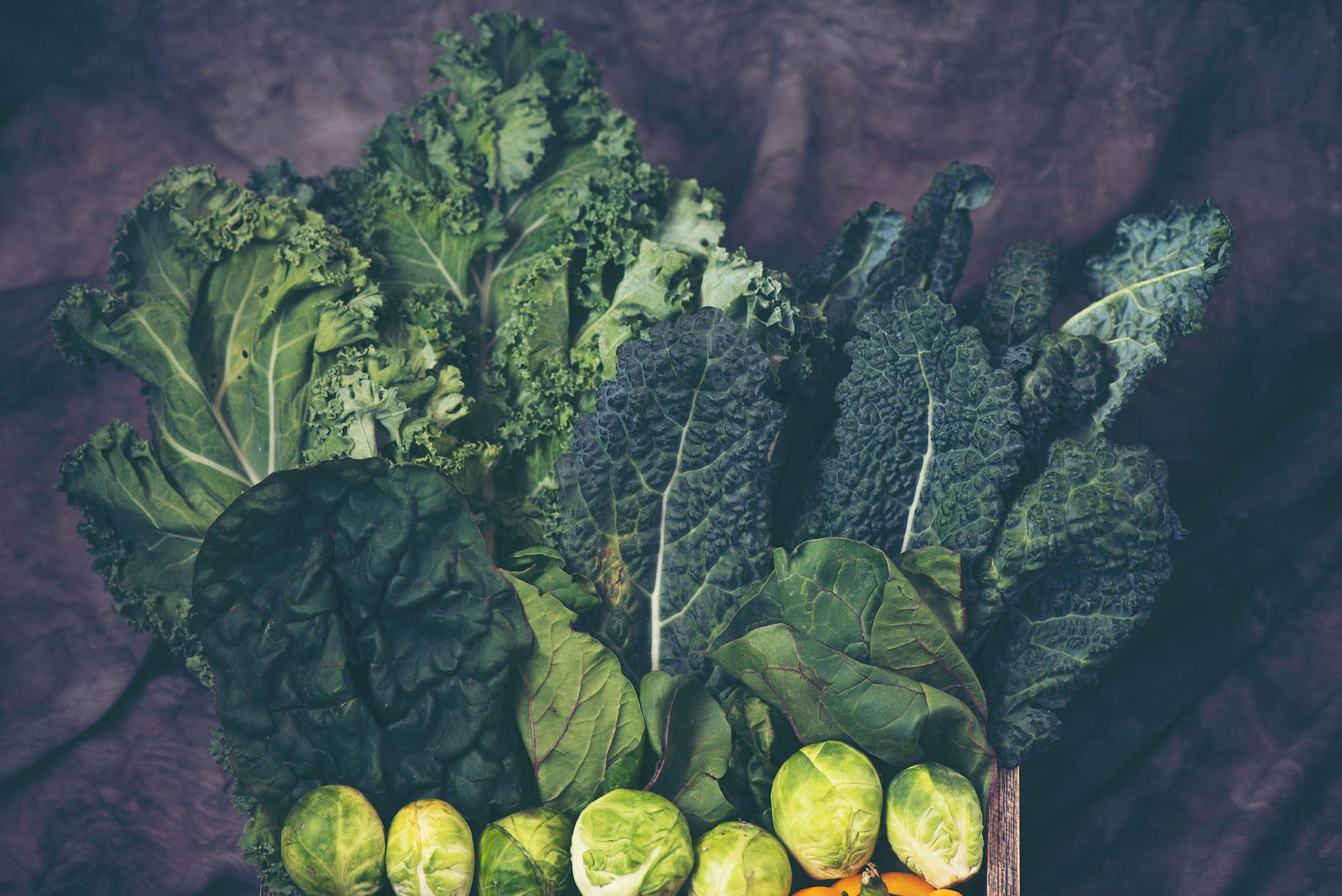
Kale has earned its reputation as one of the most nutrient-dense foods on the planet. Whether you blend it into smoothies, toss it into salads, or bake it into crispy chips, this cruciferous vegetable delivers an impressive range of vitamins, minerals, and protective plant compounds. Here’s what the research actually says about adding more kale to your diet.
1. Packed With Essential Vitamins and Minerals
A single cup of raw kale delivers well over 100% of your daily needs for vitamins A, C, and K. It also provides meaningful amounts of manganese, calcium, copper, and potassium. According to a comprehensive review published on PubMed, kale’s richness in vitamins, minerals, and bioactive compounds makes it one of the most nutritionally complete vegetables available. This dense nutrient profile means you get a lot of health value for very few calories. Adding even a handful to your meals can help fill common nutritional gaps in your diet.
2. Supports Heart Health
Heart disease remains the leading cause of death worldwide, and diet plays a major role in prevention. Research suggests that kale may help protect your cardiovascular system through multiple pathways. Its fiber content helps manage cholesterol, while potassium supports healthy blood pressure. The antioxidants in kale, particularly quercetin and kaempferol, have been linked to reduced inflammation in blood vessels. Consider steaming kale lightly to preserve its heart-friendly compounds and improve nutrient absorption.
3. May Help Normalize Blood Pressure
High blood pressure often develops silently over years, increasing the risk of stroke and heart attack. Clinical evidence shows that kale consumption may help bring blood pressure levels back toward a healthy range. A clinical study published in NIH/PMC found that eating kale helped normalize blood pressure, glucose, and lipid levels in subjects with metabolic syndrome. The combination of potassium, magnesium, and nitrate compounds in kale likely contributes to this effect. Pairing kale with other potassium-rich foods may amplify these benefits over time.
4. Promotes Healthy Blood Sugar Balance
Keeping blood sugar levels steady matters for everyone, not just people with diabetes. Kale is low in calories and carbohydrates but high in fiber, which slows the absorption of sugar into the bloodstream. The same clinical research referenced above found that kale consumption reduced postprandial glucose spikes in healthy individuals. This means eating kale alongside a meal could help prevent the energy crashes that follow blood sugar surges. Try adding raw kale to a grain bowl or wrap for a fiber boost at lunch.
5. Powerful Antioxidant Protection
Oxidative stress contributes to aging, chronic disease, and cellular damage over time. Kale is loaded with antioxidants, including beta-carotene, vitamin C, flavonoids, and polyphenols. These compounds work together to neutralize harmful free radicals throughout the body. Studies indicate that the diverse antioxidant profile in kale may be more effective than isolated supplements. Eating kale regularly provides your cells with a broad spectrum of protective compounds that work synergistically to guard against oxidative damage.
6. Strengthens Gut Health and Barrier Function
Your gut lining acts as a gatekeeper, deciding what enters your bloodstream and what stays out. When this barrier weakens, inflammation and digestive issues can follow. An in vivo study published in NIH/PMC demonstrated that kale consumption improved gut barrier integrity by enhancing tight junction proteins. The study also showed that kale helped prevent inflammation and promoted the growth of beneficial gut bacteria. Eating kale consistently could support a healthier, more resilient digestive system.
7. Boosts Beneficial Gut Bacteria
The trillions of microbes in your gut influence everything from immunity to mood. Feeding them the right foods matters enormously. Research published in NIH/PMC demonstrates that kale acts as a functional food that modulates microbiota diversity and enhances bacterial metabolic functions related to carbohydrate and xenobiotic metabolism. In simpler terms, kale helps good bacteria thrive and do their jobs better. The fiber and polyphenols in kale serve as fuel for these beneficial microbes, making it a smart addition to any gut-friendly eating plan.
8. Supports Strong Bones
Bone health isn’t just about calcium — you also need vitamin K, magnesium, and phosphorus. Kale delivers all of these in a single serving. Vitamin K is especially important because it activates proteins that help bind calcium to bone tissue. One cup of kale provides several times the recommended daily intake of vitamin K1. For people who avoid dairy or are concerned about osteoporosis risk, kale offers a plant-based way to support bone density. Pair it with a source of healthy fat like olive oil to enhance vitamin K absorption.
9. May Help Reduce Cancer Risk
Cruciferous vegetables like kale contain unique sulfur compounds called glucosinolates. When you chew and digest kale, these compounds break down into isothiocyanates and indoles. Research suggests these metabolites may help protect cells from DNA damage and inhibit tumor growth. The comprehensive review on PubMed noted evidence linking kale consumption to reduced risk of hormone-related cancers specifically. While no single food can prevent cancer, including kale as part of a varied, plant-rich diet may contribute to long-term cellular protection.
10. Fights Chronic Inflammation
Low-grade chronic inflammation is a driver behind many modern diseases, from arthritis to Alzheimer’s. Kale contains omega-3 fatty acids, vitamin C, and a range of anti-inflammatory flavonoids that work to calm this process. The kaempferol and quercetin found abundantly in kale have been specifically studied for their ability to suppress inflammatory pathways in the body. Eating kale raw in salads preserves these delicate compounds most effectively. Even two to three servings per week may help keep chronic inflammation in check over time.
Kale delivers an extraordinary range of nutrients and protective compounds that research continues to validate. From supporting your heart and blood sugar to strengthening your gut and bones, this leafy green earns its superfood status. Start small by adding a cup of chopped kale to your next smoothie, soup, or salad and build from there.
Medical Disclaimer: This article is for informational purposes only and does not constitute medical advice. Always consult a qualified healthcare professional before making health decisions.




