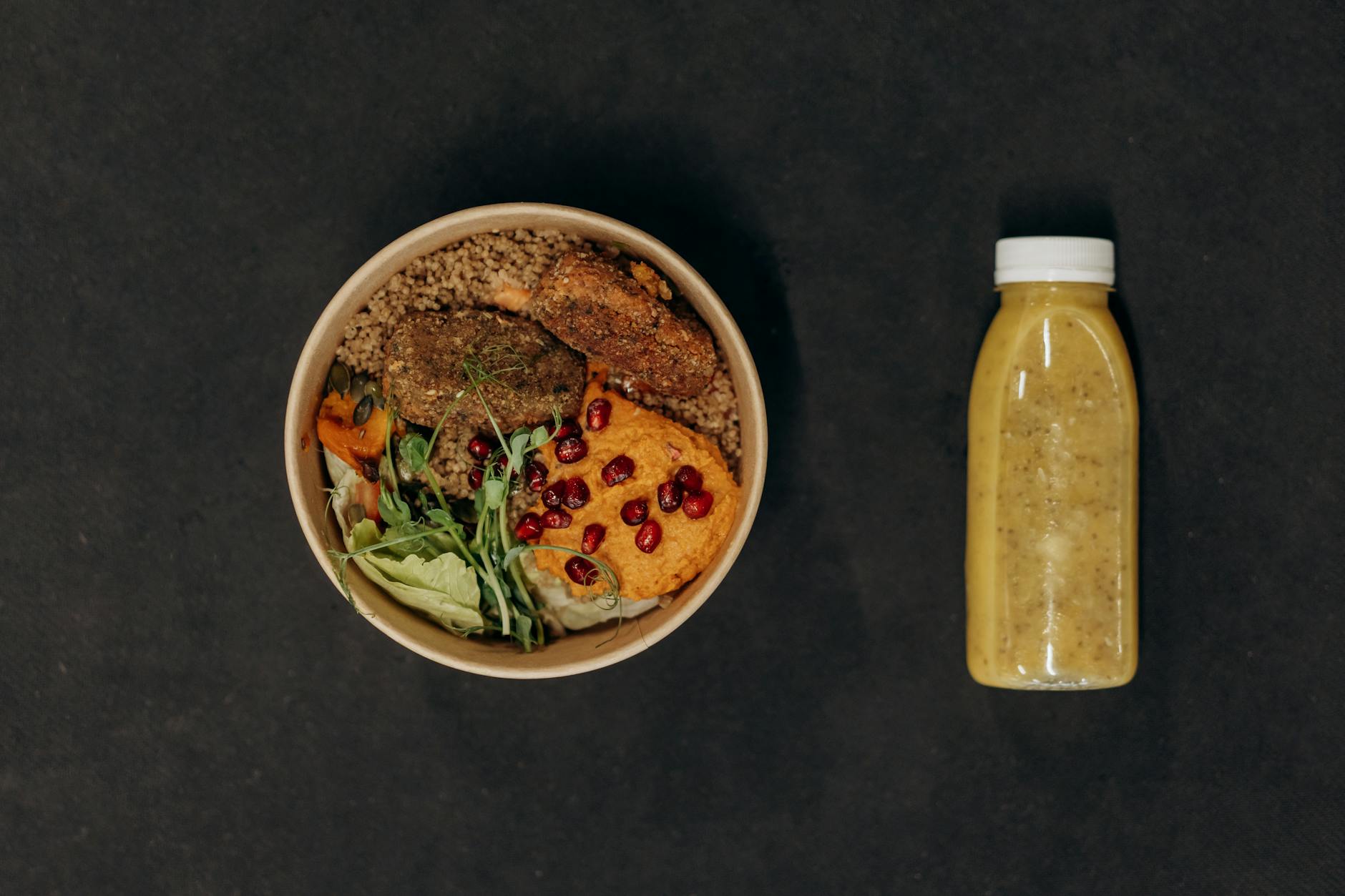
Quinoa has gone from a little-known Andean staple to one of the most popular health foods on the planet. Often called a superfood, this naturally gluten-free seed packs a nutritional punch that few grains can match. Here is a closer look at what the research actually says about its benefits.
1. Complete Plant-Based Protein
Unlike most plant foods, quinoa contains all nine essential amino acids. That makes it a complete protein, which is rare in the grain world. A single cooked cup delivers roughly eight grams of protein, supporting muscle repair and satiety. For vegetarians and vegans especially, this is a convenient way to meet daily protein needs without relying on animal sources. Research suggests that quinoa’s high-quality protein profile also contributes to improved metabolic markers in animal studies, including healthier weight management. Try swapping white rice for quinoa in your next stir-fry to boost your protein intake effortlessly.
2. May Help Lower Cholesterol Levels
Heart disease remains a leading cause of death worldwide, so cholesterol management matters. Clinical evidence shows that quinoa consumption may reduce total cholesterol, LDL cholesterol, and triglycerides. One review of human clinical trials found meaningful improvements in lipid profiles among people with dyslipidemia and obesity. The fiber, saponins, and healthy fats in quinoa likely work together to produce these effects. Adding a few servings per week could be a simple dietary strategy for supporting cardiovascular health.
3. Supports Healthy Blood Sugar Regulation
Keeping blood sugar steady is essential for sustained energy and long-term health. Studies indicate that daily quinoa consumption may significantly lower blood glucose levels, even in otherwise healthy adults. A study on healthy subjects found that regular intake reduced fasting glucose, likely due to its dietary fiber and antioxidant phytochemicals. Quinoa also has a relatively low glycemic index compared to refined grains. Pairing it with vegetables and lean protein creates a balanced meal that helps prevent blood sugar spikes.
4. Rich in Gut-Friendly Fiber
Your gut microbiome thrives on fiber, and quinoa delivers a generous amount. One cooked cup provides about five grams of dietary fiber, supporting regular digestion. Research suggests that quinoa polysaccharides may improve gut microbiota composition, reduce inflammation, and strengthen intestinal barrier integrity. A healthy gut lining helps keep harmful substances out of the bloodstream. If you struggle with digestive regularity, gradually increasing quinoa in your diet is a gentle way to boost fiber intake without discomfort.
5. Packed With Antioxidants
Oxidative stress contributes to aging, chronic disease, and cellular damage over time. Quinoa is loaded with antioxidant compounds, including quercetin, kaempferol, and various polyphenols. These molecules help neutralize free radicals before they cause harm. Clinical studies have observed reduced oxidative stress markers in people who eat quinoa regularly. The darker varieties, such as red and black quinoa, tend to have even higher antioxidant concentrations. Mixing different colors in your meals is a tasty way to maximize these protective compounds.
6. Naturally Gluten-Free
For the millions of people living with celiac disease or gluten sensitivity, finding safe whole grains can be challenging. Quinoa is naturally gluten-free, making it an excellent alternative to wheat, barley, and rye. Research suggests it may even support intestinal healing in people managing celiac disease. Its versatility means you can use it in everything from breakfast porridge to salads and baked goods. Just check labels on packaged quinoa products, since cross-contamination during processing is possible.
7. Loaded With Essential Minerals
Quinoa is a surprisingly rich source of minerals that many people fall short on. It provides meaningful amounts of magnesium, iron, zinc, manganese, and phosphorus. Magnesium alone plays a role in over 300 enzymatic reactions in the body, from energy production to nerve function. Iron is crucial for oxygen transport, especially for women of reproductive age. Eating quinoa with a squeeze of lemon can enhance iron absorption, since vitamin C helps your body take in plant-based iron more efficiently.
8. May Support Weight Management
Maintaining a healthy weight involves more than counting calories. Quinoa’s combination of protein, fiber, and complex carbohydrates promotes fullness and reduces the urge to snack. Animal research has linked quinoa consumption to decreased weight gain, attributed in part to its unique saponin content and the compound 20-hydroxyecdysone. These findings are promising, though more human studies are needed. Replacing refined carbohydrates with quinoa at meals is a practical step toward feeling satisfied on fewer overall calories.
9. Anti-Inflammatory Properties
Chronic low-grade inflammation is linked to conditions ranging from heart disease to type 2 diabetes. Quinoa contains bioactive compounds that research suggests may help reduce inflammatory markers in the body. Its polysaccharides and polyphenols appear to work synergistically to calm the inflammatory response. This is especially relevant for people managing autoimmune conditions or metabolic disorders. While no single food eliminates inflammation, incorporating quinoa into an overall anti-inflammatory eating pattern may offer meaningful support over time.
10. Incredibly Versatile and Easy to Prepare
A food can only benefit your health if you actually eat it consistently. Quinoa cooks in about fifteen minutes and works in sweet or savory dishes alike. Use it as a base for grain bowls, stir it into soups, or blend it into smoothies for added protein. It stores well in the refrigerator for several days, making meal prep simple. Its mild, slightly nutty flavor pairs well with almost any cuisine. Start with one or two quinoa meals per week and gradually increase as you discover new recipes you enjoy.
Quinoa earns its reputation as a nutritional powerhouse, offering benefits for your heart, gut, blood sugar, and overall well-being. The easiest way to start is by swapping one refined grain serving this week for a cup of cooked quinoa and building from there.
Medical Disclaimer: This article is for informational purposes only and does not constitute medical advice. Always consult a qualified healthcare professional before making health decisions.




