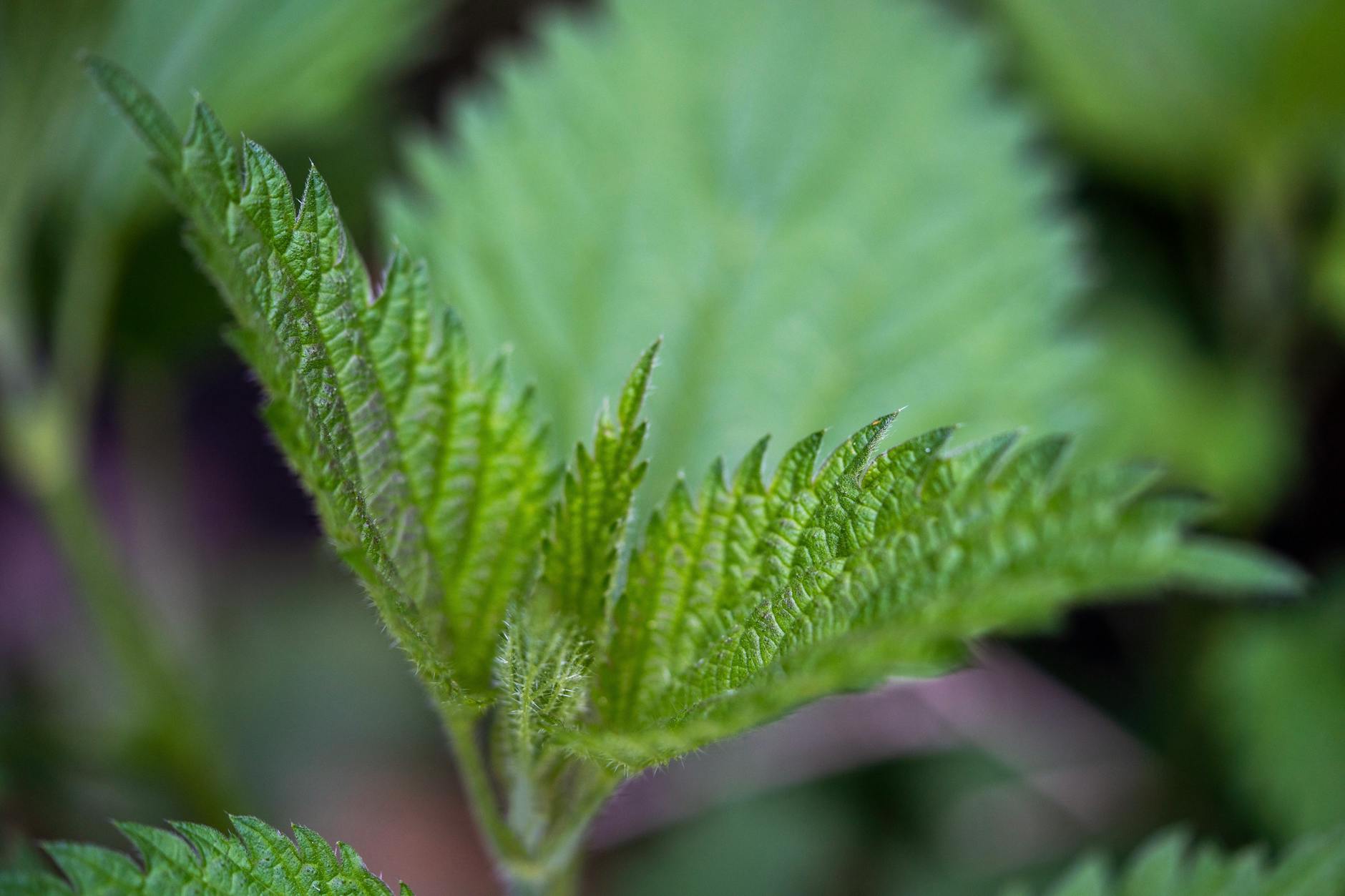
Stinging nettle, known botanically as Urtica dioica, has been a staple in herbal medicine across Europe, Asia, and North America for centuries. Despite its prickly reputation, this nutrient-dense plant may offer a wide range of health-supporting properties that modern science is beginning to validate. From easing joint discomfort to supporting urinary health, here are ten stinging nettle benefits worth knowing about.
1. May Help Reduce Inflammation
Chronic inflammation plays a role in many common health conditions, from arthritis to heart disease. Research suggests that stinging nettle contains compounds that may interfere with inflammatory pathways in the body. A study examining lipophilic extracts from stinging nettle found potent anti-inflammatory effects with minimal cytotoxicity, suggesting it could be particularly useful for inflammatory disorders like arthritis. Nettle leaf tea or standardized supplements are the most common ways people incorporate this herb into an anti-inflammatory routine. If you deal with ongoing inflammation, talk to your doctor about whether nettle could complement your current plan.
2. Supports Prostate Health in Men
Benign prostatic hyperplasia, or BPH, affects a significant number of men over age 50 and causes uncomfortable urinary symptoms. Clinical evidence shows that nettle root extract may help manage this condition. One study found that stinging nettle treatment significantly reduced clinical symptoms, IPSS scores, serum PSA, and prostate size in BPH patients compared to placebo. Nettle root is often combined with saw palmetto in prostate health supplements. Men experiencing urinary changes should consult a healthcare provider before starting any herbal regimen.
3. Rich in Essential Nutrients
Stinging nettle leaves pack a surprising nutritional punch. They contain vitamins A, C, and K, along with minerals like iron, calcium, magnesium, and potassium. The plant also provides a modest amount of protein and beneficial polyphenols. Historically, nettle was consumed as a cooked green similar to spinach, especially during lean times. Adding dried nettle to soups or steeping the leaves as tea is an easy way to boost your micronutrient intake naturally.
4. May Ease Seasonal Allergy Symptoms
Seasonal allergies affect millions of people each year, and many are searching for natural options. Some preliminary studies indicate that stinging nettle may help reduce histamine-related symptoms like sneezing, itching, and nasal congestion. The mechanism is not fully understood, but nettle appears to influence histamine receptors and inflammatory mediators. Freeze-dried nettle leaf capsules are the form most commonly studied for allergy support. Starting supplementation a few weeks before allergy season may yield the best results, though more research is needed.
5. Contains Powerful Antioxidants
Oxidative stress contributes to aging and a range of chronic diseases. Stinging nettle is loaded with antioxidant compounds, including flavonoids, carotenoids, and phenolic acids. A comprehensive review noted that nettle exhibits significant antioxidant, anti-inflammatory, and analgesic characteristics among its many pharmacological properties. These antioxidants help neutralize free radicals that damage cells over time. Incorporating antioxidant-rich herbs like nettle into your diet may support overall cellular health.
6. May Help Manage Blood Sugar Levels
Maintaining stable blood sugar is essential for long-term health. Some animal and early human studies suggest that nettle leaf extracts may help improve insulin sensitivity and support healthy glucose metabolism. The plant contains compounds that appear to mimic certain effects of insulin on blood cells. While these findings are promising, they are still preliminary. Anyone managing diabetes or prediabetes should work closely with their healthcare team before adding nettle to their routine.
7. Supports Joint Comfort and Mobility
People with osteoarthritis and rheumatoid arthritis have used nettle for generations to ease joint stiffness. Topical application of nettle leaf to sore joints is a traditional practice still used in some parts of Europe. The anti-inflammatory compounds in nettle may help reduce the production of pain-signaling chemicals in the body. Some people also take oral nettle supplements alongside conventional treatments. If joint discomfort is affecting your daily life, consider asking your doctor whether nettle could be a helpful addition.
8. May Support Healthy Blood Pressure
High blood pressure is a leading risk factor for heart disease and stroke worldwide. Early research suggests that stinging nettle may have mild hypotensive effects, meaning it could help relax blood vessels. The plant’s high potassium content may also play a role, since potassium helps balance sodium levels in the body. Nettle tea is a gentle way to explore this potential benefit. However, anyone on blood pressure medication should consult their doctor first, as herb-drug interactions are possible.
9. Promotes Urinary Tract Health
Beyond prostate support, nettle leaf has traditionally been used as a natural diuretic. It may help increase urine flow and flush bacteria from the urinary tract. Research on nettle root has highlighted its anti-inflammatory and immunomodulatory effects, which may extend to general urinary health. Some herbalists recommend nettle tea alongside adequate hydration for urinary tract maintenance. This approach works best as a supportive measure rather than a replacement for medical treatment of active infections.
10. May Improve Skin and Scalp Health
Nettle has a long history of use in topical skincare and hair care formulations. Its anti-inflammatory and antimicrobial properties may help soothe conditions like eczema, acne, and scalp irritation. Some natural shampoos include nettle extract to support a healthy scalp and reduce dandruff. The silica and sulfur content in nettle leaves may also contribute to stronger, shinier hair over time. Look for topical products containing nettle extract, or try rinsing your hair with cooled nettle tea as a simple at-home treatment.
Stinging nettle is far more than a pesky weed — it is a nutrient-rich plant with a growing body of research supporting its potential health benefits. Whether you are interested in reducing inflammation, supporting prostate health, or simply adding more nutrients to your diet, nettle offers versatile options worth exploring. Talk to your healthcare provider to determine the best form and dosage for your individual needs.
Medical Disclaimer: This article is for informational purposes only and does not constitute medical advice. Always consult a qualified healthcare professional before making health decisions.




