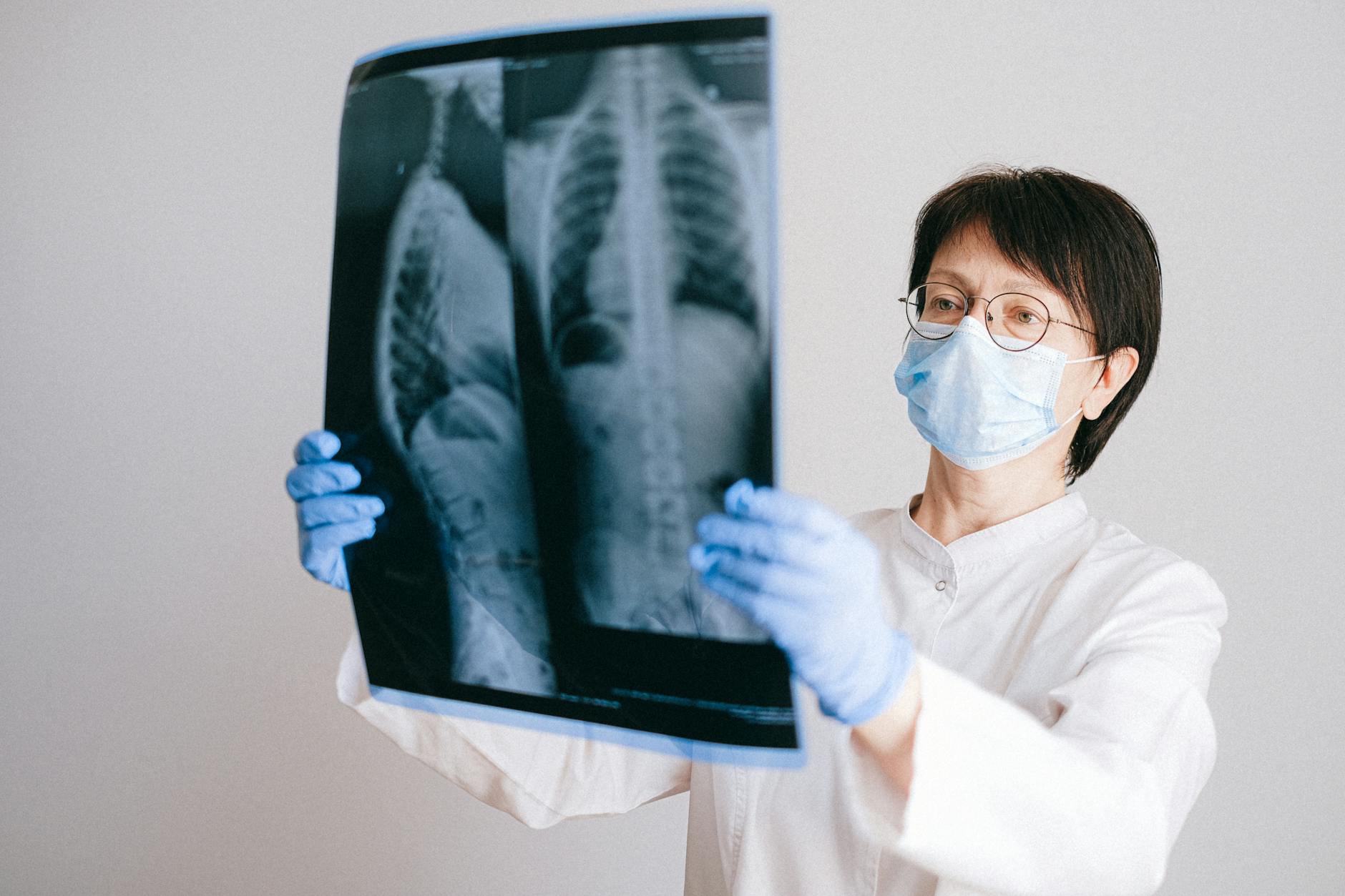
Valley fever, medically known as coccidioidomycosis, is a fungal infection caused by inhaling Coccidioides spores found in the soil of the southwestern United States, Mexico, and parts of Central and South America. Each year, an estimated 150,000 infections occur in the U.S., and many cases go undiagnosed because valley fever symptoms closely resemble a common cold or flu. Knowing what to watch for can help you seek the right care sooner rather than later.
1. Persistent Fever
Fever is one of the earliest and most frequent valley fever symptoms. It typically develops one to three weeks after breathing in fungal spores, according to NIH, which notes symptoms usually appear 7 to 21 days post-exposure. The fever can range from low-grade to moderately high and often lingers for days or even weeks. Unlike a standard cold that resolves within a few days, a valley fever-related temperature tends to hang around stubbornly. If you develop a fever that persists beyond a week, especially after spending time in endemic desert regions, it is worth bringing up with your doctor right away.
2. Chronic Cough
A dry, nagging cough is another hallmark sign of this fungal infection. Because Coccidioides spores enter through the lungs, the respiratory system bears the brunt of the initial assault. Research suggests the cough may start mild and gradually worsen over several weeks. Some people describe it as a tickle that never fully goes away. This cough can easily be mistaken for bronchitis or allergies, which is why valley fever often flies under the radar. If your cough lingers for more than ten days without improvement, consider asking your healthcare provider about fungal testing.
3. Extreme Fatigue
Feeling completely drained is a symptom that catches many valley fever patients off guard. This is not ordinary tiredness after a long day. Clinical evidence shows that the fatigue associated with coccidioidomycosis can be profound and debilitating, lasting weeks to months. PubMed describes the presentation as flu-like symptoms including fatigue stemming from inhaling Coccidioides spores. Rest alone rarely resolves it. If fatigue is interfering with your daily life and you live in or have visited the desert Southwest, mention this to your doctor as it could be a key diagnostic clue.
4. Shortness of Breath
Because valley fever primarily targets the lungs, shortness of breath is a common and sometimes alarming symptom. You might notice difficulty catching your breath during light activity like walking up stairs. In more advanced cases, even resting can feel labored. This happens because the infection causes inflammation in lung tissue, reducing its ability to exchange oxygen efficiently. Shortness of breath that develops alongside a cough and fever should never be ignored. Seek medical evaluation promptly, especially if breathing becomes progressively harder over a span of days.
5. Chest Pain
Chest discomfort is a valley fever symptom that understandably causes worry. The pain often feels dull or achy and tends to worsen with deep breaths or coughing. According to Mayo Clinic, chest pain ranks among the most commonly reported symptoms alongside fever, cough, and tiredness. This discomfort results from inflammation in the lungs or surrounding tissue. While it can mimic other serious conditions like pneumonia or even cardiac issues, the pattern of chest pain paired with other valley fever symptoms can guide your doctor toward the correct diagnosis. Always err on the side of caution and get chest pain evaluated.
6. Night Sweats
Waking up drenched in sweat is an unsettling experience, and it is a well-documented valley fever symptom. Night sweats occur when the body mounts an immune response against the Coccidioides fungus. Your internal thermostat essentially goes haywire during sleep. Many patients report having to change clothes or bed sheets multiple times a night. Night sweats on their own can have many causes, but when they occur alongside a cough, fever, and fatigue, they paint a much clearer picture. Keeping a symptom diary can help your doctor connect the dots more quickly.
7. Headache
Headaches frequently accompany valley fever infections, though they are easy to dismiss as stress or dehydration. Studies indicate these headaches can range from mild and nagging to severe and persistent. In rare but serious cases, a severe headache could signal that the infection has spread beyond the lungs to the central nervous system, a condition called coccidioidal meningitis. This complication requires urgent medical attention. For most people, the headache remains part of the general flu-like presentation. However, any headache that is unusually intense or accompanied by a stiff neck and confusion warrants an immediate trip to the emergency room.
8. Joint Pain and Swelling
Joint aches are so common with valley fever that early physicians nicknamed the condition “desert rheumatism.” PubMed highlights a classic triad of fever, erythema nodosum, and arthralgia as a hallmark presentation of coccidioidomycosis. The pain typically affects the knees and ankles, though any joint can be involved. This discomfort is believed to stem from the body’s immune reaction rather than the fungus directly infecting the joints. Over-the-counter anti-inflammatory medications may offer temporary relief. Still, treating the underlying infection is the most effective path to lasting improvement, so see your healthcare provider for a proper workup.
9. Skin Rash
A distinctive rash is one of the more visible valley fever symptoms. The most characteristic form is erythema nodosum, which presents as painful, red or purplish bumps typically found on the shins. These tender nodules are actually an immune response, not a direct skin infection. Some patients also develop a more widespread, blotchy rash on the upper body. The rash usually appears a week or two after the initial respiratory symptoms begin. While it can look alarming, it often signals that the immune system is actively fighting the fungus. Documenting the rash with photos can help your dermatologist or primary care doctor with diagnosis.
10. Unexplained Weight Loss
Losing weight without trying might sound appealing, but in the context of valley fever it is a warning sign. Prolonged infection puts the body in a heightened metabolic state as it fights off the fungus. Appetite often drops at the same time because of fatigue, nausea, or general malaise. Some patients report losing five to ten pounds over just a few weeks. This unintentional weight loss tends to occur in more prolonged or severe cases of the disease. If you are shedding pounds alongside a persistent cough, fever, or any of the symptoms listed above, it is important to get a comprehensive evaluation from your doctor.
Recognizing valley fever symptoms early gives you the best chance at a swift diagnosis and effective treatment. Many of these signs overlap with common illnesses, which is exactly why awareness matters, particularly if you live in or have traveled to areas where the Coccidioides fungus thrives. If you experience a combination of these symptoms, schedule an appointment with your healthcare provider and ask specifically about valley fever testing.
Medical Disclaimer: This article is for informational purposes only and does not constitute medical advice. Always consult a qualified healthcare professional before making health decisions.




