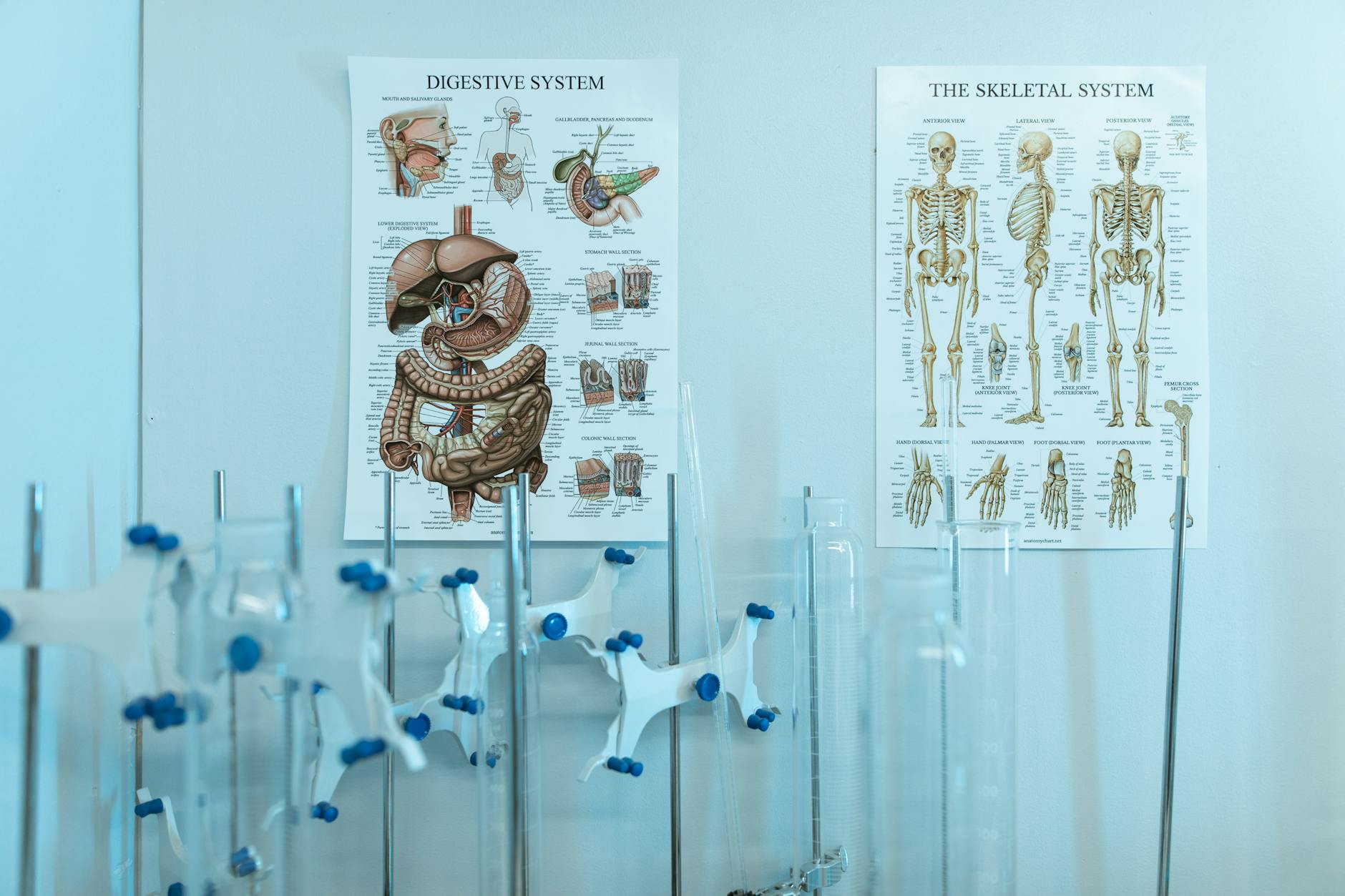
Diverticulitis — the painful inflammation of small pouches in the colon wall — affects roughly 200,000 Americans annually and becomes increasingly common after age 40. Understanding what causes diverticulitis can help you recognize your personal risk factors and take meaningful steps to protect your digestive health. The triggers range from everyday dietary habits to factors you may never have considered.
1. Low-Fiber Diet
A diet consistently low in fiber is one of the most widely recognized contributors to diverticular disease. Without enough fiber, stool becomes hard and compact, forcing the colon to work much harder to move things along. This increased pressure inside the colon may weaken the intestinal wall over time, promoting the formation of small pouches called diverticula. Research suggests that these pouches can then become inflamed when stool becomes impacted inside them, leading to bacterial overgrowth and potential perforation. Aiming for 25 to 35 grams of fiber daily from fruits, vegetables, and whole grains is a practical way to support colon health.
2. Increased Intraluminal Pressure
The colon naturally contracts to push digested food toward the rectum, but certain conditions can cause these contractions to generate excessive pressure. When intraluminal pressure — the force inside the colon — spikes repeatedly, it can push the colon lining outward through weak spots in the muscular wall. According to the NIH, this elevated pressure may also cause micro- or macroscopic perforations in existing diverticula, triggering inflammation and focal necrosis. Chronic constipation and straining during bowel movements are common contributors to this pressure buildup. Staying hydrated and eating adequate fiber can help keep colonic pressure in a healthier range.
3. Fecal Obstruction of Diverticula
Once diverticula have formed, small pieces of stool can become trapped inside them. This obstruction blocks normal drainage and creates an environment where bacteria can multiply rapidly. Clinical evidence shows that this bacterial overgrowth at the base of the diverticulum leads to inflammation and micro-perforations in the pouch wall. The result is the pain, fever, and tenderness typically associated with a diverticulitis flare. Maintaining regular bowel movements through adequate hydration and dietary fiber may help reduce the chance of fecal matter becoming lodged in these pouches.
4. Aging and Structural Changes in the Colon
Getting older naturally changes the structure and function of the colon. The muscular wall of the large intestine gradually loses elasticity and strength over the decades. This weakening makes it easier for small pouches to form, especially in the sigmoid colon where pressure tends to be highest. Studies indicate that more than half of people over age 60 have diverticula, though not all will develop diverticulitis. While you cannot stop the aging process, maintaining an active lifestyle and a fiber-rich diet may slow the progression of diverticular disease.
5. Gut Microbiota Imbalances
Your gut is home to trillions of bacteria that play a vital role in digestion and immune function. When this microbial community falls out of balance — a state called dysbiosis — it may set the stage for inflammation throughout the colon. Research from PubMed highlights that microbiota alterations are among the key interacting factors that can initiate diverticulitis. An overgrowth of harmful bacteria inside diverticula can amplify the inflammatory response. Eating probiotic-rich foods like yogurt, kefir, and fermented vegetables may help support a healthier microbial balance in the gut.
6. Obesity and Excess Body Weight
Carrying significant excess weight appears to increase the risk of developing diverticulitis. Research suggests that obesity is linked to greater inflammation throughout the body, including the gastrointestinal tract. Excess abdominal fat in particular may put additional physical pressure on the colon. Some studies also indicate that obesity raises the risk of complications like perforation and the need for surgery. Achieving and maintaining a healthy weight through balanced nutrition and regular physical activity is a worthwhile goal for long-term colon health.
7. Sedentary Lifestyle
Physical inactivity does more harm to digestion than many people realize. Regular movement helps stimulate the natural contractions of the colon, promoting healthy transit times. When you sit for extended periods without exercise, stool moves more slowly and can become harder. This sluggish transit may increase pressure inside the colon and raise the likelihood of stool becoming trapped in diverticula. Even moderate exercise like brisk walking for 30 minutes most days of the week has been associated with a lower risk of diverticular complications.
8. Smoking
Tobacco use is a well-documented risk factor for a wide range of gastrointestinal problems, and diverticulitis is no exception. Smoking appears to impair blood flow to the colon wall and may weaken its structural integrity. It also affects the gut microbiome, potentially promoting the kind of dysbiosis that fuels inflammation in diverticula. Studies indicate that current smokers face a notably higher risk of developing complicated diverticulitis compared to nonsmokers. Quitting smoking is one of the most impactful steps you can take to protect your digestive tract and overall health.
9. Certain Medications
Some commonly used medications may increase your vulnerability to diverticulitis flares. Nonsteroidal anti-inflammatory drugs like ibuprofen and naproxen can irritate the gastrointestinal lining and promote inflammation. Corticosteroids and opioid pain medications have also been linked to higher rates of diverticular complications. Opioids in particular slow colonic motility, which can worsen constipation and raise intraluminal pressure. If you take any of these medications regularly, talk to your doctor about alternative options or protective strategies for your colon.
10. Genetic Predisposition
Your family history may play a bigger role in diverticulitis risk than previously thought. Twin studies and large population analyses suggest that genetics account for a significant portion of diverticular disease susceptibility. Some people inherit connective tissue characteristics that make the colon wall more prone to forming pouches. Genetic factors may also influence how your immune system responds to bacterial overgrowth inside diverticula. While you cannot change your DNA, knowing your family history empowers you to be proactive with screening, dietary choices, and lifestyle modifications.
Understanding what causes diverticulitis reveals that this condition stems from a complex mix of dietary, lifestyle, and biological factors working together. The encouraging news is that many of these risk factors — from a low-fiber diet to physical inactivity — are within your power to change. Start by gradually increasing your fiber intake and staying active, and speak with your healthcare provider about a personalized prevention plan.
Medical Disclaimer: This article is for informational purposes only and does not constitute medical advice. Always consult a qualified healthcare professional before making health decisions.




