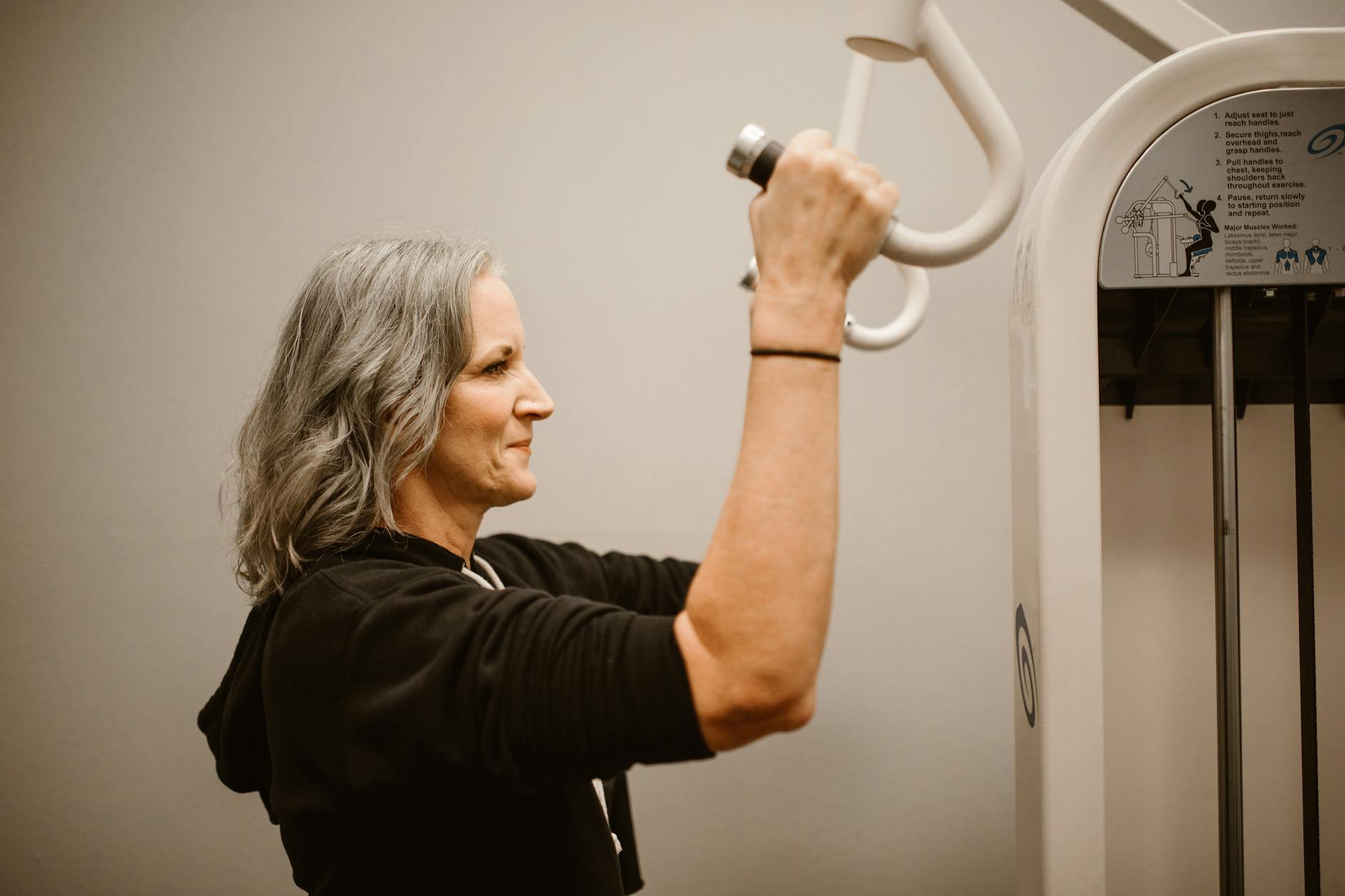
Menopause is a natural biological transition that every woman experiences, typically between the ages of 45 and 55. Recognizing the signs of menopause early can help you manage symptoms more effectively and feel more in control of what your body is going through. While every woman’s experience is unique, research points to several hallmark changes worth paying attention to.
1. Hot Flashes
Hot flashes are perhaps the most well-known sign of menopause. They cause a sudden wave of heat that spreads across your upper body, often accompanied by flushing and sweating. These episodes can last anywhere from 30 seconds to several minutes. According to the NIH (Office on Women’s Health), hot flashes result from sudden heat surges triggered by shifting estrogen levels. Some women experience them a few times a week, while others deal with them multiple times a day. Wearing breathable fabrics and keeping a cool drink nearby may help you cope when one strikes.
2. Irregular Periods
One of the earliest signs of menopause is a shift in your menstrual cycle. Your periods may become lighter, heavier, closer together, or further apart. This unpredictability happens because estrogen and progesterone levels fluctuate before production eventually winds down. As Harvard Health notes, irregular or heavy periods are a hallmark of perimenopause due to declining estrogen. Tracking your cycle with an app can help you spot patterns and give your doctor useful information. If bleeding becomes extremely heavy or occurs after a long gap, it is worth a medical check.
3. Night Sweats
Night sweats are essentially hot flashes that happen while you sleep. You might wake up drenched in sweat, even if your bedroom is cool. These episodes can seriously disrupt your rest and leave you exhausted the next day. Hormonal shifts affect the brain’s temperature regulation center, making your body overreact to small changes in temperature. Sleeping with moisture-wicking sheets and keeping a fan on your nightstand can make a noticeable difference. If night sweats are severe, talk to your doctor about possible treatments.
4. Sleep Problems
Difficulty falling asleep or staying asleep is a frustrating reality for many women approaching menopause. Low progesterone, which normally promotes relaxation, plays a significant role in these sleep disruptions. Night sweats can compound the problem, creating a cycle of poor rest. The NIH (Office on Women’s Health) highlights that declining estrogen and progesterone both contribute to sleep difficulties during this stage. Establishing a consistent bedtime routine and limiting caffeine after noon are practical steps. If insomnia persists for weeks, a healthcare provider can help explore safe solutions.
5. Mood Changes and Irritability
Feeling unusually irritable, anxious, or tearful can catch you off guard during menopause. These emotional shifts are closely tied to fluctuating estrogen levels, which influence serotonin and other mood-regulating brain chemicals. Research suggests that women with a history of depression or anxiety may be more vulnerable to these changes. Some women describe it as feeling like intense PMS that does not let up. Regular physical activity, even a daily 20-minute walk, has been shown to support mood stability. Reaching out to a therapist or counselor can also provide meaningful relief.
6. Vaginal Dryness
As estrogen levels drop, vaginal tissues can become thinner, drier, and less elastic. This can lead to discomfort during intimacy, itching, or a general feeling of irritation. According to the Mayo Clinic, vaginal dryness is one of the most common signs of menopause. Many women feel embarrassed to bring it up, but it is incredibly common and very treatable. Over-the-counter water-based lubricants can offer immediate comfort. For ongoing dryness, your doctor may recommend topical estrogen or other prescription options.
7. Brain Fog and Concentration Issues
Forgetting where you put your keys or struggling to find the right word mid-sentence can feel alarming. Many women report difficulty concentrating, memory lapses, and a general mental haziness during menopause. Researchers believe declining estrogen affects brain regions involved in memory and cognitive processing. This so-called brain fog is usually temporary and tends to improve after the body adjusts to its new hormonal baseline. Staying mentally active through puzzles, reading, or learning new skills may help keep your mind sharp. Getting enough quality sleep also plays a critical role in cognitive function.
8. Weight Gain and Slower Metabolism
Many women notice their body shape shifting during menopause, especially around the midsection. Hormonal changes can slow metabolism, making it easier to gain weight even without changing your diet. The Cleveland Clinic lists weight gain among the many signs of menopause tied to hormonal fluctuations. Muscle mass also naturally decreases with age, further reducing calorie burn. Strength training two to three times a week can help counteract this shift. Focusing on whole foods and portion awareness, rather than restrictive dieting, tends to yield the best long-term results.
9. Hair Thinning and Dry Skin
Estrogen helps maintain skin moisture and hair fullness, so declining levels can leave their mark. Some women notice their hair feels thinner or their skin becomes noticeably drier and less supple. You might also see changes in skin texture or increased sensitivity to products you once tolerated well. These shifts are gradual but can affect how you feel about your appearance. Using a gentle, hydrating skincare routine and a sulfate-free shampoo may help. Omega-3 fatty acids from foods like salmon and walnuts may also support skin and hair health from the inside out.
10. Changes in Libido
A shift in sexual desire is a common but often overlooked sign of menopause. Lower estrogen and testosterone levels can dampen arousal and reduce interest in intimacy. Physical symptoms like vaginal dryness and fatigue can also make sex less appealing. Clinical evidence shows that these changes are physiological, not a reflection of your relationship. Open communication with your partner is one of the most important steps you can take. A healthcare provider can also discuss options like hormone therapy or other treatments tailored to your needs.
Menopause is not a disease — it is a natural phase of life that deserves understanding, not stigma. If you are experiencing several of these signs, consider keeping a symptom journal and sharing it with your doctor. Taking that one simple step can open the door to personalized strategies that help you feel like yourself again.
Medical Disclaimer: This article is for informational purposes only and does not constitute medical advice. Always consult a qualified healthcare professional before making health decisions.




