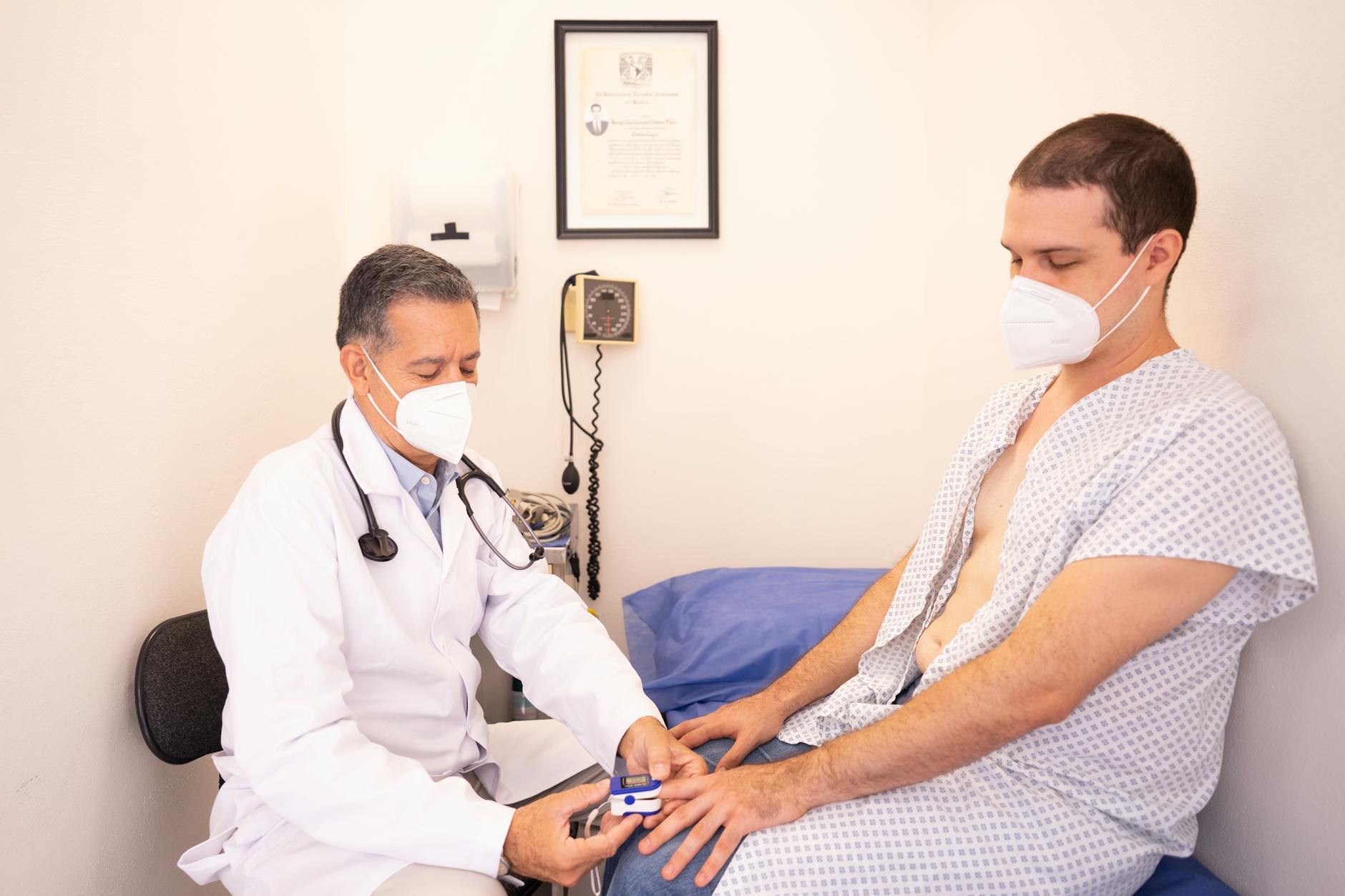
Noticing blood in poop is more common than most people realize, and it affects millions of adults each year. While it can be alarming, the causes range from minor issues like hemorrhoids to conditions that need prompt medical attention. Understanding the most likely reasons can help you have a more informed conversation with your doctor.
1. Hemorrhoids
Hemorrhoids are swollen blood vessels in or around the rectum and anus. They are the single most frequent cause of bright red blood in poop, according to clinical reviews from the NCBI/NIH. Internal hemorrhoids often bleed painlessly during bowel movements. You might notice streaks of red on toilet paper or dripping into the bowl. External hemorrhoids, on the other hand, can feel tender and itchy. Straining during bowel movements, sitting for long periods, and chronic constipation all raise your risk. Research suggests that roughly half of adults experience hemorrhoids by age fifty. Increasing fiber intake, staying hydrated, and avoiding prolonged straining are practical first steps toward relief.
2. Anal Fissures
An anal fissure is a small tear in the lining of the anus. It typically causes sharp pain during a bowel movement along with a streak of bright red blood. Hard or large stools are the usual culprits, though chronic diarrhea can also be responsible. Fissures are common in young infants and adults of all ages. Most acute fissures heal on their own within a few weeks. Warm sitz baths and stool softeners can speed recovery. If a fissure persists beyond six to eight weeks, a healthcare provider may recommend topical treatments or, rarely, a minor procedure to help it heal.
3. Inflammatory Bowel Disease
Inflammatory bowel disease, or IBD, includes Crohn’s disease and ulcerative colitis. Both conditions involve chronic inflammation of the digestive tract. Bloody diarrhea, abdominal cramping, and fatigue are hallmark symptoms. A population-based study published on PubMed found that visible rectal bleeding is linked to serious pathology, including IBD, in roughly twenty-four percent of patients evaluated. Ulcerative colitis tends to affect the colon and rectum, while Crohn’s can occur anywhere along the gastrointestinal tract. Early diagnosis and treatment can help manage flare-ups. If you experience recurring bloody stools with cramping, seeking medical evaluation is important.
4. Diverticular Disease
Diverticula are small pouches that form along the walls of the colon, most often in people over forty. When one of these pouches bleeds, it can cause a sudden, painless gush of dark red or maroon-colored blood in poop. Diverticular bleeding accounts for a significant share of lower gastrointestinal bleeding episodes in older adults. The bleeding often stops on its own, but it can be heavy enough to require hospitalization. A diet low in fiber may contribute to the formation of diverticula over time. Eating more fruits, vegetables, and whole grains may help reduce your long-term risk. Always seek emergency care if you experience large-volume bleeding.
5. Colorectal Polyps
Polyps are growths on the inner lining of the colon or rectum. Most polyps are harmless, but certain types can develop into colorectal cancer over time. They often produce no symptoms at all, though some may cause small amounts of blood in poop. Screening colonoscopies can detect and remove polyps before they become dangerous. Guidelines generally recommend starting routine screening at age forty-five. The presence of blood does not automatically mean cancer, but it does warrant investigation. If polyps are found, your doctor will discuss a follow-up schedule based on the number, size, and type removed.
6. Colorectal Cancer
Colorectal cancer is one of the more serious causes of blood in poop, and catching it early dramatically improves outcomes. Symptoms may include persistent changes in bowel habits, unexplained weight loss, and ongoing rectal bleeding. According to a comprehensive clinical guide from the NCBI/NIH, evaluating the color and volume of blood helps physicians estimate the source and severity of gastrointestinal bleeding. Dark or tarry stools can indicate bleeding higher in the digestive tract, while bright red blood usually signals a lower source. Family history, age, and lifestyle factors all influence risk. Routine screening remains the most effective way to detect colorectal cancer in its earliest, most treatable stage.
7. Gastric and Peptic Ulcers
Ulcers are open sores that develop on the lining of the stomach or the upper part of the small intestine. When an ulcer bleeds, the blood travels through the digestive tract and often appears as black, tarry stool called melena. Helicobacter pylori infection and long-term use of nonsteroidal anti-inflammatory drugs are the two leading causes. Burning stomach pain that worsens on an empty stomach is a classic symptom. Nausea, bloating, and appetite loss may also occur. Treatment typically involves antibiotics for the bacterial infection or acid-reducing medications. If you notice dark, sticky stools along with upper abdominal discomfort, prompt medical evaluation is strongly recommended.
8. Gastroenteritis and Infections
Certain bacterial, viral, and parasitic infections can inflame the intestines enough to cause bloody diarrhea. Common culprits include Salmonella, E. coli, Shigella, and Campylobacter. Contaminated food or water is the typical route of transmission. Symptoms usually appear within one to three days and may include fever, cramping, and vomiting alongside bloody stools. Most infections resolve without antibiotics, but some strains require targeted treatment. Staying hydrated is critical during an active infection. If bloody diarrhea lasts more than a couple of days or is accompanied by high fever, seeing a healthcare provider quickly helps rule out complications.
9. Angiodysplasia
Angiodysplasia refers to fragile, abnormal blood vessels in the wall of the colon. These malformations are more common in older adults and people with kidney disease. The vessels can rupture and bleed intermittently, producing bright red or maroon blood in poop. Unlike some other causes, angiodysplasia is usually painless. Episodes may come and go, making diagnosis tricky without a colonoscopy or specialized imaging. Chronic, low-level bleeding from angiodysplasia can lead to iron-deficiency anemia over time. If you feel unusually tired or short of breath alongside recurring rectal bleeding, those symptoms together deserve a thorough medical workup.
10. Medications and Dietary Factors
Not every case of blood in poop signals disease. Blood-thinning medications like warfarin and aspirin can increase the likelihood of gastrointestinal bleeding, especially if an underlying issue already exists. Iron supplements and bismuth-containing products like Pepto-Bismol can turn stools black, mimicking the appearance of melena. Beets, red gelatin, and tomato-based foods can also give stool a reddish hue that looks alarming. These are harmless color changes, not actual blood. However, distinguishing dietary effects from true bleeding on your own is unreliable. If you are unsure whether what you are seeing is blood, a simple stool test at your doctor’s office can give you a clear answer.
Blood in poop has many possible explanations, and most of them are manageable when caught early. The smartest step you can take is to schedule an appointment with your healthcare provider whenever you notice unexplained bleeding, so the cause can be identified and addressed before it progresses.
Medical Disclaimer: This article is for informational purposes only and does not constitute medical advice. Always consult a qualified healthcare professional before making health decisions.




