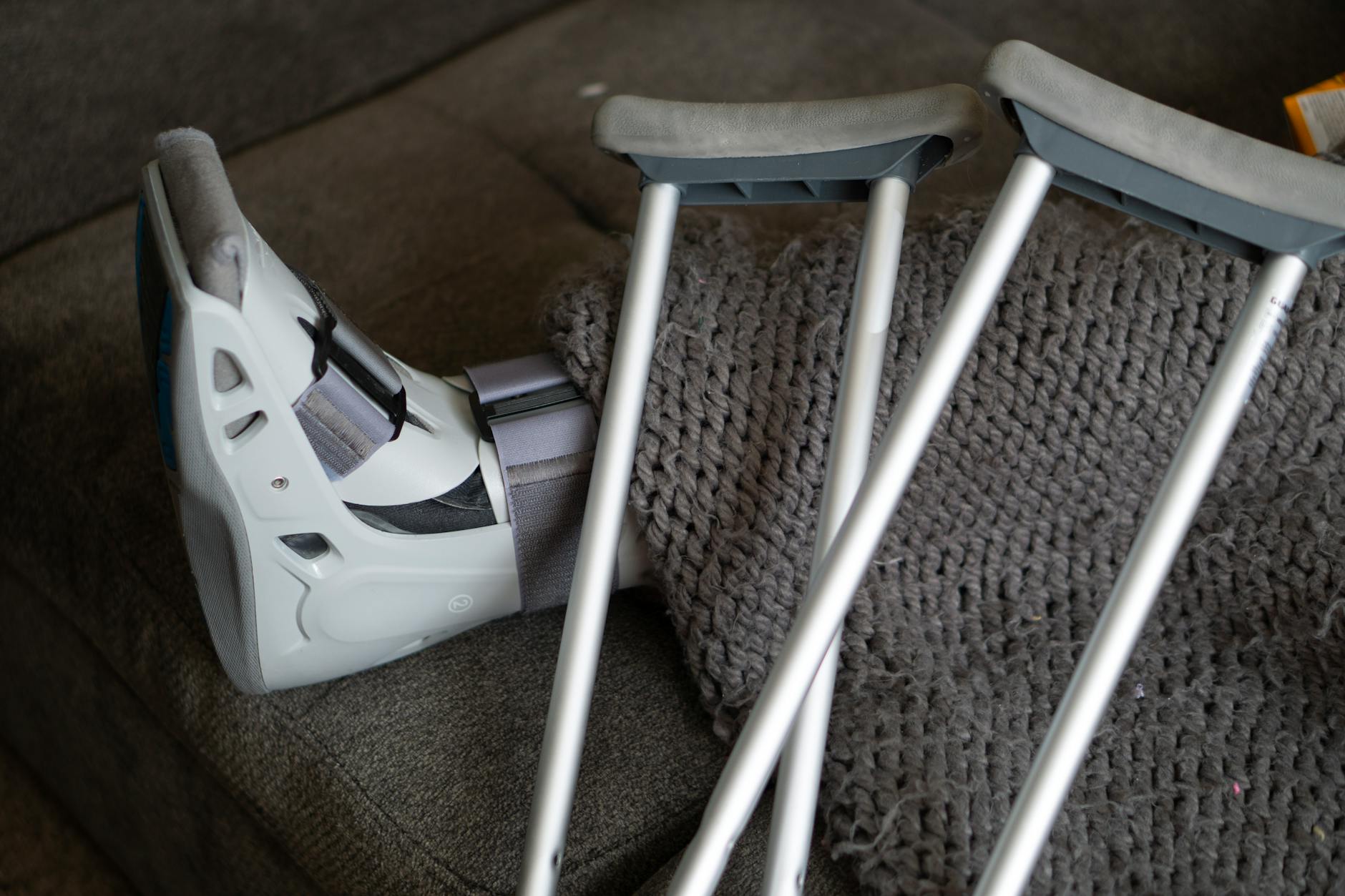
Ankle sprains are among the most common musculoskeletal injuries, affecting millions of people each year — from weekend joggers to professional athletes. Recognizing sprained ankle symptoms early can help you gauge the severity of your injury and determine whether you need professional care. Here are the ten telltale signs to watch for after you twist or roll your ankle.
1. Sudden, Sharp Pain at the Time of Injury
The very first symptom most people notice is an immediate jolt of pain when the ankle twists or rolls. This pain is caused by ligaments being stretched or torn beyond their normal range. According to PubMed, ankle sprain symptoms feature quick-onset pain due to overstretched or torn ligaments, and the severity can range from mild discomfort to excruciating sharpness. In a mild sprain, the pain may ease within minutes. In more severe sprains, it intensifies and lingers. If the pain was sharp enough to stop you mid-stride, treat the injury seriously from the start. Applying ice and elevating the ankle within the first few minutes can help manage early pain levels.
2. Rapid Swelling Around the Ankle
Swelling is one of the most recognizable sprained ankle symptoms. It typically begins within minutes of the injury and can worsen over several hours. Your body sends extra fluid to the damaged area as part of its inflammatory response. A mild sprain may produce slight puffiness around the outer ankle bone. A moderate to severe sprain can cause the entire ankle and foot to balloon noticeably. Research from PubMed notes that edema is a hallmark of acute ankle sprains across all severity grades. Keeping the ankle elevated above heart level and using compression wraps may help control swelling in the early stages.
3. Bruising and Discoloration
Bruising often appears hours or even a day after the sprain occurs. The discoloration — which can range from reddish-purple to deep blue or greenish-yellow — results from blood leaking out of damaged blood vessels beneath the skin. Clinical evidence shows that significant bruising, also called ecchymosis, tends to indicate a more serious sprain involving partial or complete ligament tears. The bruise may spread from the outer ankle down toward the sole of the foot. While bruising alone does not always mean the injury is severe, widespread discoloration warrants a closer medical evaluation to rule out fractures or high-grade sprains.
4. Tenderness When You Touch the Area
Point tenderness is a key diagnostic clue that healthcare providers look for during an exam. If pressing gently on the area around the outer ankle — especially over the anterior talofibular ligament or calcaneofibular ligament — produces sharp pain, it strongly suggests a sprain. According to PubMed, tenderness over these specific ligaments is one of the primary sprained ankle symptoms clinicians evaluate. Even light touch or the pressure of a sock may feel uncomfortable. Noting exactly where the tenderness is most intense can help your doctor determine which ligament is involved and how serious the damage may be.
5. Difficulty Bearing Weight
After a sprain, putting weight on the affected foot often feels painful or outright impossible. In a mild grade I sprain, you might limp but still walk. In a moderate grade II injury, weight-bearing becomes significantly harder. A severe grade III sprain may prevent you from standing on that foot entirely. This inability stems from both pain and structural instability in the joint. If you cannot take four steps without significant pain, the Ottawa ankle rules — a widely used clinical guideline — suggest getting an X-ray to rule out a fracture. Using crutches until you can walk comfortably helps prevent further ligament damage.
6. A Popping Sound or Sensation
Many people report hearing or feeling a distinct pop at the moment of injury. This popping sensation often corresponds with a ligament tearing, though it can also occur with less serious stretching injuries. It is not always a sign of a severe sprain, but it is worth paying attention to. A pop followed by intense pain, rapid swelling, and an inability to bear weight typically suggests a higher-grade injury. If you experienced a clear pop along with multiple other symptoms on this list, seeking prompt medical evaluation is a smart move. An accurate diagnosis early on can significantly improve recovery outcomes.
7. Stiffness and Reduced Range of Motion
In the hours and days following a sprain, your ankle may feel noticeably stiff. Swelling and inflammation restrict the joint’s normal movement, making it difficult to point your toes or rotate your foot. This limited range of motion is your body’s protective mechanism. It discourages movements that could worsen the injury. Gentle, pain-free range-of-motion exercises — like tracing the alphabet with your toes — are often recommended once acute pain subsides. Prolonged stiffness lasting more than a week or two may indicate the need for physical therapy to restore full mobility and prevent chronic issues.
8. Joint Instability or a Feeling of Giving Way
Feeling like your ankle might buckle or give out is one of the more concerning sprained ankle symptoms. It signals that the ligaments responsible for stabilizing the joint have been significantly damaged. According to PubMed, grade III sprains involve marked instability due to complete ligament rupture. Even grade II sprains can produce noticeable looseness in the joint. This instability increases your risk of re-injury and may lead to chronic ankle instability if not addressed properly. If your ankle feels wobbly or unreliable, a healthcare provider can perform specific stress tests to assess ligament integrity and recommend the right treatment plan.
9. Warmth Around the Injured Area
The skin around a sprained ankle often feels warm or hot to the touch. This warmth is a direct result of the body’s inflammatory response. Blood flow increases to the damaged area, delivering immune cells and nutrients needed for healing. While warmth is a normal part of recovery, excessive heat combined with worsening redness could signal an infection or a different underlying condition. Comparing the temperature of the injured ankle to the uninjured one can help you gauge the degree of inflammation. If the warmth persists beyond the first few days without improvement, consider having a professional take a closer look.
10. Pain That Worsens at Night
Some people find their sprained ankle symptoms flare up when they lie down to sleep. This can happen for several reasons. Without the distraction of daytime activity, your brain focuses more on pain signals. Additionally, lying flat can increase blood flow to the ankle and worsen swelling. Throbbing or aching pain at night is common with moderate to severe sprains. Elevating the ankle on a pillow while sleeping can help reduce fluid buildup and ease nighttime discomfort. If nighttime pain is severe enough to regularly disrupt your sleep, it may be a sign that the injury needs more aggressive treatment or further evaluation.
Understanding these sprained ankle symptoms helps you make informed decisions about your recovery. Most mild sprains respond well to rest, ice, compression, and elevation, but moderate to severe injuries may require professional care. If you notice significant swelling, instability, or an inability to bear weight, schedule an appointment with a healthcare provider to get a proper diagnosis and personalized treatment plan.
Medical Disclaimer: This article is for informational purposes only and does not constitute medical advice. Always consult a qualified healthcare professional before making health decisions.




