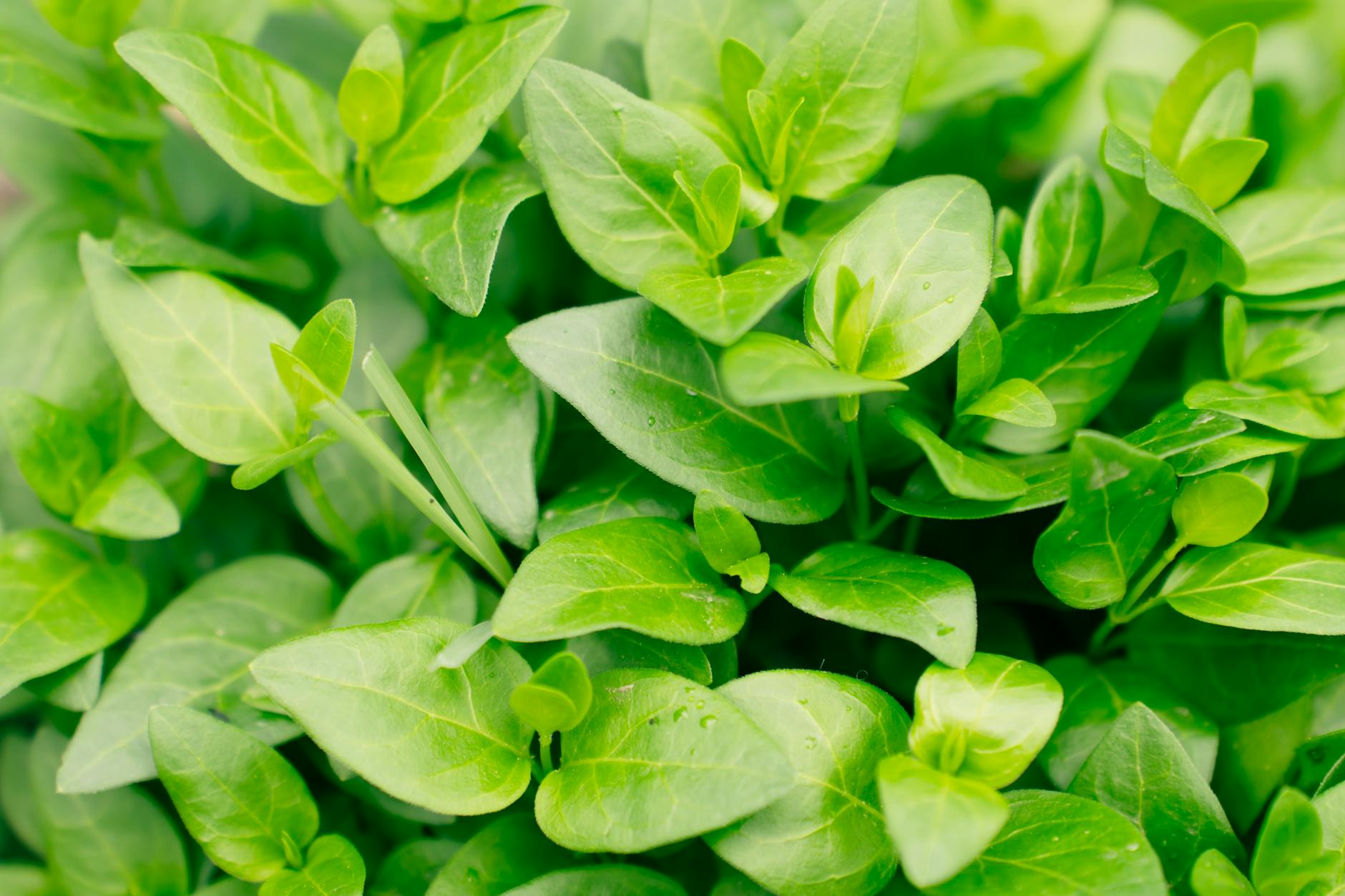
Marjoram has been a staple in Mediterranean kitchens and traditional medicine cabinets for centuries. Yet modern science is only now catching up with what herbalists have long suspected — this fragrant herb may offer a surprisingly wide range of health benefits. From hormonal support to digestive comfort, marjoram uses extend well beyond seasoning your favorite soup.
1. Supporting Hormonal Balance in PCOS
Polycystic ovary syndrome affects millions of women worldwide, and managing its hormonal imbalances can be challenging. Research suggests marjoram may play a helpful role here. A PubMed-indexed randomized, double-blind trial found that marjoram tea significantly reduced DHEA-S levels and fasting insulin in women with PCOS. The study also showed improvements in insulin sensitivity and reduced adrenal androgens. If you have PCOS, ask your healthcare provider whether marjoram tea could complement your current treatment plan.
2. Providing Antioxidant Protection
Your body constantly battles oxidative stress from pollution, processed food, and even exercise. Marjoram is rich in compounds like rosmarinic acid and flavonoids that act as natural antioxidants. A NIH/PMC review documented marjoram’s strong antioxidant activity among its many pharmacological benefits. These compounds may help neutralize free radicals that damage cells over time. Adding marjoram to meals is a simple way to boost your antioxidant intake naturally.
3. Easing Digestive Discomfort
One of the oldest marjoram uses involves calming an upset stomach. Traditional herbalists have long recommended marjoram tea for bloating, gas, and mild cramps. The herb appears to support healthy bile flow and relax smooth muscles in the digestive tract. Its gentle carminative properties make it a soothing choice after a heavy meal. Try steeping a teaspoon of dried marjoram in hot water for five to ten minutes as a simple after-dinner tea.
4. Fighting Inflammation Naturally
Chronic inflammation underlies many modern health problems, from joint pain to heart disease. Clinical evidence shows that marjoram contains anti-inflammatory compounds, including carvacrol and terpinen-4-ol. These substances may help reduce inflammatory markers in the body. Research has highlighted marjoram’s anti-inflammatory potential alongside its other pharmacological activities. Incorporating this herb into your cooking regularly may offer gentle, long-term inflammatory support.
5. Supporting Heart Health
Heart disease remains the leading cause of death globally, so every protective measure counts. Studies indicate that marjoram may offer cardioprotective benefits by helping to manage blood pressure and cholesterol levels. Its antioxidant compounds also help protect blood vessels from oxidative damage. Some traditional medicine systems have used marjoram specifically for cardiovascular support for generations. Pairing marjoram with a heart-healthy diet rich in vegetables and healthy fats is a practical approach.
6. Improving Insulin Sensitivity
Insulin resistance is a growing concern that affects far more people than just those with diabetes. Research suggests marjoram may help the body respond more efficiently to insulin. The same clinical trial studying PCOS patients found that marjoram tea significantly reduced fasting insulin levels. Better insulin sensitivity means your cells absorb glucose more effectively. While marjoram alone is not a treatment for insulin resistance, it may be a useful addition to a balanced, whole-food diet.
7. Offering Antimicrobial Properties
Before refrigeration, herbs like marjoram helped preserve food and ward off infection. Modern studies confirm that marjoram essential oil demonstrates notable antibacterial and antifungal activity. These properties come largely from compounds like thymol and carvacrol. Research has shown effectiveness against several common pathogens in laboratory settings. You can use diluted marjoram oil in natural cleaning solutions or explore its use in food preservation at home.
8. Showing Promise in Breast Cancer Research
Early-stage cancer research has revealed an intriguing potential for marjoram. According to PubMed-indexed in vitro research, marjoram extracts were able to eliminate cancerous breast cells by affecting their metabolic capacity. Remarkably, the extracts did not appear to harm normal breast tissue. This is still laboratory research, not a clinical treatment. However, these findings open the door for future studies exploring marjoram’s role in supportive cancer care.
9. Reducing Oxidative Stress in Hormonal Disorders
Oxidative stress and hormonal imbalance often go hand in hand, creating a vicious cycle. A recent study published on PubMed found that marjoram treatment significantly reduced oxidative stress while normalizing key hormonal levels in PCOS models. High-dose marjoram improved progesterone, estradiol, testosterone, and FSH levels. It also reduced body weight gain and ovarian cyst formation. These findings suggest marjoram may address multiple aspects of hormonal disorders simultaneously.
10. Promoting Relaxation and Better Sleep
Stress and poor sleep affect nearly every aspect of health, from immunity to mood. Marjoram has a long history of use as a mild sedative in aromatherapy and herbal medicine. Its calming aroma may help ease tension and quiet a restless mind before bedtime. Some people add a few drops of marjoram essential oil to a diffuser or a warm bath in the evening. While more clinical trials are needed, this remains one of the most popular and accessible marjoram uses for everyday wellness.
Marjoram is a versatile herb that deserves a place in both your spice rack and your wellness toolkit. Whether you brew it as tea, cook with it daily, or explore its essential oil, there are plenty of evidence-informed ways to benefit from this ancient plant. Talk with your healthcare provider to find out which marjoram uses might be the best fit for your personal health goals.
Medical Disclaimer: This article is for informational purposes only and does not constitute medical advice. Always consult a qualified healthcare professional before making health decisions.




