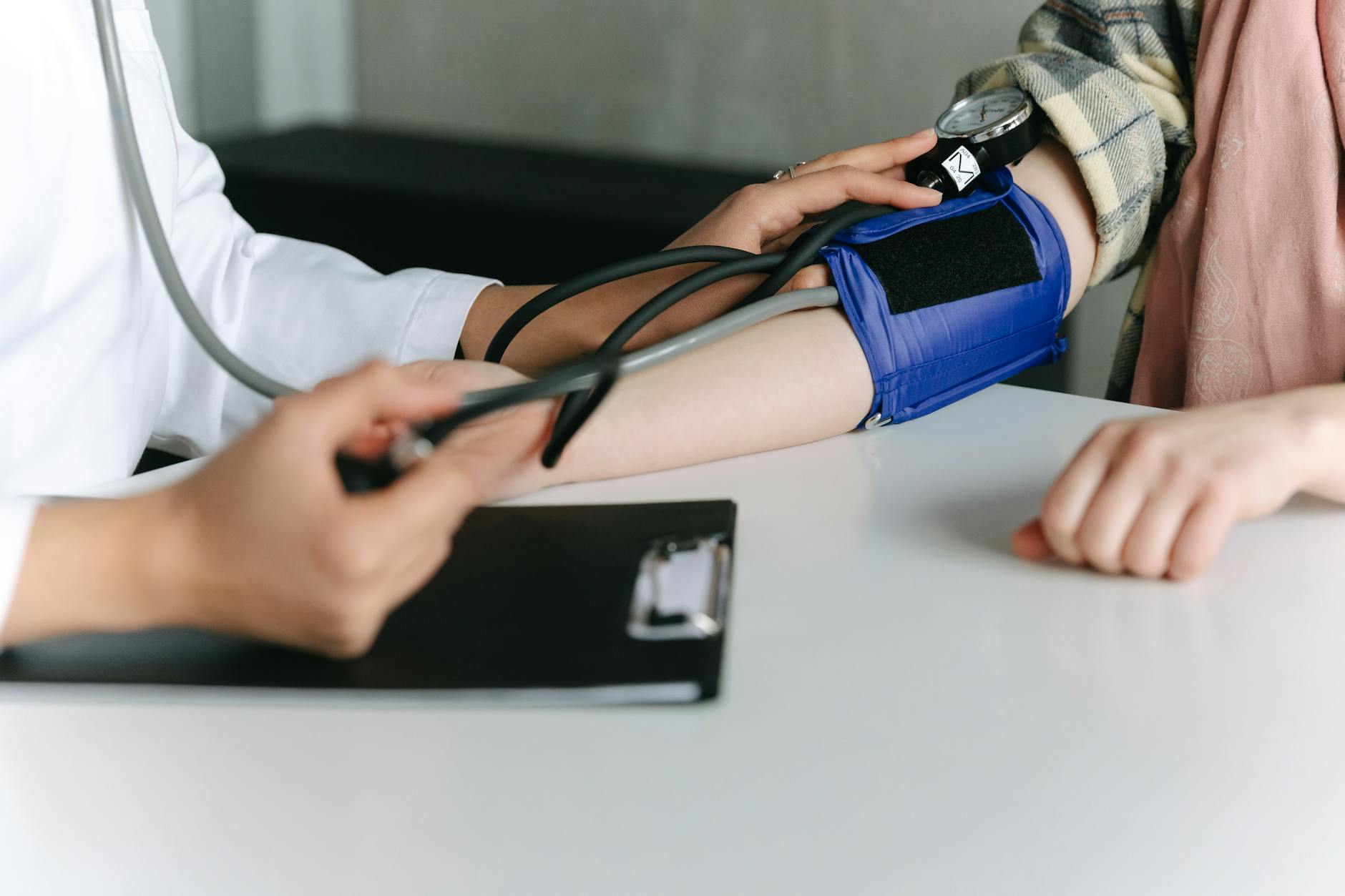
Nearly half of all adults in the United States have high blood pressure, yet many don’t realize it until a serious health event strikes. Recognizing high BP symptoms early can be the difference between a simple lifestyle change and a medical emergency. While hypertension is often called “the silent killer,” your body does send warning signals — you just need to know what to look for.
1. Persistent Headaches
One of the most frequently reported high BP symptoms is a headache that won’t quit. These aren’t your ordinary tension headaches. They often feel like a pounding pressure at the back of the head or temples and tend to be worst in the morning. Research published in NIH PMC found that headaches were among the most common patient-reported symptoms of hypertension. When blood pressure climbs dangerously high, the increased force against blood vessel walls can affect the brain. If you notice recurring headaches without an obvious cause, it’s worth checking your blood pressure at home or at a pharmacy. Don’t simply mask the pain with over-the-counter pills — address the root cause.
2. Dizziness or Lightheadedness
Feeling unsteady on your feet or like the room is spinning can point to elevated blood pressure. Dizziness happens because high BP can disrupt normal blood flow to the brain. A study examining hypertension-related symptoms found that dizziness was one of the leading complaints among patients with hypertension and hypertensive heart disease. This symptom may come and go, which makes it easy to dismiss. Some people notice it most when standing up quickly or during physical activity. If dizziness becomes a recurring pattern, schedule a conversation with your doctor rather than brushing it off as fatigue or dehydration.
3. Vision Changes
Your eyes contain tiny, delicate blood vessels that are highly sensitive to pressure changes. When blood pressure stays elevated, these vessels can become damaged, leading to blurred vision, double vision, or even temporary vision loss. Clinical evidence shows that vision problems are significantly associated with high blood pressure, as highlighted in recent research. This condition, known as hypertensive retinopathy, can progress silently. Regular eye exams can actually reveal blood pressure damage before you notice symptoms yourself. If you experience sudden visual disturbances, treat it as urgent and seek immediate medical attention.
4. Chest Pain or Tightness
Chest discomfort is one of the more alarming high BP symptoms and should always be taken seriously. Elevated blood pressure forces the heart to work harder to pump blood, which can cause a sensation of tightness, pressure, or pain in the chest. Over time, this extra workload can lead to thickened heart muscle and even heart failure. According to a NIH StatPearls clinical overview, chest pain is a hallmark presentation in hypertensive emergencies. This symptom may appear during exertion or even at rest in severe cases. Never dismiss chest pain as heartburn or anxiety without getting it properly evaluated by a healthcare professional.
5. Shortness of Breath
Struggling to catch your breath during activities that used to feel easy can signal that your blood pressure is taking a toll on your heart and lungs. When the heart can’t pump efficiently against chronically high pressure, fluid can build up in the lungs. This makes breathing feel labored even during mild exertion like climbing stairs or walking briskly. Some people first notice it while lying flat at night. Shortness of breath often overlaps with other cardiovascular conditions, so it demands a thorough medical workup. If you’re winded without a clear explanation, get your blood pressure checked sooner rather than later.
6. Heart Palpitations
That fluttering, racing, or pounding sensation in your chest can be more than just stress. Research suggests that abnormal heartbeat patterns are significantly associated with elevated blood pressure readings. Palpitations may feel like your heart is skipping beats or beating unusually fast. A correlation analysis in one study found that palpitations often appeared alongside other hypertension symptoms like dizziness and chest discomfort. While occasional palpitations are common and usually harmless, frequent or prolonged episodes deserve a closer look. Keeping a symptom diary noting when palpitations occur can help your doctor identify patterns and determine the best course of action.
7. Nosebleeds
Frequent or spontaneous nosebleeds are often linked to high blood pressure in popular belief, and there may be some truth to it. While everyday nosebleeds have many causes, severely elevated blood pressure can damage fragile nasal blood vessels. This makes them more prone to rupturing, especially in dry environments. Clinical evidence indicates that nosebleeds tend to occur more often during hypertensive crises than in people with normal readings. A single nosebleed is rarely a cause for alarm. However, if you experience repeated episodes without an obvious trigger like dry air or allergies, consider it a prompt to check your blood pressure.
8. Facial Flushing and Hot Flushes
A sudden redness or warmth spreading across your face can sometimes accompany a blood pressure spike. Patient-reported symptom surveys have identified hot flushes as a notable complaint among people with hypertension. The flushing happens when blood vessels in the face dilate in response to increased pressure or stress hormones. This symptom can be embarrassing and often gets mistaken for menopause, anxiety, or simply being overheated. It may appear during moments of emotional stress or after consuming alcohol. While facial flushing alone doesn’t confirm high blood pressure, recurring episodes paired with other symptoms on this list warrant a blood pressure screening.
9. Numbness or Tingling in the Limbs
A pins-and-needles sensation in your hands, feet, or legs might seem harmless, but it can signal circulatory problems linked to high blood pressure. Chronic hypertension damages blood vessel walls over time, reducing blood flow to the extremities. Studies examining hypertension-related symptoms have documented limb numbness as a recurring complaint among affected patients. This reduced circulation can lead to persistent tingling, coldness, or even pain in the fingers and toes. The symptom tends to develop gradually, which makes it easy to overlook. If you notice unexplained numbness that doesn’t resolve with movement or position changes, bring it up at your next medical appointment.
10. Mood Changes and Anxiety
It might surprise you to learn that high blood pressure can affect your mental state. Research has identified mood disorders, including increased irritability and anxiety, among patient-reported symptoms of hypertension. The relationship works in both directions — chronic stress and anxiety can raise blood pressure, while sustained high BP may worsen mood instability. Some people describe feeling inexplicably on edge or emotionally volatile during blood pressure spikes. Sleep disruption, another consequence of hypertension, often amplifies these mood shifts. If you notice personality changes alongside any physical symptoms mentioned here, a comprehensive health check is a smart next step.
Many of these high BP symptoms are subtle enough to dismiss on their own, but together they paint a picture that deserves attention. The simplest action you can take today is to measure your blood pressure — either with a home monitor or at your local pharmacy — and share the results with your doctor. Early detection remains one of the most powerful tools for protecting your heart and overall health.
Medical Disclaimer: This article is for informational purposes only and does not constitute medical advice. Always consult a qualified healthcare professional before making health decisions.




