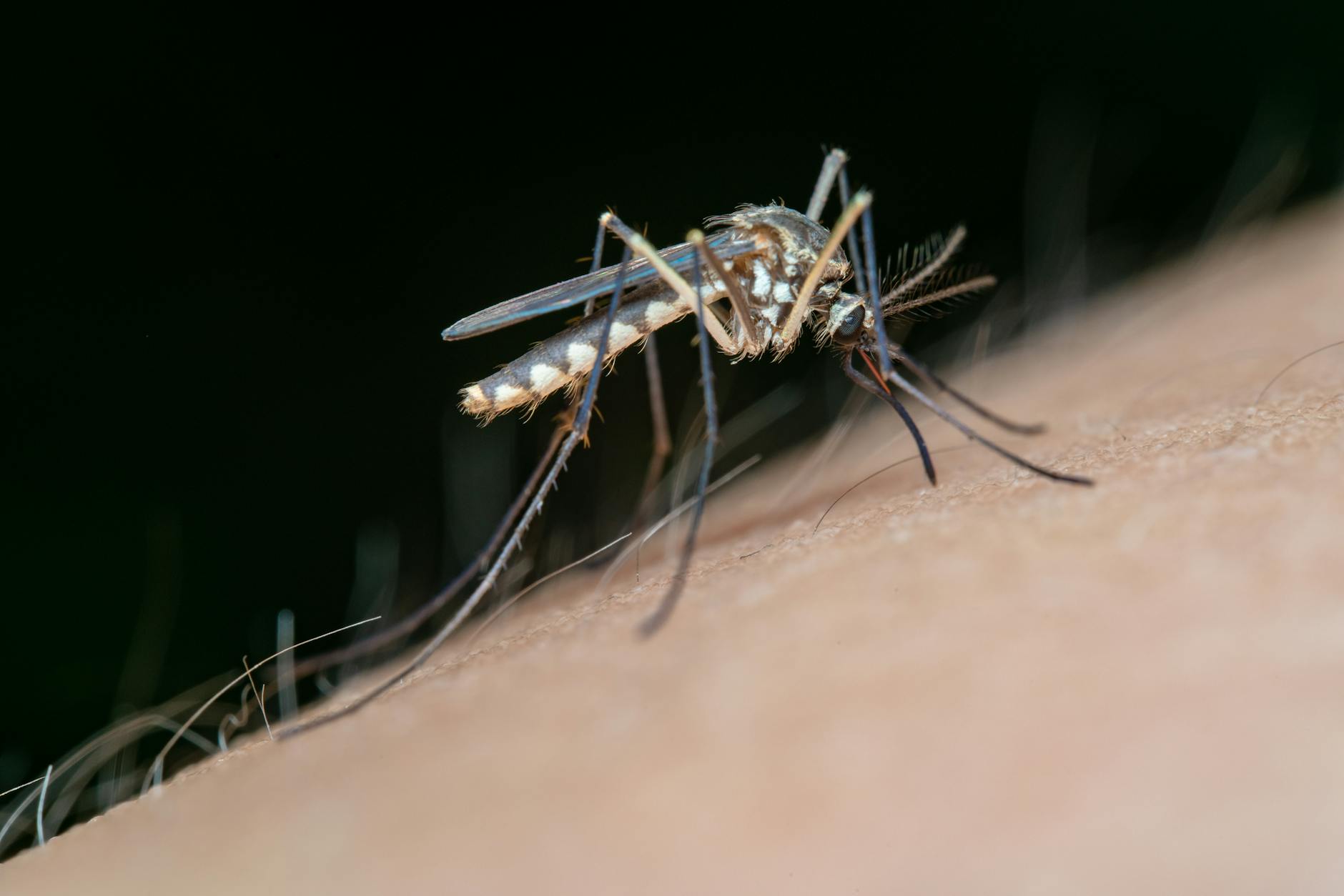
Chikungunya is a viral illness spread by infected Aedes mosquitoes, and outbreaks have been reported across the Americas, Africa, Asia, and parts of Europe. Recognizing chikungunya symptoms early can help you seek timely medical care and manage discomfort before complications develop. Most symptoms appear within a few days of a mosquito bite, so knowing what to look for is your first line of defense.
1. Sudden High Fever
A rapid spike in body temperature is usually the first warning sign that something is wrong. According to the CDC, the most common chikungunya symptoms include fever and joint pain, typically beginning three to seven days after a mosquito bite. Fevers from chikungunya often reach 102°F or higher and can last anywhere from a few days to a week. Unlike a gradual cold, this fever tends to hit suddenly and feel intense. If you develop a high fever after traveling to a region where chikungunya is active, contact your healthcare provider right away for proper evaluation.
2. Severe Joint Pain
Intense, debilitating joint pain is considered the hallmark of chikungunya. In fact, the name “chikungunya” comes from a word meaning “to become contorted,” describing how people bend over from the pain. Research suggests this pain most commonly affects the hands, wrists, ankles, and knees. It can be so severe that simple tasks like opening a jar or walking become difficult. For some people, joint pain lingers for weeks or even months after the initial infection resolves. Applying warm or cold compresses and resting affected joints may help provide temporary relief while you recover.
3. Headache
A persistent headache frequently accompanies the fever during the early stages of infection. The Cleveland Clinic notes that headache is among the core symptoms, along with fever, muscle pain, and fatigue. This headache may feel dull and widespread or concentrate behind the eyes. Staying well-hydrated and resting in a dimly lit room can help ease the discomfort. Over-the-counter pain relievers like acetaminophen may be recommended by your doctor, but avoid aspirin or ibuprofen until dengue fever has been ruled out, as these can increase bleeding risk with certain mosquito-borne infections.
4. Muscle Pain
Widespread muscle aches often develop alongside fever and joint pain during chikungunya infection. This soreness can affect the back, arms, legs, and shoulders, making the whole body feel heavy and tender. Clinical evidence shows that muscle pain from chikungunya can mimic the feeling of a severe flu, which is why the two illnesses are sometimes confused early on. The discomfort generally peaks within the first week and gradually eases. Gentle stretching and adequate rest are simple strategies that may help your muscles recover more comfortably during the acute phase of illness.
5. Joint Swelling
Beyond pain, many people with chikungunya also notice visible swelling around their joints. This inflammation can make the joints look puffy, feel warm to the touch, and become stiff. Swelling tends to mirror the same areas affected by pain, particularly the fingers, wrists, and ankles. Studies indicate that joint swelling may persist longer than other symptoms, sometimes lasting several weeks. Elevating swollen limbs and applying cool compresses may help reduce inflammation. If swelling becomes severe or doesn’t improve, it is important to follow up with a healthcare professional for further assessment.
6. Skin Rash
A maculopapular rash, which appears as flat and raised red spots, is another telltale sign of chikungunya. According to the Mayo Clinic, infected patients often present with this type of rash lasting three to ten days. It typically shows up on the trunk, limbs, and sometimes the face a few days after the fever begins. The rash is usually not itchy for everyone, but some people do experience mild irritation. Wearing loose, breathable clothing and keeping the skin cool can help minimize discomfort while the rash runs its course.
7. Fatigue and Weakness
Overwhelming fatigue is one of the most frustrating chikungunya symptoms because it can linger long after other signs improve. Your body is fighting a viral infection, so feeling drained and weak is a natural part of the immune response. Some people describe it as a bone-deep exhaustion that rest alone doesn’t fully resolve. Research suggests that fatigue from chikungunya can persist for weeks or even months in certain individuals. Prioritizing sleep, eating nutrient-rich foods, and gradually returning to normal activities rather than pushing through can support a smoother recovery.
8. Nausea
Digestive upset, particularly nausea, is a symptom that many people don’t immediately connect with a mosquito-borne illness. The Mayo Clinic lists nausea among the common chikungunya symptoms that appear within two to seven days after a bite. While vomiting is less frequent, the queasy feeling can make it difficult to eat or stay hydrated. Sipping small amounts of clear fluids throughout the day and eating bland foods like crackers or rice can help settle your stomach. Staying hydrated is especially important when fever is present, so don’t ignore this symptom.
9. Red or Bloodshot Eyes
Some people with chikungunya develop redness or irritation in one or both eyes. This symptom, sometimes described as conjunctivitis-like redness, can make the eyes appear bloodshot or watery. It typically doesn’t cause vision changes, but it can be uncomfortable and alarming. Clinical evidence shows that eye involvement is less common than fever or joint pain, yet it serves as an important diagnostic clue. Using lubricating eye drops and avoiding rubbing the eyes may offer some relief. If you notice significant eye pain or vision changes, seek medical attention promptly to rule out other causes.
10. Prolonged Joint Stiffness
One of the most distinctive features of chikungunya is that joint problems can outlast the acute infection by a significant margin. While fever and rash typically resolve within one to two weeks, studies indicate that joint stiffness and soreness may continue for months in a notable percentage of patients. This lingering stiffness is worst in the morning and tends to improve with gentle movement throughout the day. Older adults and people with pre-existing joint conditions may be more vulnerable to prolonged symptoms. Working with a healthcare provider on a tailored rehabilitation plan, including gentle exercises, can help you regain mobility over time.
Chikungunya can progress quickly from a mosquito bite to a cluster of uncomfortable symptoms that disrupt your daily life. If you develop a sudden fever with joint pain after potential mosquito exposure, especially in a region where the virus circulates, reach out to your doctor for testing and a care plan tailored to your needs.
Medical Disclaimer: This article is for informational purposes only and does not constitute medical advice. Always consult a qualified healthcare professional before making health decisions.




