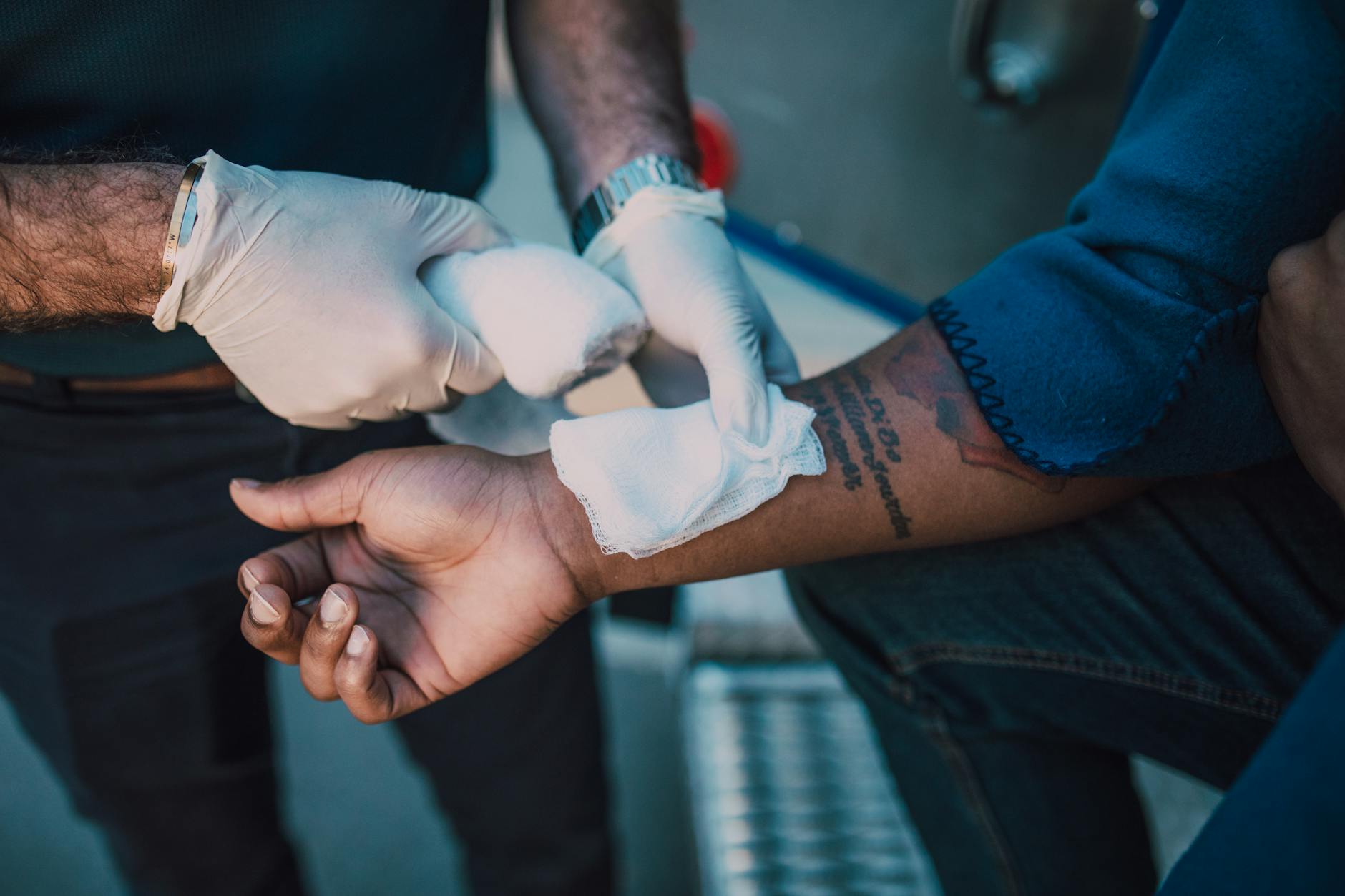
Rib fractures are among the most common chest injuries, accounting for a significant portion of trauma-related hospital visits each year. Even a single broken rib can turn simple activities like coughing, laughing, or rolling over in bed into agonizing ordeals. Understanding your broken rib treatment options can help you take control of your recovery and avoid potentially serious complications like pneumonia.
1. Rest and Activity Modification
Rest is the cornerstone of healing for most rib fractures. Unlike an arm or leg, a broken rib cannot be placed in a cast, so your body needs time and stillness to repair itself. Research suggests that most uncomplicated rib fractures heal within six weeks when you limit strenuous activity. That does not mean total bed rest, though. Gentle movement is actually encouraged to keep your lungs working properly. The key is avoiding heavy lifting, twisting motions, and contact sports during recovery. As a PubMed review notes, conservative therapy with adequate rest remains the first-line approach for simple rib fractures. Listen to your body and scale back whenever sharp pain flares up.
2. Ice Therapy
Applying ice to the injured area can provide meaningful relief in the first few days after a rib fracture. Cold therapy helps reduce swelling and numbs the surrounding tissue, which may dial down pain intensity. Wrap an ice pack in a thin towel and hold it against the sore spot for fifteen to twenty minutes at a time. Repeat this every few hours during waking hours for the first forty-eight to seventy-two hours. Avoid placing ice directly on bare skin, as this can cause frostbite. Many clinicians recommend ice therapy as a simple, low-risk complement to other pain management strategies. It costs nothing and can make those early, uncomfortable days more bearable.
3. Over-the-Counter Pain Relievers
Nonsteroidal anti-inflammatory drugs like ibuprofen and naproxen are frequently the first medications recommended for broken rib pain. They work by reducing both inflammation and pain signals, tackling two problems at once. Acetaminophen is another option if you cannot tolerate NSAIDs due to stomach sensitivity or other health conditions. Clinical evidence shows that staying ahead of the pain, rather than waiting until it becomes severe, leads to better breathing and fewer complications. Take medications on a regular schedule as directed by your doctor, especially in the first two weeks. Always follow dosing instructions carefully and let your healthcare provider know about any other medications you take.
4. Multimodal Pain Management
When over-the-counter options are not enough, doctors often layer multiple pain-control strategies together. This approach, called multimodal pain management, might combine oral medications with nerve blocks, muscle relaxants, or topical treatments. A comprehensive PubMed review highlights that multimodal analgesia ranging from NSAIDs to epidural techniques significantly improves respiratory function and reduces complication rates. The goal is to control pain well enough that you can breathe deeply and move around safely. Uncontrolled rib pain often causes shallow breathing, which raises the risk of lung infections. Talk to your doctor about building a personalized pain plan that addresses your specific level of discomfort.
5. Incentive Spirometry and Deep Breathing Exercises
An incentive spirometer is a small handheld device that encourages you to take slow, deep breaths. It may seem counterintuitive to breathe deeply when your ribs hurt, but this practice is essential for preventing pneumonia and atelectasis, a condition where parts of the lung collapse. Studies indicate that patients who use incentive spirometry consistently during rib fracture recovery experience fewer pulmonary complications. Aim for ten deep breaths every hour while you are awake, even if it is uncomfortable at first. Holding a pillow against your chest while you inhale can help splint the injured area and ease the sting. This simple tool can make a real difference in how smoothly your lungs recover.
6. Nerve Blocks and Regional Anesthesia
For moderate to severe rib fracture pain, nerve blocks offer targeted relief right where you need it. An intercostal nerve block involves injecting a local anesthetic near the nerves running along the fractured rib. Epidural analgesia is another regional technique that delivers medication near the spinal cord to numb a broader area of the chest wall. These approaches can dramatically improve a patient’s ability to breathe, cough, and participate in respiratory therapy. They are especially valuable for older adults or people with multiple fractures who face higher complication risks. Your medical team will determine whether a nerve block is appropriate based on the severity and location of your injury.
7. Sleeping Position Adjustments
Nighttime is often when broken rib pain feels most intense. Finding the right sleeping position can significantly improve your rest and overall recovery. Many healthcare providers suggest sleeping in a slightly upright or reclined position, propped up with pillows, to reduce pressure on the injured ribs. If you sleep on your side, try lying on the injured side so the uninjured ribs can expand freely during breathing. A wedge pillow or a recliner chair can be helpful during the first couple of weeks. Avoid sleeping flat on your stomach, as this compresses the chest and can worsen discomfort. Quality sleep supports healing, so investing time in finding a comfortable position pays off.
8. Avoiding Rib Belts and Tight Wrapping
Decades ago, doctors routinely wrapped broken ribs tightly with bandages or elastic belts. This practice has largely been abandoned because clinical evidence shows it restricts breathing and increases the risk of pneumonia and other lung problems. While a rib belt might feel comforting by limiting rib movement, the trade-off is dangerously shallow breathing. Instead, use a pillow to splint your chest during coughing or sneezing for temporary relief. Knowing what not to do is just as important as knowing what to do. If someone suggests wrapping your ribs at home, politely decline and follow your doctor’s current guidance instead.
9. Surgical Rib Fixation for Severe Fractures
Surgery is not needed for most broken ribs, but it becomes an important option in specific situations. Flail chest, multiple displaced fractures, nonunion, and fractures causing refractory pain may all warrant surgical stabilization. A PubMed overview notes that surgical stabilization of rib fractures performed within seventy-two hours for selected patients can improve outcomes substantially. The procedure typically involves plate fixation, where small metal plates are attached to the broken bone to hold it in place while it heals. Research suggests that surgical patients often experience shorter hospital stays, less time on ventilators, and lower rates of pneumonia compared to those managed conservatively in severe cases. Your surgeon will discuss risks and benefits based on your individual fracture pattern.
10. Follow-Up Monitoring and Complication Prevention
Recovery from a rib fracture does not end when the initial pain fades. Follow-up appointments allow your doctor to check healing progress and catch complications early. Potential issues include delayed union, infection, and the development of chronic pain at the fracture site. Older adults and people with conditions like osteoporosis deserve especially close monitoring because their fractures can take longer to heal. Watch for warning signs such as worsening shortness of breath, fever, or increasing pain, and contact your provider immediately if they appear. Staying proactive about follow-up care is one of the most practical steps you can take toward a full, uncomplicated recovery.
Healing a broken rib takes patience, but the right combination of treatments can make the process far more manageable. Start by discussing your pain level and overall health with your doctor so you can build a recovery plan tailored to your needs. Whether your path involves simple rest and breathing exercises or more advanced interventions, staying engaged in your care gives you the best chance at a smooth recovery.
Medical Disclaimer: This article is for informational purposes only and does not constitute medical advice. Always consult a qualified healthcare professional before making health decisions.




