Carbohydrates have gotten a bad reputation over the years, but they remain one of the body’s most important fuel sources. According to dietary guidelines, NIH experts recommend that healthy adults get 45–65% of their daily calories from complex carbohydrate sources like whole grains, vegetables, fruits, and legumes. The key is choosing the right kinds — healthy carbs that nourish your body instead of spiking your blood sugar and leaving you drained.
1. Oats
Oats are one of the most accessible and versatile healthy carbs available. A single cup of cooked oats delivers about 27 grams of carbohydrates along with a generous dose of soluble fiber called beta-glucan. Research suggests that beta-glucan may help lower cholesterol levels and improve blood sugar regulation after meals. Oats also provide manganese, phosphorus, and B vitamins that support energy metabolism. They digest slowly, which means you feel full longer compared to refined breakfast cereals. Whether you enjoy them as overnight oats, blended into smoothies, or baked into homemade granola, they make a smart morning choice. Try topping a bowl with berries and nuts for a balanced start to the day.
2. Sweet Potatoes
Sweet potatoes pack a nutritional punch that goes far beyond their natural sweetness. One medium sweet potato contains roughly 26 grams of complex carbohydrates and is rich in beta-carotene, which your body converts into vitamin A. NIH research notes that experts endorse consuming high-quality, high-carbohydrate whole-food sources like potatoes to improve physical performance and exercise recovery. Their fiber content supports digestive health and helps regulate blood sugar levels. Sweet potatoes also provide potassium, vitamin C, and several antioxidants. Roast them with a drizzle of olive oil and a pinch of cinnamon for a simple, satisfying side dish.
3. Quinoa
Often mistaken for a grain, quinoa is actually a seed — and a nutritional powerhouse. It provides about 39 grams of carbohydrates per cooked cup alongside all nine essential amino acids. That makes it one of the few plant foods considered a complete protein. Quinoa is also gluten-free, which makes it suitable for people with celiac disease or gluten sensitivities. It contains iron, magnesium, and B vitamins that contribute to energy production and muscle function. Its mild, nutty flavor pairs well with roasted vegetables, salads, and stir-fries. Use it as a base for grain bowls to boost both protein and fiber intake at once.
4. Black Beans
Black beans are a staple in many cuisines, and for good reason. One cup of cooked black beans offers around 41 grams of carbohydrates along with 15 grams of fiber and 15 grams of plant-based protein. That combination slows digestion and helps prevent the rapid blood sugar spikes associated with refined carbs. Studies indicate that regular legume consumption may support heart health by improving cholesterol profiles. Black beans also deliver folate, potassium, and iron. They work beautifully in soups, tacos, salads, and even homemade veggie burgers. Rinse canned black beans before using to reduce sodium content by up to 40%.
5. Brown Rice
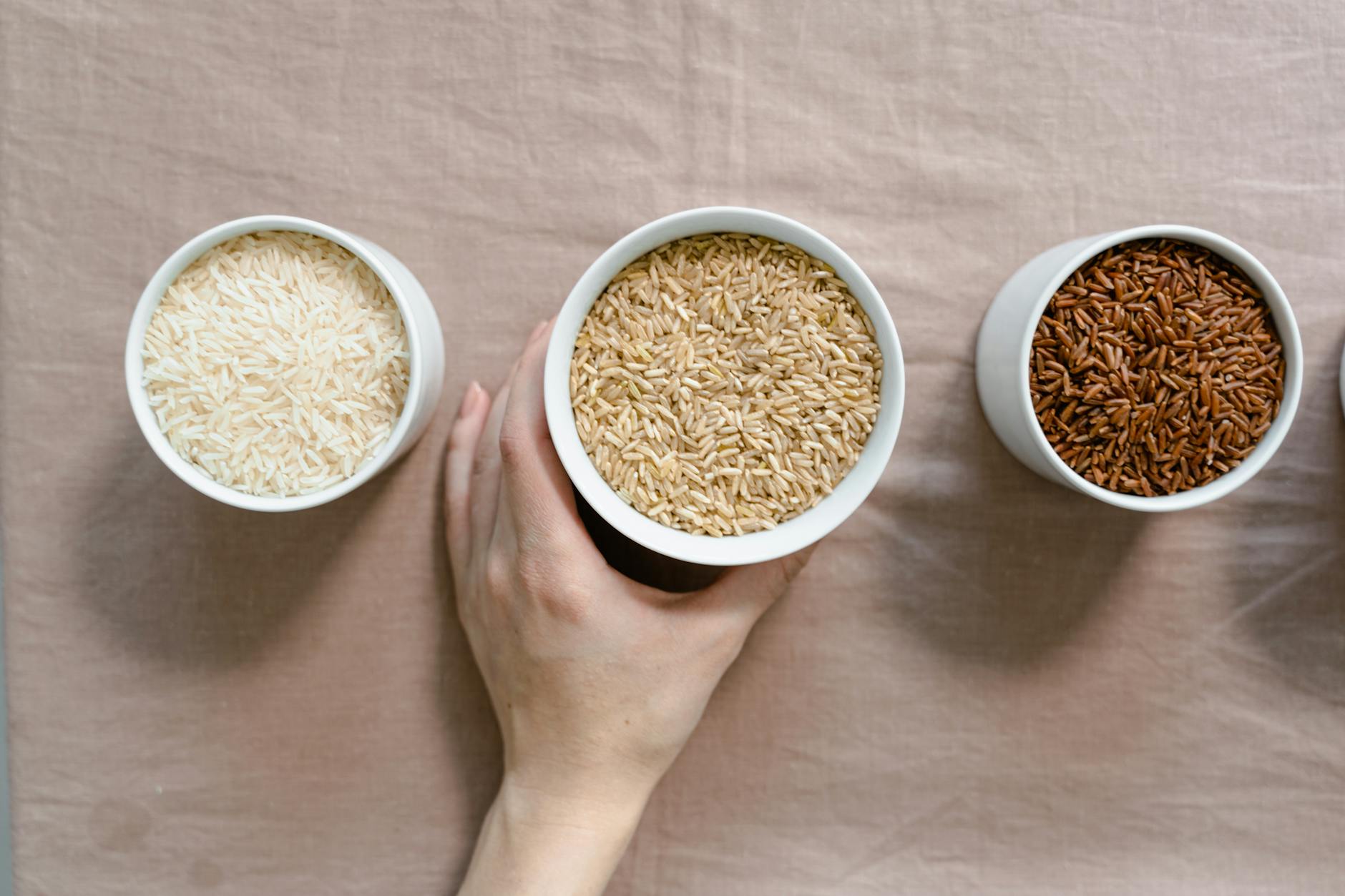
Brown rice retains its bran and germ layers, which are stripped away during the processing of white rice. This means it keeps its fiber, B vitamins, magnesium, and manganese intact. A cup of cooked brown rice provides roughly 45 grams of carbohydrates and about 3.5 grams of fiber. PubMed research shows that high intakes of whole grains are associated with positive effects on metabolic health, while diets high in refined carbohydrates have negative effects on cardiometabolic health. Brown rice has a lower glycemic index than its white counterpart, meaning it releases glucose more gradually. Swap it into stir-fries, burrito bowls, or casseroles for an easy upgrade.
6. Bananas
Bananas are nature’s portable energy bar. A medium banana contains about 27 grams of carbohydrates, mostly from natural sugars and starch. As bananas ripen, their resistant starch converts to sugar, so greener bananas offer more prebiotic benefits for gut health. They are well-known for their potassium content, which plays a vital role in heart rhythm and muscle contractions. Bananas also provide vitamin B6, vitamin C, and magnesium. Athletes often reach for them before or after workouts because they offer quick, digestible fuel. Slice one onto oatmeal or freeze ripe bananas for a creamy, dairy-free soft-serve treat.
7. Lentils
Lentils are tiny legumes that cook faster than most beans and require no soaking. One cup of cooked lentils delivers approximately 40 grams of carbohydrates, 16 grams of fiber, and 18 grams of protein. That impressive fiber content supports digestive regularity and feeds beneficial gut bacteria. Clinical evidence shows that diets rich in legumes like lentils may help reduce the risk of type 2 diabetes and cardiovascular disease. They come in several varieties — green, brown, red, and black — each with a slightly different texture and cooking time. Red lentils break down quickly, making them ideal for creamy soups and Indian dal. Add any variety to stews, salads, or grain bowls for a filling, nutrient-dense meal.
8. Butternut Squash
Butternut squash brings a naturally sweet, creamy flavor to meals without excessive calories. One cup of cubed butternut squash contains about 22 grams of carbohydrates and is rich in vitamin A, vitamin C, and potassium. Its vivid orange color comes from beta-carotene, a potent antioxidant that research links to eye health and immune function. The fiber in butternut squash helps promote satiety and supports healthy digestion. It also provides manganese, which plays a role in bone health and metabolism. Roast cubes with sage and olive oil, blend it into a velvety soup, or toss it into pasta dishes. It stores well for weeks, making it a convenient pantry-friendly carb source.
9. Whole Wheat Bread
Not all bread deserves a bad reputation. Genuine whole wheat bread made from 100% whole grain flour retains the bran, germ, and endosperm of the wheat kernel. This means it delivers more fiber, B vitamins, and minerals than white bread. Look for labels listing whole wheat flour as the very first ingredient and aim for at least three grams of fiber per slice. PubMed research suggests that moderate carbohydrate intake at 50–55% of daily energy is associated with the lowest mortality risk. Whole wheat bread pairs well with avocado, nut butter, or lean proteins for balanced meals. Choosing it over refined white bread is one of the simplest dietary swaps you can make.
10. Blueberries
Blueberries may be small, but they deliver outsized nutritional benefits. One cup of fresh blueberries contains about 21 grams of carbohydrates along with nearly four grams of fiber. They are loaded with anthocyanins, the antioxidant compounds responsible for their deep blue color. Studies indicate that regular blueberry consumption may support brain health and improve memory in older adults. They also provide vitamin C, vitamin K, and manganese in a low-calorie package. Their natural sweetness makes them a satisfying way to curb sugar cravings without reaching for processed snacks. Toss them into yogurt, blend them into smoothies, or simply enjoy a handful as a refreshing afternoon snack.
Choosing healthy carbs does not mean eliminating carbohydrates — it means being intentional about which ones you eat. By incorporating options like oats, lentils, sweet potatoes, and berries into your weekly meals, you can fuel your body with sustained energy and essential nutrients. Start by swapping one refined carb in your diet this week for a whole-food alternative from this list and notice how your energy and digestion respond.
Medical Disclaimer: This article is for informational purposes only and does not constitute medical advice. Always consult a qualified healthcare professional before making health decisions.




