Stevens-Johnson syndrome, often called SJS, is a rare and severe reaction most commonly triggered by medications. It affects the skin and mucous membranes and can quickly become life-threatening without prompt medical care. Understanding the key facts about this condition may help you or someone you love recognize the warning signs early and seek treatment fast.
1. It Is a Severe Drug Reaction
Stevens-Johnson syndrome is most often triggered by an adverse reaction to certain medications. The immune system essentially overreacts to a drug, causing widespread damage to skin cells. Antibiotics like sulfonamides, anticonvulsants such as carbamazepine, and nonsteroidal anti-inflammatory drugs are among the most commonly implicated triggers. Research suggests that the reaction typically begins one to three weeks after starting a new medication. However, infections like Mycoplasma pneumoniae and herpes simplex virus can also trigger the condition, especially in children. If you develop an unexpected rash after starting a new medication, contact your healthcare provider immediately rather than waiting to see if it resolves on its own.
2. It Exists on a Spectrum With Toxic Epidermal Necrolysis
SJS is actually part of a severity spectrum that includes toxic epidermal necrolysis, or TEN. When less than ten percent of the body’s skin surface is affected, the condition is classified as SJS. When skin detachment exceeds thirty percent, it becomes TEN. The overlap zone between ten and thirty percent is called SJS-TEN overlap. According to a PubMed review exploring improved diagnostic criteria, distinguishing between these stages is critical because mortality rates climb sharply as more skin is involved. Understanding where a patient falls on this spectrum helps guide treatment intensity and urgency.
3. Early Symptoms Can Mimic the Flu
One of the most dangerous aspects of Stevens-Johnson syndrome is how innocently it begins. Early warning signs often include fever, sore throat, fatigue, and body aches. These symptoms can easily be mistaken for a common cold or flu. Within days, however, a painful rash appears and rapidly spreads. The skin may develop blisters and begin to peel in sheets. Mucous membranes in the eyes, mouth, and genitals are frequently affected as well. Recognizing that these flu-like symptoms combined with a new medication could signal something far more serious is essential for early intervention.
4. Certain Genetic Markers Increase Risk
Not everyone who takes a high-risk medication will develop SJS. Clinical evidence shows that certain genetic variations, particularly in the HLA gene family, significantly increase susceptibility. For example, the HLA-B*1502 allele is strongly associated with carbamazepine-induced SJS in people of Southeast Asian descent. Similarly, the HLA-B*5801 allele raises the risk with allopurinol use. The FDA now recommends genetic screening for certain populations before prescribing these medications. If you belong to a higher-risk ethnic group or have a family history of severe drug reactions, ask your doctor about pharmacogenomic testing before starting new medications.
5. It Requires Immediate Hospitalization
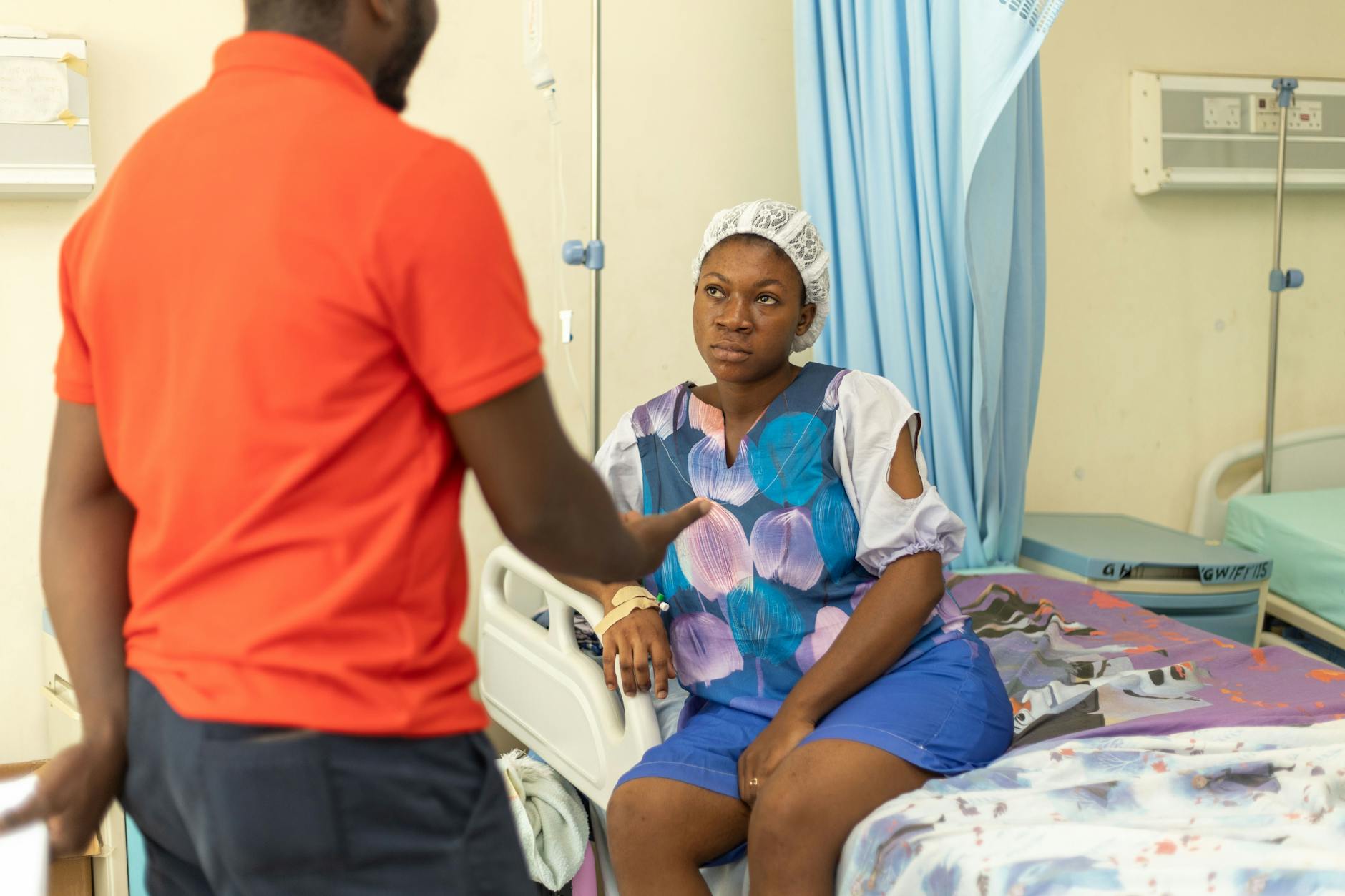
Stevens-Johnson syndrome is a medical emergency that almost always requires hospitalization. Patients are often treated in burn units or intensive care settings because the skin damage closely resembles severe burns. The compromised skin barrier leaves patients extremely vulnerable to infection, dehydration, and organ damage. Clinical teams must carefully manage fluid replacement, wound care, pain control, and nutrition. The offending medication must be identified and stopped as quickly as possible, which studies indicate is the single most important step in reducing mortality. If SJS is suspected, do not attempt home treatment — call emergency services immediately.
6. Treatment Options Are Still Being Refined
Despite decades of research, there is no single gold-standard treatment for SJS beyond supportive care. A PubMed/Cochrane systematic review assessing therapies across nine clinical studies with 308 participants found limited high-quality evidence for any one approach. Systemic treatments including glucocorticoids, intravenous immunoglobulin, and cyclosporine have all been used with varying degrees of success. The review highlighted the urgent need for larger, well-designed clinical trials. For now, early drug withdrawal and meticulous supportive care in a specialized unit remain the foundation of managing this condition effectively.
7. Cyclosporine Shows Promising Results
Among the immunosuppressive therapies being studied, cyclosporine has emerged as one of the more promising options. A PubMed meta-analysis of 88 studies covering 2,647 patients found that cyclosporine and systemic glucocorticoids showed the most encouraging survival benefits. Cyclosporine works by suppressing the overactive immune response driving the skin destruction. Some clinical centers have adopted it as a first-line systemic therapy for moderate to severe cases. Additionally, NIH/PubMed Central research notes that biologic anti-TNF-α agents are showing increasing effectiveness as an emerging treatment avenue. Discuss all treatment options with your medical team to understand what approach may be most appropriate.
8. Long-Term Complications Can Be Serious
Surviving the acute phase of SJS does not mean the condition is fully behind you. Many survivors face lasting complications that can significantly affect quality of life. Eye damage is particularly common and can range from chronic dry eyes to scarring of the cornea and even blindness. Skin may heal with permanent scarring or changes in pigmentation. Some patients experience ongoing issues with their lungs, kidneys, or liver. Psychological effects including post-traumatic stress disorder and anxiety are also widely reported among survivors. Long-term follow-up care with multiple specialists is often necessary to manage these chronic consequences.
9. Children and Immunocompromised Individuals Face Higher Risks
While Stevens-Johnson syndrome can affect anyone at any age, certain populations are more vulnerable. Children, particularly those with infections like Mycoplasma pneumoniae, may develop SJS even without medication triggers. People with weakened immune systems, including those living with HIV, face a dramatically higher incidence of the condition. Studies indicate that HIV-positive individuals are roughly 100 times more likely to develop SJS compared to the general population. Patients undergoing radiation therapy or those with autoimmune conditions may also carry elevated risk. If you or a family member falls into a higher-risk group, discuss medication safety proactively with your healthcare provider.
10. Prevention Starts With Medication Awareness
The most effective way to reduce your risk of Stevens-Johnson syndrome is through careful medication awareness. Always inform your doctor and pharmacist about any previous adverse drug reactions, no matter how minor they seemed. If you have experienced SJS before, you should wear a medical alert bracelet and ensure the triggering drug is prominently listed in your medical records. Cross-reactivity between related medications is possible, so avoid entire drug classes when advised. Pharmacogenomic testing can help identify genetic risk factors before a new prescription is written. Taking these simple, proactive steps may help prevent a first occurrence or a potentially fatal recurrence of this devastating condition.
Stevens-Johnson syndrome is rare, but its severity demands respect and awareness from patients and healthcare providers alike. By understanding the triggers, recognizing early symptoms, and communicating openly with your medical team about drug allergies and genetic risks, you can take meaningful steps to protect yourself and your loved ones.
Medical Disclaimer: This article is for informational purposes only and does not constitute medical advice. Always consult a qualified healthcare professional before making health decisions.




