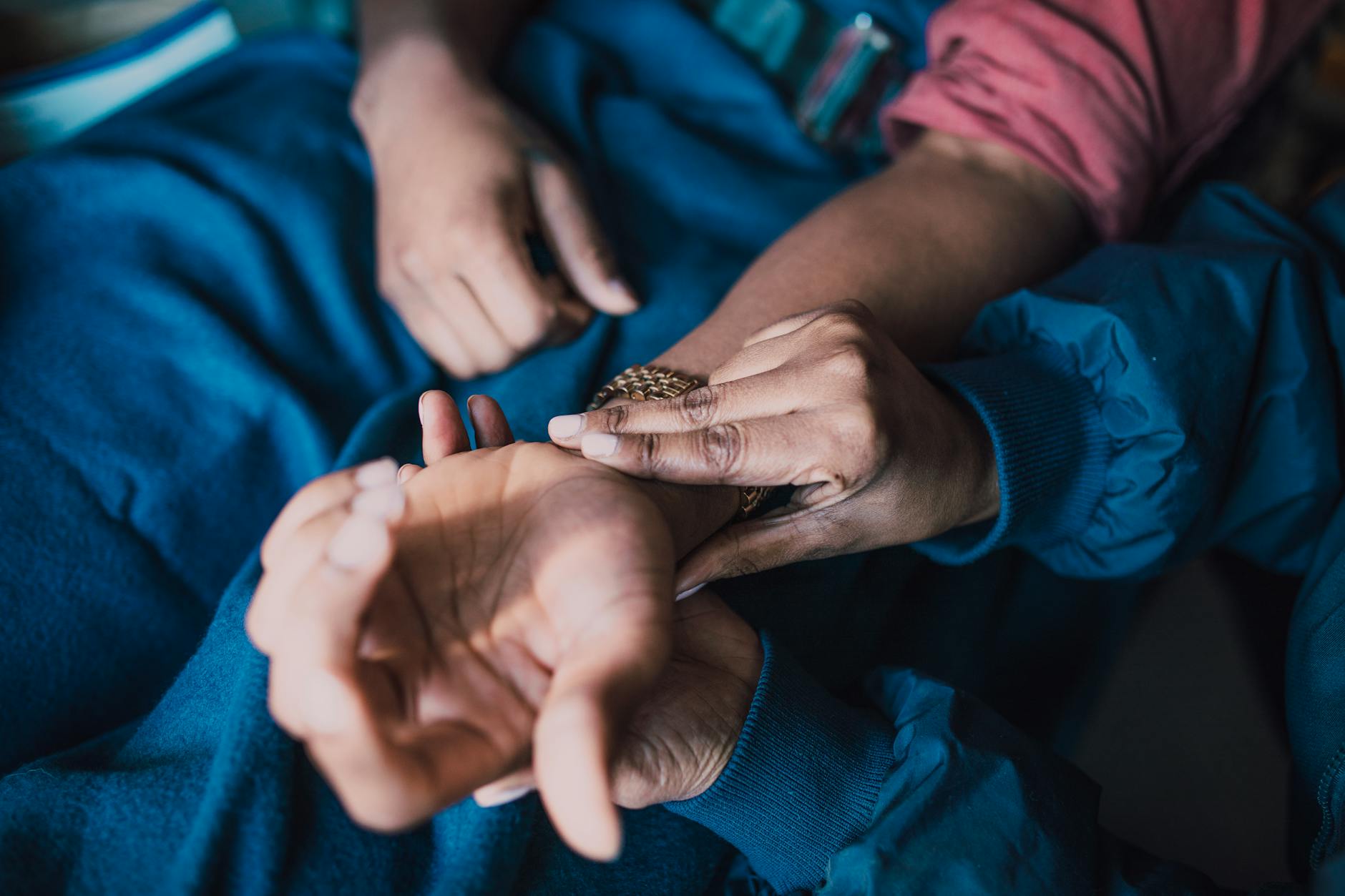
Tenosynovitis — inflammation of the fluid-filled sheath surrounding a tendon — affects millions of people worldwide, particularly those who perform repetitive hand, wrist, or foot motions. Left untreated, this condition can progress from mild discomfort to chronic pain that interferes with everyday tasks like typing, gripping, or even holding a coffee cup. Recognizing the signs early gives you the best chance of managing it effectively.
1. Pain Along the Tendon
The hallmark sign of tenosynovitis is a dull, aching pain that follows the path of the affected tendon. Unlike general joint soreness, this pain tends to feel very specific — like a line of tenderness running along your wrist, thumb, or ankle. The discomfort often worsens with movement and may feel sharper when you first use the affected area after rest. According to a comprehensive overview from NIH/NCBI, both infectious and non-infectious forms of tenosynovitis share this characteristic tendon-line pain. If you notice persistent pain that doesn’t improve within a few days, it’s worth bringing up with your doctor.
2. Swelling Around the Affected Area
Visible swelling near a tendon is one of the most recognizable signs of tenosynovitis. The tendon sheath becomes inflamed and may fill with excess fluid, creating a puffy or thickened appearance. You might notice this swelling along the thumb side of your wrist, the back of your hand, or near your ankle. The swelling can feel warm to the touch. Applying ice and resting the area may help reduce inflammation temporarily, but persistent swelling typically warrants a professional evaluation.
3. Stiffness That Limits Movement
When the tendon sheath swells, the tendon can no longer glide smoothly inside it. This creates a feeling of stiffness that makes bending, straightening, or rotating the affected joint difficult. Morning stiffness is especially common, since prolonged inactivity allows inflammation to settle overnight. Many people describe it as a joint that feels “stuck” or resistant. Gentle range-of-motion exercises, performed under a therapist’s guidance, may help maintain flexibility during recovery.
4. A Grinding or Grating Sensation
Some people with tenosynovitis report a subtle grinding, crackling, or grating feeling when they move the affected tendon. Healthcare providers call this “crepitus.” It happens because the inflamed sheath creates friction against the tendon as it moves. You might feel it more than hear it, though sometimes the sensation is audible. This sign often indicates that the condition has been present for a while. If you notice crepitus alongside pain, it suggests the inflammation may need more targeted treatment than rest alone.
5. Difficulty Gripping or Pinching
Tenosynovitis in the hand or wrist can significantly weaken your grip strength. Tasks like opening jars, turning doorknobs, or pinching objects become surprisingly painful. De Quervain tenosynovitis, which affects the tendons on the thumb side of the wrist, is a particularly common culprit. A detailed clinical resource from NIH/NCBI notes that this form is often linked to repetitive gripping and wringing motions. Avoiding activities that aggravate your grip and wearing a thumb spica splint may provide relief while the area heals.
6. Pain That Worsens With Repetitive Motion
One distinguishing feature of tenosynovitis is that symptoms flare with repeated use. Typing, texting, playing an instrument, or performing assembly-line work can all trigger increased pain. The repetitive motion irritates the already-inflamed sheath, creating a cycle of worsening symptoms. Research suggests that people in occupations requiring sustained hand or wrist use face a higher risk. Taking regular micro-breaks and varying your hand positions throughout the day are simple strategies that may help interrupt this cycle.
7. Warmth and Redness Over the Tendon
When inflammation is significant, the skin over the affected tendon may become noticeably warm and red. These signs reflect increased blood flow to the area as your body’s immune response kicks in. Warmth and redness are particularly important to monitor because they can also indicate infectious tenosynovitis, which requires urgent medical attention. Infectious forms may develop after a puncture wound, animal bite, or skin infection. If redness spreads rapidly or you develop a fever alongside tendon pain, seek medical care right away rather than waiting.
8. A Positive Finkelstein Test
The Finkelstein test is a simple clinical maneuver often used to identify de Quervain tenosynovitis. You can try it yourself by tucking your thumb into your fist and gently bending your wrist toward your little finger. Sharp pain along the thumb side of your wrist during this motion is considered a positive result. While this test is widely used in clinical settings, it isn’t a definitive diagnosis on its own. Share the result with your healthcare provider, who can combine it with imaging or other assessments to confirm the condition.
9. Symptoms That Respond to Corticosteroid Injection
If your doctor suspects tenosynovitis, they may recommend a corticosteroid injection into the tendon sheath. Significant symptom relief following the injection can actually help confirm the diagnosis. A PubMed epidemiological study found a 71.9% success rate with an initial corticosteroid injection for de Quervain tenosynovitis, though success decreased with repeat injections. This response pattern matters for treatment planning. If your first injection provides substantial relief, your provider may focus on physical therapy and activity modification to sustain those gains long-term.
10. Symptoms That Don’t Improve With Rest Alone
While mild tendon irritation often resolves with a few days of rest, tenosynovitis frequently persists or returns despite time off. This is a key sign that the condition has progressed beyond simple overuse. Studies indicate that a combination of splinting, physical therapy, and sometimes corticosteroid injections tends to produce better outcomes than rest alone. Surgical release may be considered in cases that don’t respond to conservative approaches. If your symptoms keep returning despite adequate rest, a structured treatment plan from a hand specialist or orthopedic provider is your best next step.
Tenosynovitis is highly treatable when caught early, but ignoring the warning signs can lead to chronic pain and reduced function. If you recognize several of these signs in yourself, schedule an appointment with your healthcare provider to discuss an accurate diagnosis and a personalized treatment plan that fits your lifestyle.
Medical Disclaimer: This article is for informational purposes only and does not constitute medical advice. Always consult a qualified healthcare professional before making health decisions.




