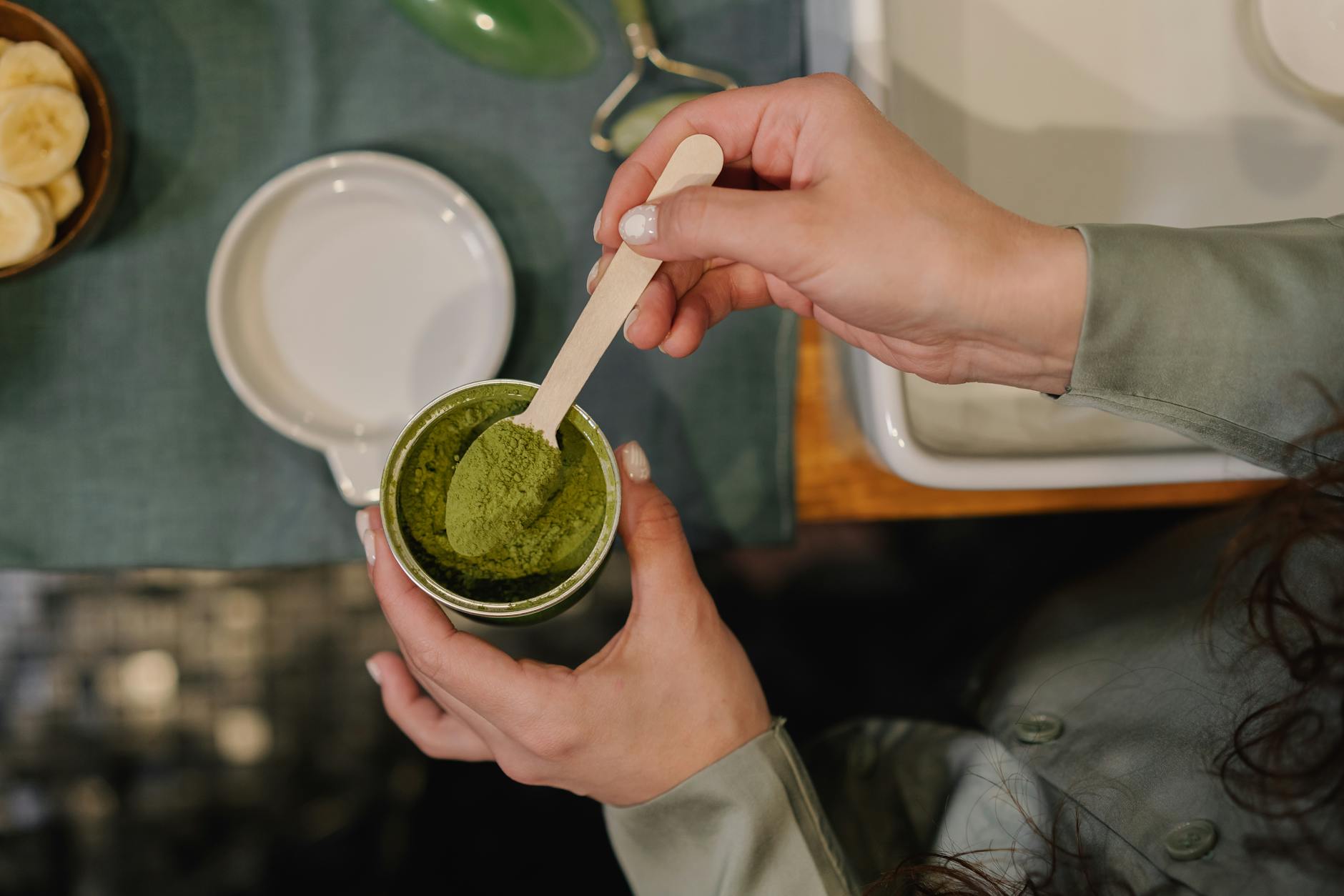
Matcha tea has surged from a traditional Japanese ceremonial drink to one of the most popular health beverages worldwide. Packed with concentrated nutrients from whole tea leaves ground into a fine powder, matcha delivers a unique combination of antioxidants, amino acids, and natural caffeine. Here’s what the latest research reveals about this vibrant green drink.
1. Rich in Powerful Antioxidants
Matcha tea stands apart from regular green tea because you consume the entire leaf, not just a brewed extract. This means you get a much higher concentration of catechins, particularly epigallocatechin gallate (EGCG). These catechins are potent antioxidants that help neutralize free radicals in the body. Research indicates that the high levels of antioxidants and anti-inflammatory catechins in matcha contribute to a range of health-enhancing effects. Adding one to two cups daily is a simple way to boost your antioxidant intake without supplements.
2. Supports Sharper Focus and Attention
One of the most well-known benefits of matcha tea is its ability to improve mental clarity. Matcha contains L-theanine, an amino acid that promotes calm alertness without the jitters associated with coffee. Clinical evidence shows that matcha may reduce stress while simultaneously improving attention and memory in randomized controlled trials. The combination of caffeine and L-theanine creates a balanced, sustained focus. Try sipping matcha before tasks that demand concentration for a noticeable mental edge.
3. May Promote Heart Health
Heart disease remains the leading cause of death globally, and dietary choices play a significant role in prevention. Studies suggest that green tea catechins may help lower LDL cholesterol and reduce blood pressure over time. Research also links matcha’s bioactive compounds to improved cardiovascular markers and cardio-metabolic health. Enjoying matcha as part of a balanced diet rich in fruits, vegetables, and whole grains may offer your heart an extra layer of support.
4. Helps Manage Weight and Metabolism
Matcha tea has gained attention for its potential role in weight management. Animal studies indicate that matcha green tea may reduce obesity, lipid accumulation, and hepatic steatosis by modulating gut microbiota and metabolic pathways. EGCG in matcha may also support thermogenesis, the process by which your body burns calories to produce heat. While matcha is no magic bullet, pairing it with regular exercise and mindful eating could give your metabolism a gentle nudge.
5. Delivers a Calm Energy Boost
Unlike the sharp spike and crash that coffee can cause, matcha provides a smoother energy curve. A typical serving contains about 60 to 70 milligrams of caffeine, roughly half that of a cup of coffee. L-theanine slows the absorption of caffeine, extending its effects over several hours. This makes matcha an excellent choice for people who are sensitive to caffeine but still need a reliable pick-me-up during the day.
6. Supports Oral and Gum Health
Your morning cup of matcha tea may do more than wake you up — it might also benefit your gums. A recent study found that daily matcha intake for one month improved gingival health and reduced oxidative stress markers in patients with localized gingivitis. The antibacterial properties of catechins may help control harmful oral bacteria as well. Drinking matcha unsweetened is the best approach if you want to maximize these oral health benefits.
7. Contains Anti-Inflammatory Compounds
Chronic low-grade inflammation is linked to numerous conditions, from arthritis to metabolic syndrome. Matcha’s high concentration of polyphenols, especially EGCG, has demonstrated anti-inflammatory activity in multiple studies. These compounds may help reduce inflammatory markers in the body over time. Incorporating matcha into your daily routine alongside other anti-inflammatory foods like fatty fish and berries could support a healthier inflammatory response.
8. May Help Protect Brain Function
Cognitive decline is a growing concern as populations age worldwide. Early research suggests that the polyphenols in matcha tea may help protect neurons from oxidative damage. Some studies have also explored green tea catechins for their potential to support memory and reduce the risk of neurodegenerative conditions. While more human trials are needed, the existing evidence is promising enough to consider matcha a brain-friendly beverage choice.
9. Supports Liver Health
Your liver works tirelessly to filter toxins and metabolize nutrients. Research in animal models suggests that matcha may help reduce fat buildup in liver tissue, particularly in diets high in fat. The antioxidant activity of EGCG appears to play a protective role against liver stress caused by oxidative damage. Supporting your liver with nutrient-dense foods and beverages like matcha tea is a practical step toward long-term metabolic wellness.
10. Easy to Incorporate Into Everyday Life
One of the most practical benefits of matcha tea is its versatility. You can whisk it traditionally with hot water, blend it into smoothies, or mix it into oatmeal and baked goods. Because matcha is a whole-food powder, it retains its nutritional profile across various preparations. Start with culinary-grade matcha for cooking and ceremonial grade for drinking. Even one serving a day can help you tap into the many benefits this vibrant powder has to offer.
Matcha tea offers an impressive range of potential health benefits, from sharper focus and heart support to antioxidant protection and metabolic health. The research continues to grow, but the evidence so far is encouraging. Consider adding a daily cup of matcha to your routine and pay attention to how your body responds over time.
Medical Disclaimer: This article is for informational purposes only and does not constitute medical advice. Always consult a qualified healthcare professional before making health decisions.




