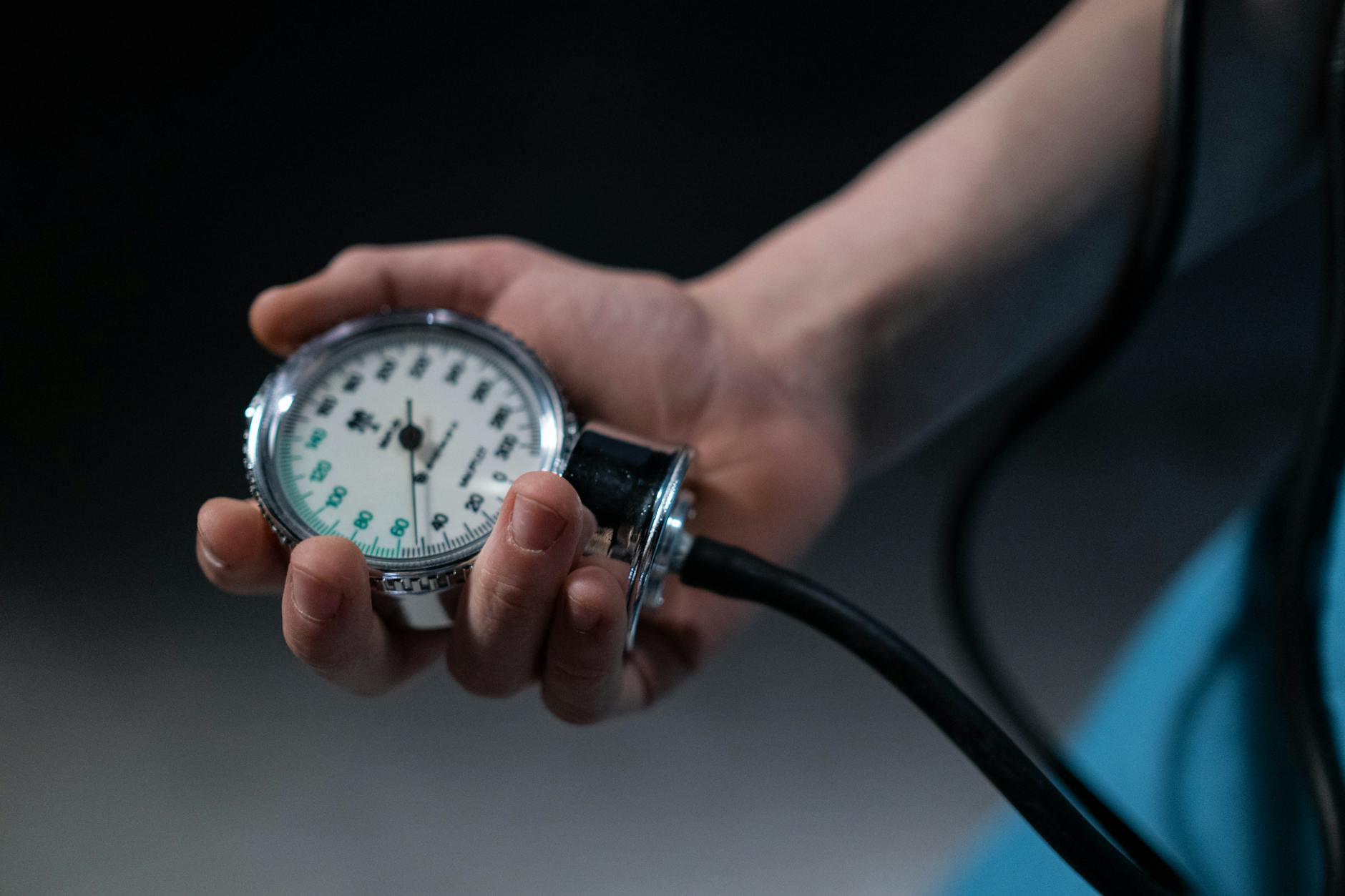
Nearly half of all American adults have high blood pressure, according to the American Heart Association, yet many have no idea their numbers are dangerously elevated. Often called the “silent killer,” hypertension can quietly damage your heart, kidneys, and brain for years before obvious high blood pressure symptoms appear. Knowing what to watch for could be the difference between early intervention and a medical emergency.
1. Persistent Headaches
Headaches that keep coming back without a clear cause may signal elevated blood pressure. Research suggests that severely high readings can increase pressure inside the skull, triggering pain that often feels dull and throbbing. These headaches tend to affect both sides of the head rather than one specific area. They may feel worse in the morning and gradually ease throughout the day. While occasional headaches are common and usually harmless, persistent ones paired with other symptoms on this list deserve medical attention. If you notice a pattern of unexplained headaches, keeping a symptom journal can help your doctor identify whether blood pressure may be the underlying cause.
2. Shortness of Breath
Feeling winded during activities that never used to challenge you could point to a blood pressure problem. When pressure in your arteries stays elevated, your heart has to work harder to pump blood. Over time, this extra strain can weaken the heart muscle and reduce its efficiency. Clinical evidence shows that uncontrolled hypertension is a leading contributor to heart failure, which often manifests first as unexplained breathlessness. You might notice it climbing stairs or even during light household tasks. If routine activities suddenly leave you gasping, schedule a checkup with your healthcare provider sooner rather than later.
3. Dizziness or Lightheadedness
Sudden episodes of dizziness can sometimes be linked to fluctuating blood pressure levels. While dizziness has many possible causes, studies indicate that hypertensive episodes may disrupt normal blood flow to the brain. This can make you feel unsteady, faint, or like the room is spinning. The sensation may strike when you stand up quickly or during periods of stress. Certain blood pressure medications can also cause dizziness as a side effect. If you experience frequent lightheadedness, it is important to have your blood pressure checked rather than dismissing it as simple fatigue or dehydration.
4. Chest Pain or Tightness
A feeling of pressure, tightness, or pain in the chest should never be ignored. High blood pressure forces the heart to pump against increased resistance in the arteries. This added workload can cause chest discomfort, especially during physical exertion or emotional stress. Research shows that chronic hypertension contributes to coronary artery disease, which narrows the vessels supplying blood to the heart itself. Chest pain can also signal a heart attack, which is a medical emergency. Any new or unexplained chest tightness warrants immediate evaluation, particularly if you have known risk factors like a family history of heart disease or a sedentary lifestyle.
5. Vision Changes
Blurred vision, double vision, or sudden vision loss can be among the more alarming high blood pressure symptoms. The tiny blood vessels in your eyes are highly sensitive to pressure changes. When blood pressure spikes, these delicate vessels can swell, leak, or become damaged. A condition called hypertensive retinopathy can develop gradually and may eventually threaten your eyesight. Studies indicate that eye exams can sometimes reveal signs of high blood pressure before other symptoms appear. If you notice any sudden shifts in your vision, treat it as an urgent warning sign and seek medical care promptly.
6. Nosebleeds
While nosebleeds are common and usually benign, frequent or hard-to-stop episodes may be associated with very high blood pressure. Elevated pressure can weaken the small blood vessels inside the nasal passages, making them more prone to rupture. Research on this connection is mixed, but some clinical observations suggest a link during hypertensive crises. A single nosebleed is rarely cause for alarm on its own. However, recurring nosebleeds alongside other symptoms like headaches or dizziness should prompt a blood pressure evaluation. Keep tissues handy but also keep an eye on the bigger picture of your overall cardiovascular health.
7. Fatigue and Confusion
Persistent tiredness that sleep does not resolve can sometimes trace back to blood pressure issues. When the heart struggles to circulate blood efficiently, organs and muscles receive less oxygen than they need. This oxygen deficit often shows up as constant fatigue, brain fog, or difficulty concentrating. Studies indicate that chronic hypertension may also impair blood flow to the brain, contributing to confusion and memory lapses over time. Many people attribute these feelings to aging or a busy schedule. If rest and good nutrition do not restore your energy, consider asking your doctor to check your blood pressure as part of a broader health assessment.
8. Irregular Heartbeat
Feeling your heart skip, flutter, or pound can be unsettling and may relate to elevated blood pressure. Chronic hypertension forces the heart to adapt by thickening its walls, a condition called left ventricular hypertrophy. This structural change can disrupt the electrical signals that keep your heart beating in a steady rhythm. Clinical evidence shows that people with uncontrolled high blood pressure face a greater risk of developing atrial fibrillation, a common but potentially serious arrhythmia. Pay attention to any sensation that your heart is racing or beating unevenly, especially at rest. Reporting these episodes to your doctor can lead to early detection and better outcomes.
9. Blood in the Urine
Noticing pink, red, or brown-tinged urine can be frightening and should always be medically evaluated. High blood pressure is one of the leading causes of kidney damage because the kidneys rely on a dense network of fragile blood vessels. Sustained hypertension can injure these vessels, allowing blood to pass into the urine. This condition, known as hematuria, may also indicate that kidney function is declining. Research suggests that early detection of kidney involvement can slow progression when blood pressure is brought under control. If you ever see blood in your urine, contact your healthcare provider right away for proper testing.
10. Difficulty Sleeping
Trouble falling asleep or staying asleep may have a surprising connection to blood pressure. Studies indicate a strong link between hypertension and obstructive sleep apnea, a condition where breathing repeatedly stops during sleep. Even without sleep apnea, elevated nighttime blood pressure can disrupt sleep quality and leave you feeling unrested. Researchers have found that people whose blood pressure does not dip normally at night face higher cardiovascular risks. Poor sleep in turn can raise daytime blood pressure, creating a harmful cycle. If you consistently struggle with sleep despite good habits, bringing it up with your doctor could uncover a blood pressure issue hiding beneath the surface.
Recognizing high blood pressure symptoms early gives you a powerful advantage in protecting your long-term health. Many of these warning signs overlap with other conditions, which is exactly why regular blood pressure screenings are so essential. Make it a priority to schedule a checkup, share any symptoms you have noticed, and work with your doctor to create a plan that keeps your numbers in a healthy range.
Medical Disclaimer: This article is for informational purposes only and does not constitute medical advice. Always consult a qualified healthcare professional before making health decisions.




