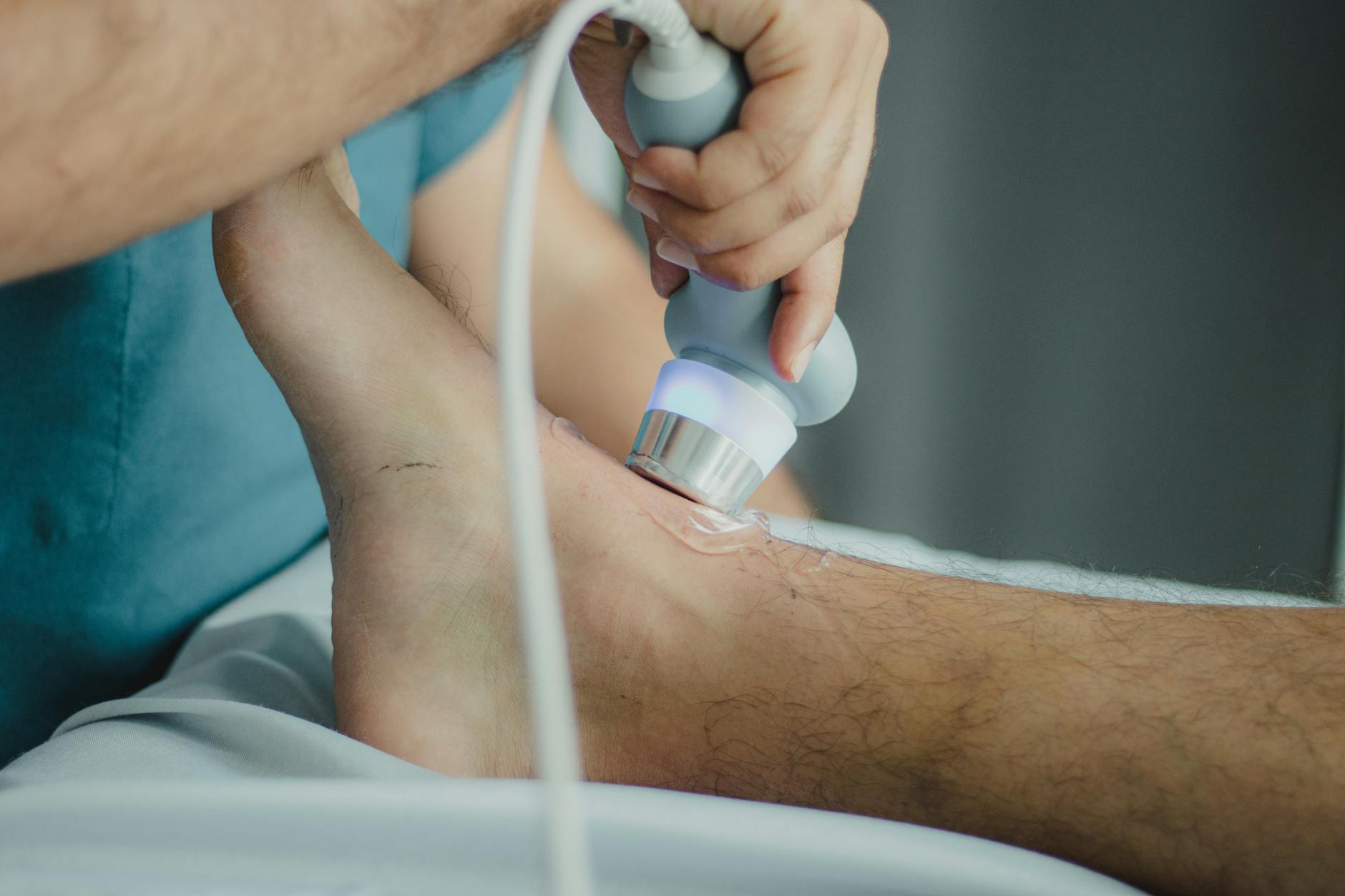
A muscle spasm is a sudden, involuntary contraction that can affect anyone at any age. Whether it hits your calf at 3 a.m. or locks up your back during a workout, understanding the underlying cause is the first step toward effective relief. Below are ten of the most common triggers behind these unwelcome twitches and cramps.
1. Dehydration
When your body loses more fluid than it takes in, muscles become more excitable and prone to involuntary contractions. Even mild dehydration can disrupt the delicate balance of fluids surrounding muscle cells. Research indicates that dehydration is one of the most frequently cited triggers for muscle cramps, particularly in hot environments or during prolonged physical activity. The fix is straightforward but easy to overlook. Aim to sip water consistently throughout the day rather than guzzling large amounts all at once. Keeping a reusable bottle within reach serves as a simple visual reminder to stay hydrated.
2. Electrolyte Imbalances
Electrolytes like potassium, magnesium, calcium, and sodium play starring roles in muscle contraction and relaxation. When these minerals fall out of balance, your muscles may fire erratically. Heavy sweating, vomiting, diarrhea, or certain medications can deplete electrolytes quickly. Clinical evidence shows that low magnesium and potassium levels are especially linked to muscle spasm episodes. Eating a balanced diet rich in leafy greens, bananas, nuts, and dairy can help maintain healthy mineral levels. If spasms persist, ask your doctor about blood work to check your electrolyte status.
3. Overexertion and Muscle Fatigue
Pushing your muscles beyond their limits is one of the most common reasons for sudden cramping. Fatigue causes a breakdown in normal neuromuscular signaling, which can trigger a spasm. A comprehensive review published in PubMed concludes that exercise-associated muscle cramps stem primarily from altered neuromuscular control rather than dehydration alone, and recommends rest, stretching, and addressing precipitating factors. This is especially relevant for weekend warriors who jump into intense activity without proper conditioning. Gradually increasing exercise intensity and building in recovery days can significantly reduce your risk of overexertion-related spasms.
4. Prolonged Sitting or Poor Posture
Spending hours hunched over a desk or slumped on a couch places sustained stress on certain muscle groups. Over time, these muscles shorten and become irritable. The neck, shoulders, and lower back are particularly vulnerable to posture-related spasms. Poor posture also restricts blood flow, which starves muscles of the oxygen they need to function smoothly. Setting a timer to stand and stretch every 30 to 45 minutes can make a noticeable difference. Ergonomic adjustments to your chair and monitor height also help keep your spine aligned and muscles relaxed.
5. Nerve Compression or Damage
When nerves become pinched or damaged, they may send erratic signals that cause muscles to contract involuntarily. Conditions like herniated discs, sciatica, and spinal stenosis are well-known culprits. A large-scale review of 253 studies found that muscle spasms in upper motor neuron disorders are frequently described as painful and closely linked to fatigue and exercise. Peripheral neuropathy from diabetes or other conditions can also contribute. If your spasms follow a pattern along a specific nerve path, this warrants medical evaluation. Early treatment of the underlying nerve issue often reduces spasm frequency dramatically.
6. Stress and Anxiety
Mental tension has a direct physical counterpart in your muscles. When you are stressed, your body activates the fight-or-flight response, which tightens muscles throughout the body. Chronic stress keeps muscles in a state of near-constant contraction. Over time, this leads to painful spasms, particularly in the jaw, neck, and shoulders. Breathing exercises, progressive muscle relaxation, and regular physical activity can help interrupt the stress-spasm cycle. Addressing the root cause of your anxiety may be just as important as treating the spasm itself.
7. Medication Side Effects
Several commonly prescribed medications list muscle spasm as a potential side effect. Diuretics, statins, and certain asthma medications are frequent offenders. Diuretics, for example, flush electrolytes from the body alongside excess fluid. Statins may cause muscle irritability in some people. If you notice spasms starting or worsening after beginning a new medication, speak with your prescribing doctor. They may adjust your dosage or switch you to an alternative that is gentler on your muscles.
8. Reduced Blood Flow
Muscles need a steady supply of oxygen-rich blood to function properly. When circulation is compromised, the affected muscle may cramp or spasm. Research proposes an ischemic model for chronic muscle spasm, suggesting that reduced blood flow triggers spontaneous electrical activity that sustains the contraction. Peripheral artery disease is one condition that commonly restricts blood flow to the legs. Smoking and a sedentary lifestyle also contribute to poor circulation. Regular walking, quitting tobacco, and wearing compression socks when appropriate may help improve blood flow to spasm-prone areas.
9. Underlying Medical Conditions
Sometimes a muscle spasm signals a deeper health issue that needs attention. Thyroid disorders, kidney disease, diabetes, and multiple sclerosis can all feature muscle spasms among their symptoms. Liver disease may also interfere with the body’s ability to process minerals, leading to cramping. Even anemia can reduce oxygen delivery to muscles and provoke contractions. If your spasms are frequent, severe, or do not respond to basic self-care, a thorough medical workup is a wise next step. Treating the underlying condition often resolves the spasms as well.
10. Lack of Stretching and Warm-Up
Jumping into activity without preparing your muscles is a recipe for involuntary contractions. Cold, stiff muscles are far more susceptible to spasms than warm, flexible ones. A proper warm-up gradually increases blood flow and primes the neuromuscular system for work. Dynamic stretches before exercise and static stretches afterward help keep muscles supple. Even on rest days, gentle stretching can reduce baseline muscle tension. Making five to ten minutes of stretching a daily habit is one of the simplest ways to prevent muscle spasm from disrupting your routine.
Muscle spasms are usually harmless but always worth paying attention to, especially when they become frequent or severe. By identifying your specific triggers from this list, you can take targeted steps toward relief and prevention. Start with the basics like hydration, stretching, and electrolyte balance, and talk to your doctor if symptoms persist.
Medical Disclaimer: This article is for informational purposes only and does not constitute medical advice. Always consult a qualified healthcare professional before making health decisions.




