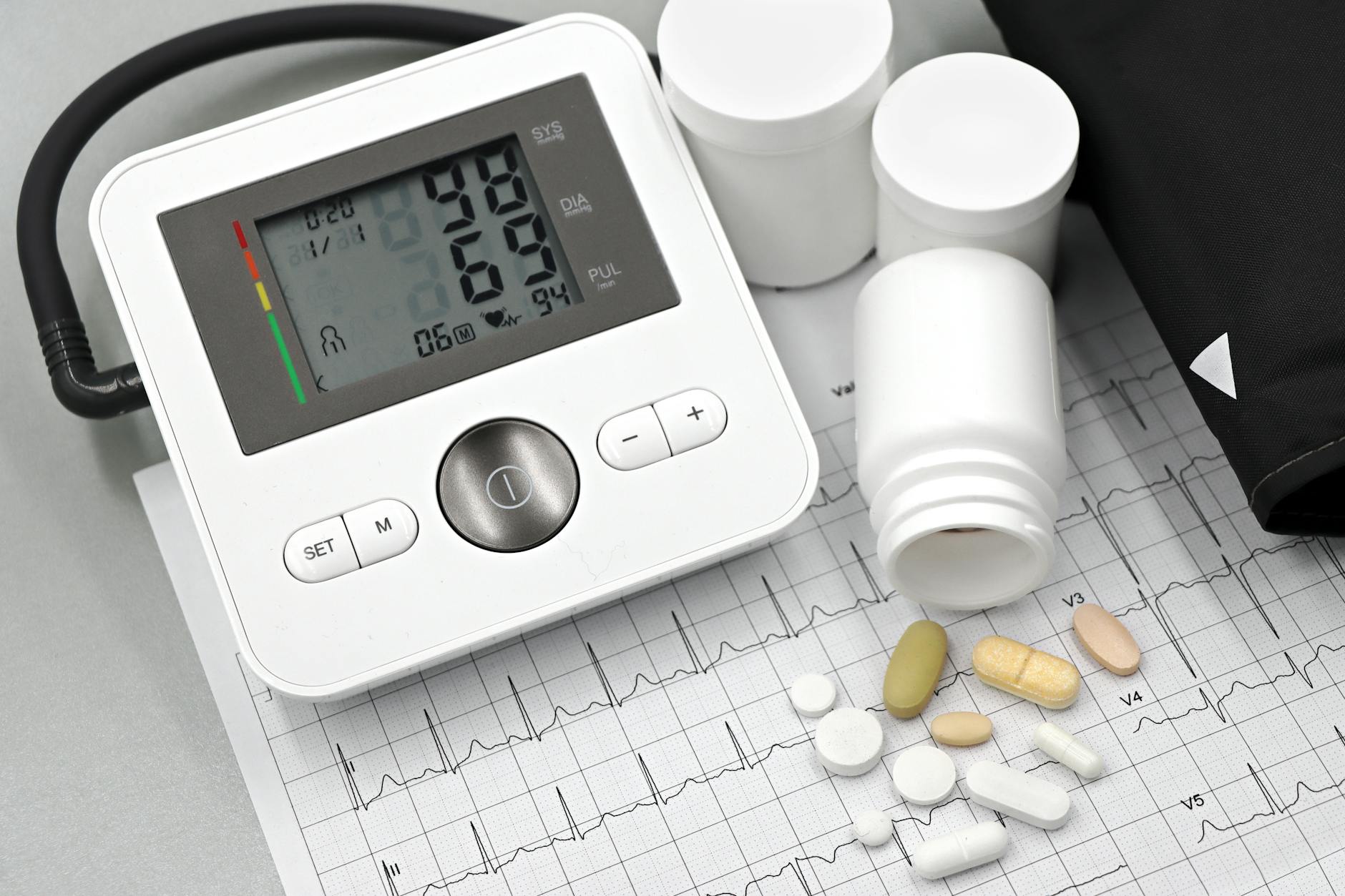
Nearly half of all adults in the United States have high blood pressure, yet many don’t even realize it. Understanding what causes high blood pressure is the first step toward protecting your heart and avoiding serious complications like stroke, heart attack, and kidney disease. From the foods you eat to the genes you inherited, here are ten key factors that research links to elevated blood pressure.
1. Excess Sodium Intake
Eating too much salt is one of the most well-documented drivers of high blood pressure. When sodium levels in your blood rise, your body holds onto extra water to dilute it. That extra fluid increases the volume of blood flowing through your vessels, which pushes pressure higher. Research suggests that 50 to 60 percent of people with hypertension have a genetic salt sensitivity that makes them especially vulnerable to sodium’s effects. Processed foods, canned soups, and restaurant meals are common culprits. One practical step is to aim for less than 2,300 milligrams of sodium per day and read nutrition labels carefully before buying packaged foods.
2. Genetic Predisposition and Family History
Your DNA plays a significant role in your blood pressure levels. If one or both of your parents had hypertension, your own risk increases substantially. According to clinical evidence, hypertension stems from genetic predisposition combined with environmental factors, meaning your genes load the gun while lifestyle pulls the trigger. You can’t change your family history, but knowing about it empowers you. Talk to your doctor about early screening if hypertension runs in your family, and adopt heart-healthy habits sooner rather than later.
3. Obesity and Excess Body Weight
Carrying extra weight forces your heart to work harder to pump blood throughout your body. The more tissue that needs oxygen and nutrients, the greater the volume of blood circulating through your arteries. This increased demand raises the pressure on your artery walls over time. Studies indicate that even modest weight gain can contribute to elevated readings. Excess body fat also triggers hormonal changes that promote sodium retention and inflammation. Losing even five to ten percent of your body weight may help bring your numbers down meaningfully.
4. Physical Inactivity
A sedentary lifestyle is a well-established risk factor for developing high blood pressure. When you don’t move enough, your heart doesn’t get the conditioning it needs to pump efficiently. Over time, a weaker heart has to exert more force with each beat. Regular physical activity helps keep blood vessels flexible and responsive. Research suggests that just 150 minutes of moderate exercise per week can make a real difference. Walking, cycling, or swimming are all great options, and the key is consistency rather than intensity.
5. Chronic Stress
When you’re stressed, your body releases hormones like cortisol and adrenaline that temporarily spike your blood pressure. These hormones narrow your blood vessels and accelerate your heart rate as part of the fight-or-flight response. While occasional stress is normal, chronic stress can keep your blood pressure elevated for extended periods. Over time, this repeated strain may damage artery walls and contribute to lasting hypertension. Stress also tends to encourage unhealthy coping habits like overeating, drinking alcohol, or skipping exercise. Practicing deep breathing, meditation, or simply taking regular breaks can help manage stress levels.
6. Excessive Alcohol Consumption
Drinking too much alcohol is a frequently overlooked cause of elevated blood pressure. Alcohol stimulates the sympathetic nervous system and can disrupt your body’s natural blood pressure regulation. Clinical evidence shows that alcohol use is among the key environmental factors contributing to primary hypertension, which accounts for the vast majority of cases. Heavy drinking also adds empty calories that promote weight gain, compounding the problem. Limiting yourself to one drink per day for women and two for men is a widely recommended guideline. If you find cutting back difficult, your doctor can offer support strategies.
7. Low Potassium Intake
Potassium acts as a natural counterbalance to sodium in your body. It helps relax blood vessel walls and assists your kidneys in flushing out excess sodium through urine. When you don’t get enough potassium, sodium accumulates more easily and drives blood pressure upward. Many people fall short of the recommended daily intake because they don’t eat enough fruits and vegetables. Bananas, sweet potatoes, spinach, and beans are all excellent potassium-rich choices. Adding more of these foods to your plate is a simple dietary shift that may support healthier blood pressure over time.
8. Poor Sleep and Sleep Apnea
Quality sleep is essential for cardiovascular health, and disrupted sleep patterns can raise blood pressure significantly. Obstructive sleep apnea, a condition where breathing repeatedly stops and starts during sleep, is a particularly strong risk factor. Each time breathing pauses, oxygen levels drop and the body releases stress hormones that spike blood pressure. Over months and years, this nightly cycle can lead to sustained hypertension. Research links poor sleep quality to endothelial dysfunction, which impairs how blood vessels expand and contract. If you snore loudly or wake up feeling exhausted, a sleep study may be worth discussing with your doctor.
9. Kidney Disease and Other Medical Conditions
Sometimes high blood pressure is secondary, meaning it results from an underlying health condition. Kidney disease is one of the most common medical causes because damaged kidneys struggle to filter fluid and regulate sodium properly. Research shows that impaired renal-pressure natriuresis, where the kidneys can’t excrete sodium efficiently, is a central mechanism behind chronic hypertension. Endocrine disorders like thyroid problems or adrenal tumors can also elevate blood pressure. Certain medications, including birth control pills and decongestants, may contribute as well. If your blood pressure is difficult to control, your doctor may investigate secondary causes.
10. Aging
Getting older is an unavoidable risk factor for high blood pressure. As you age, your arteries naturally lose some of their elasticity and become stiffer. This stiffening means your heart has to push harder to move blood through your circulatory system. The risk climbs steadily after age 45 for men and age 55 for women. Years of wear and tear on blood vessel walls accumulate, and the effects of other risk factors compound over time. While you can’t stop the clock, regular checkups become increasingly important as you age so that any changes in blood pressure are caught early.
Knowing what causes high blood pressure gives you the power to take action before complications arise. Many of these risk factors are modifiable through diet changes, regular exercise, better sleep, and stress management. Schedule a blood pressure check with your healthcare provider and work together on a personalized plan that addresses your specific risk factors.
Medical Disclaimer: This article is for informational purposes only and does not constitute medical advice. Always consult a qualified healthcare professional before making health decisions.




