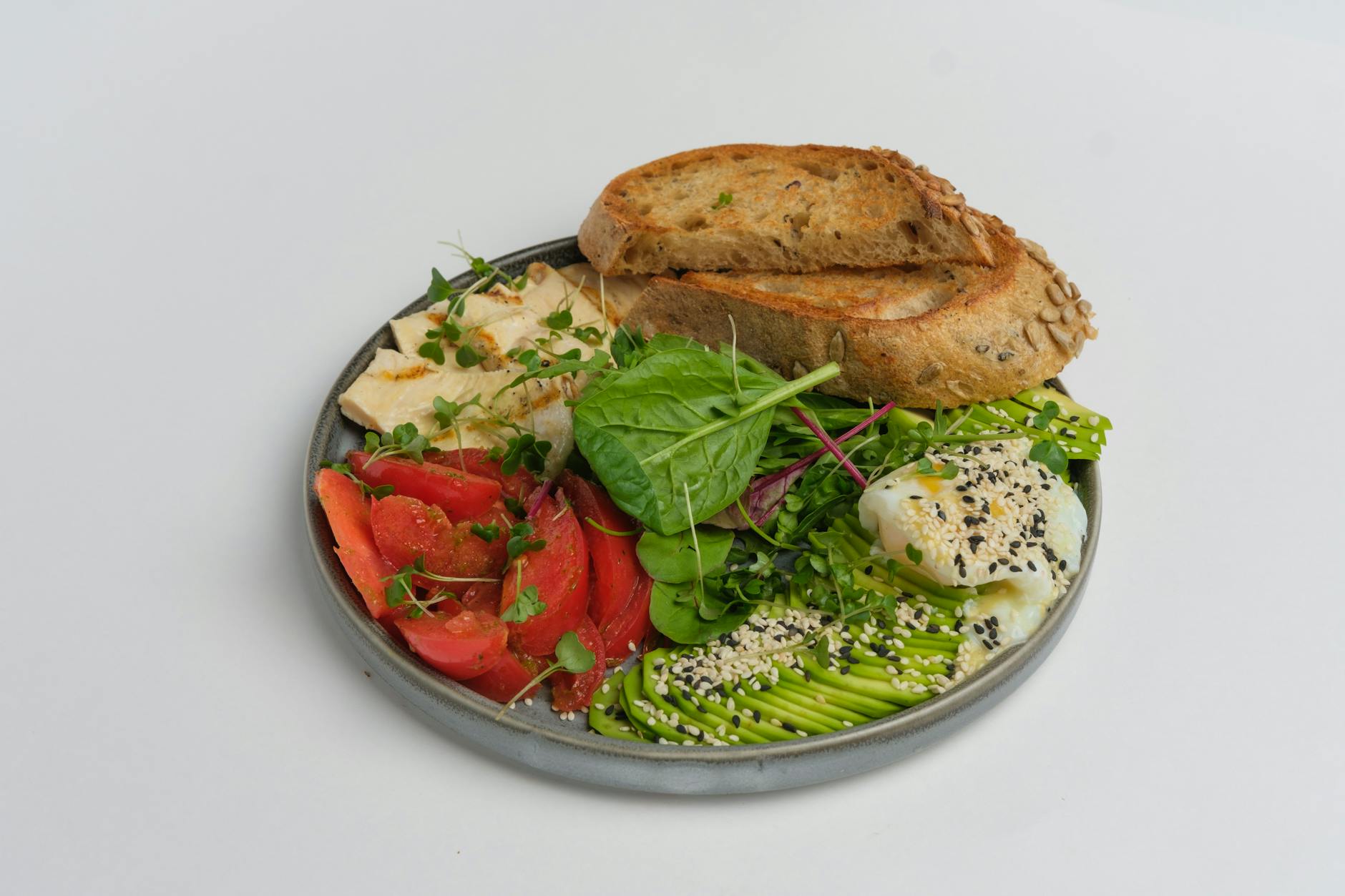
Iron deficiency affects roughly 1.6 billion people worldwide, making it the most common nutritional deficiency on the planet. Whether you follow a plant-based diet or simply struggle to hit your daily iron goals, knowing which foods high in iron to add to your plate can make a real difference in your energy, focus, and overall health. Here are ten standout options worth putting on your grocery list.
1. Red Meat
Beef is one of the most well-known and efficient sources of heme iron, the form your body absorbs most easily. A three-ounce serving of cooked ground beef provides about 2.2 milligrams of iron. Heme iron is found exclusively in animal-based foods, and research suggests it has a bioavailability rate significantly higher than its plant-based counterpart. According to PubMed, red meat is among the richest heme iron sources available. Choosing lean cuts like sirloin or tenderloin lets you get the iron benefits without excessive saturated fat. Try incorporating moderate portions of red meat into your weekly meal plan for a reliable iron boost.
2. Spinach
This leafy green is a powerhouse among plant-based foods high in iron. One cup of cooked spinach delivers roughly 6.4 milligrams of non-heme iron. While non-heme iron is not absorbed as efficiently as heme iron, pairing spinach with vitamin C-rich foods like lemon juice or tomatoes can significantly improve uptake. Spinach also offers folate, vitamin K, and antioxidants that support overall health. Tossing a generous handful into smoothies, soups, or omelets is one of the simplest ways to increase your daily iron intake without much effort.
3. Shellfish — Especially Clams
Clams are a surprisingly potent source of heme iron that many people overlook. Just three ounces of cooked clams can contain up to 23 milligrams of iron, far exceeding most other animal proteins. As noted by Cleveland Clinic, clams rank among the top heme iron sources alongside beef and chicken. Other shellfish like oysters and mussels also offer impressive amounts. If you enjoy seafood, adding shellfish to pasta dishes or chowders once or twice a week can dramatically help you meet your iron goals.
4. Lentils
Lentils are a staple in many cuisines around the world, and for good reason. One cup of cooked lentils provides approximately 6.6 milligrams of iron along with a hefty dose of fiber and plant-based protein. They cook faster than most other legumes, making them a weeknight-friendly option. Studies indicate that legumes like lentils are among the best non-heme iron sources for people who avoid meat. A simple lentil soup seasoned with cumin and squeezed with fresh lemon creates a nutrient-dense meal that supports healthy iron levels.
5. Fortified Cereals
Many breakfast cereals are fortified with iron and other essential vitamins, making them a convenient morning option. Some brands provide up to 18 milligrams of iron per serving, which is 100 percent of the daily value for many adults. Harvard Health identifies fortified grains as a significant non-heme iron source worth considering. Always check the nutrition label, as iron content varies widely between brands. Pairing your cereal with strawberries or orange juice adds vitamin C, which clinical evidence shows can enhance non-heme iron absorption considerably.
6. Pumpkin Seeds
These small, crunchy seeds pack a surprising nutritional punch. A one-ounce serving of pumpkin seeds contains about 2.3 milligrams of iron, plus magnesium, zinc, and healthy fats. They require zero cooking, which makes them an ideal on-the-go snack. Research suggests that seeds and nuts are valuable contributors to iron intake, especially for those following vegetarian or vegan diets. Sprinkle pumpkin seeds over salads, yogurt, or oatmeal for an easy iron boost that also adds satisfying texture to your meals.
7. Dark Chocolate
Here is some welcome news for chocolate lovers. A one-ounce serving of dark chocolate with 70 percent or higher cocoa content provides around 3.4 milligrams of iron. Dark chocolate also contains copper and magnesium, two minerals that support numerous bodily functions. The key is choosing varieties with high cocoa percentages and minimal added sugar. Enjoying a small square after dinner is a delicious and surprisingly effective way to contribute to your daily iron needs without feeling like you are on a restrictive health plan.
8. Tofu
Tofu is a versatile soy-based protein that has long been a staple in plant-based diets. A half-cup serving of firm tofu contains roughly 3.4 milligrams of non-heme iron. It absorbs the flavors of whatever you cook it with, making it endlessly adaptable in stir-fries, curries, scrambles, and grain bowls. Studies indicate that soy-based foods can be a dependable part of an iron-rich eating pattern. Marinating tofu in a citrus-based sauce before cooking not only adds flavor but may also help your body absorb more of the available iron.
9. Quinoa
Often praised as a superfood, quinoa is a complete protein that also delivers a solid dose of iron. One cooked cup provides about 2.8 milligrams of iron along with all nine essential amino acids. Unlike many grains, quinoa is naturally gluten-free, making it accessible to people with celiac disease or gluten sensitivity. It works beautifully as a base for salads, a side dish, or even a warm breakfast porridge. Adding diced bell peppers or a drizzle of lemon vinaigrette pairs it with vitamin C for better iron absorption.
10. Chickpeas
Chickpeas are another legume that deserves a place on any list of foods high in iron. One cup of cooked chickpeas delivers about 4.7 milligrams of iron alongside generous amounts of fiber and protein. They are incredibly versatile, starring in hummus, roasted snack bowls, salads, and stews across many cultures. Clinical evidence shows that regularly consuming legumes supports not only iron levels but also heart health and blood sugar management. Keep canned chickpeas in your pantry for a quick, iron-rich addition to virtually any meal.
Getting enough iron does not have to be complicated or boring. By mixing both heme and non-heme sources from this list into your weekly meals, you can support healthy iron levels while enjoying a varied and satisfying diet. Start by adding just two or three of these foods to your next grocery run and build from there.
Medical Disclaimer: This article is for informational purposes only and does not constitute medical advice. Always consult a qualified healthcare professional before making health decisions.




