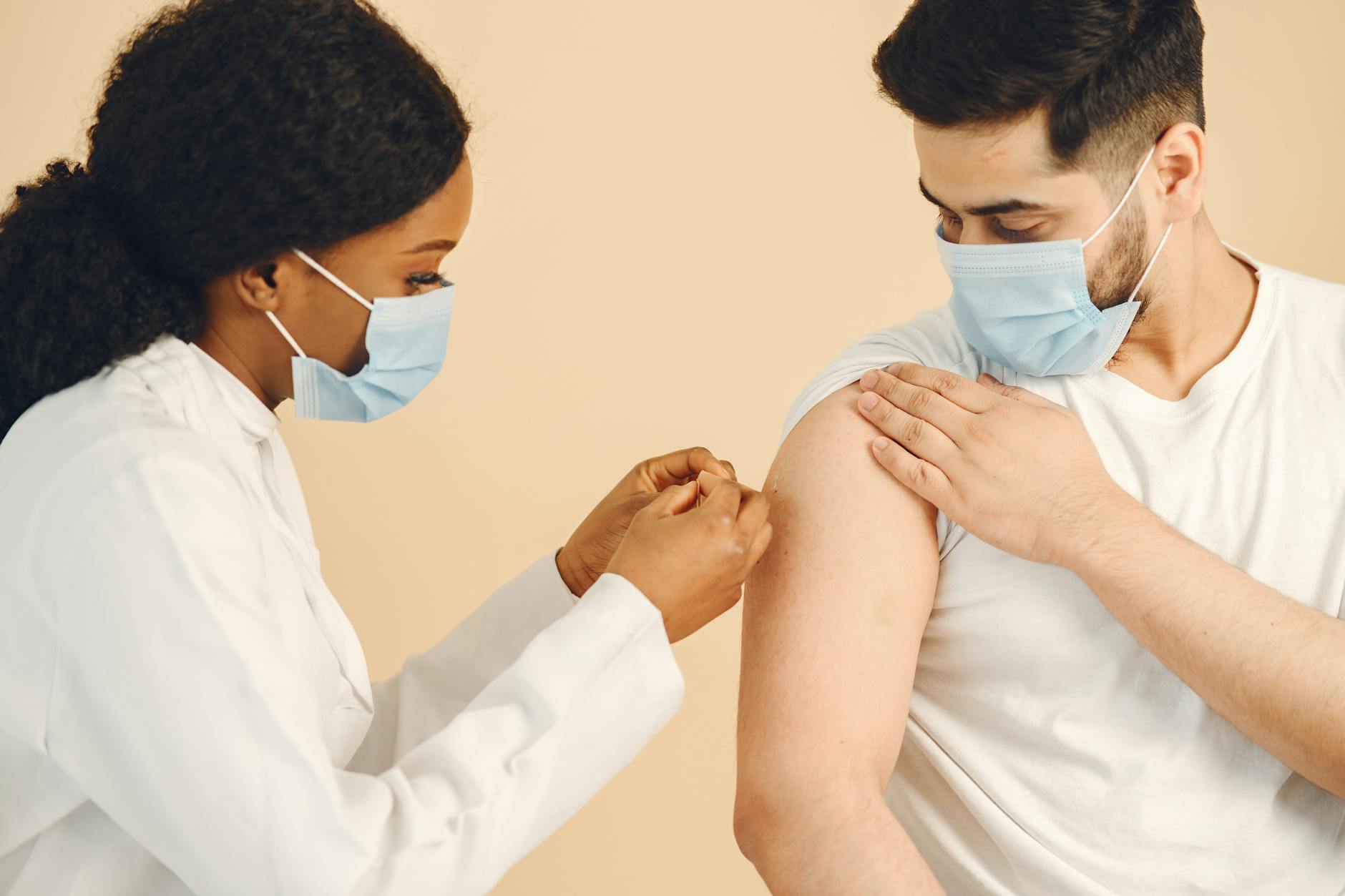
Human papillomavirus, commonly known as HPV, affects an estimated 80% of sexually active people at some point in their lives. Despite being so widespread, misconceptions about HPV persist, leaving many people unaware of key risks and protective steps. Understanding these facts may help you make more informed decisions about your health.
1. It Is the Most Common Sexually Transmitted Infection Worldwide
Human papillomavirus holds the distinction of being the most prevalent viral sexually transmitted infection on the planet. Research indicates that HPV is associated with various cancers, making awareness especially important. There are over 200 known types of HPV, and many people carry the virus without ever knowing it. Because it spreads through skin-to-skin contact, condoms reduce but do not eliminate the risk entirely. Getting vaccinated remains one of the most effective strategies for primary prevention. If you are sexually active, talk to your doctor about your HPV risk and screening options.
2. Most Infections Clear on Their Own
The good news is that the majority of HPV infections resolve without treatment. The immune system typically clears the virus within one to two years. During this window, infected individuals may have no symptoms at all. However, some infections persist, and persistent high-risk HPV strains can lead to cellular changes over time. This is exactly why routine screening matters so much. Even if you feel perfectly healthy, regular checkups help catch any lingering infections before they progress.
3. There Are High-Risk and Low-Risk Types
Not all HPV strains behave the same way. Low-risk types, such as HPV 6 and 11, are primarily responsible for genital warts. High-risk types, particularly HPV 16 and 18, are linked to serious health consequences including cancer. Studies suggest that high-risk HPV types subvert molecular pathways in ways that may lead to malignant cell growth. Knowing the difference helps explain why some infections are harmless while others require close monitoring. Ask your healthcare provider which strains your screening tests look for.
4. HPV Can Cause Several Types of Cancer
Cervical cancer is the most well-known cancer linked to HPV, but it is far from the only one. Clinical evidence shows that HPV is also connected to cancers of the throat, anus, penis, vagina, and vulva. According to researchers, HPV is the initiating force behind multiple epithelial lesions and cancers on both cutaneous and mucosal surfaces. Oropharyngeal cancers related to HPV have been rising in recent years, particularly among men. This broader cancer connection underscores why HPV prevention matters for everyone, not just women. Early vaccination and screening are powerful tools against these outcomes.
5. The Vaccine Is Highly Effective
The HPV vaccine has transformed prevention since its introduction in 2006. Current vaccines protect against the most dangerous high-risk strains along with the strains responsible for genital warts. Research suggests that vaccination programs have already reduced HPV infections and precancerous lesions in young populations. The vaccine works best when given before exposure to the virus, which is why health authorities recommend it for preteens. However, catch-up vaccination is available for individuals up to age 45 in some guidelines. Speak with your doctor about whether the HPV vaccine is appropriate for you or your child.
6. Men Are Affected Too
HPV conversations have historically focused on women and cervical cancer. Yet men carry and transmit the virus at similar rates. HPV-related penile cancer and anal cancer affect men directly, and HPV-positive oropharyngeal cancer is now more common in men than in women. Because there is no approved routine HPV screening test for men, prevention through vaccination is especially important. Many men remain undiagnosed carriers who unknowingly pass the virus to partners. Getting vaccinated and practicing safer sex are practical steps men can take to protect themselves and others.
7. You Can Have HPV for Years Without Symptoms
One of the trickiest aspects of human papillomavirus is its ability to stay silent. Many people carry the infection for months or even years without any visible signs. This latency period means someone can unknowingly transmit HPV to partners long after initial exposure. Genital warts may appear weeks to months after infection with low-risk strains, but high-risk strains rarely cause any noticeable symptoms at all. Cell changes typically happen slowly and silently over many years. Regular Pap smears and HPV co-testing are the most reliable ways to detect hidden infections early.
8. Pap Smears and HPV Tests Are Different
Many people assume a Pap smear checks for HPV, but the two tests serve different purposes. A Pap smear looks for abnormal cervical cell changes that might indicate precancer. An HPV test specifically identifies the presence of high-risk HPV strains in cervical cells. Current guidelines often recommend co-testing, which combines both exams for a more complete picture. Women aged 30 and older especially benefit from this dual approach. Talk to your gynecologist about which screening schedule makes sense for your age and risk profile.
9. Your Immune System Is Your Best Defense Against Persistent Infection
A healthy immune system plays a crucial role in fighting off HPV naturally. People with weakened immunity, such as those living with HIV or taking immunosuppressive medications, face a higher risk of persistent infections and related complications. Lifestyle factors like adequate sleep, balanced nutrition, regular exercise, and not smoking may support immune function. Smoking, in particular, has been identified as a co-factor that increases cervical cancer risk in HPV-positive individuals. While no supplement or diet can guarantee clearance of the virus, supporting your overall health gives your body the best chance. Focus on immune-friendly habits as a complement to medical prevention.
10. HPV-Related Cancers Are Largely Preventable
Perhaps the most empowering fact about human papillomavirus is that related cancers are among the most preventable worldwide. Vaccination, regular screening, and early treatment of precancerous lesions form a powerful three-pronged defense. Countries with robust HPV vaccination programs have already seen significant declines in cervical precancer rates among young women. As noted by NCBI/NIH, HPV drives cancer through specific viral proteins called E6 and E7, but catching changes early can interrupt this process. The tools exist today to dramatically reduce the burden of HPV-related disease. Take advantage of them by staying current on vaccinations and screenings.
Human papillomavirus is far more complex than most people realize, but knowledge is a powerful form of protection. Whether it is getting vaccinated, scheduling regular screenings, or supporting your immune health, small proactive steps can make a meaningful difference. Talk to your healthcare provider today about developing an HPV prevention plan that is right for you.
Medical Disclaimer: This article is for informational purposes only and does not constitute medical advice. Always consult a qualified healthcare professional before making health decisions.




