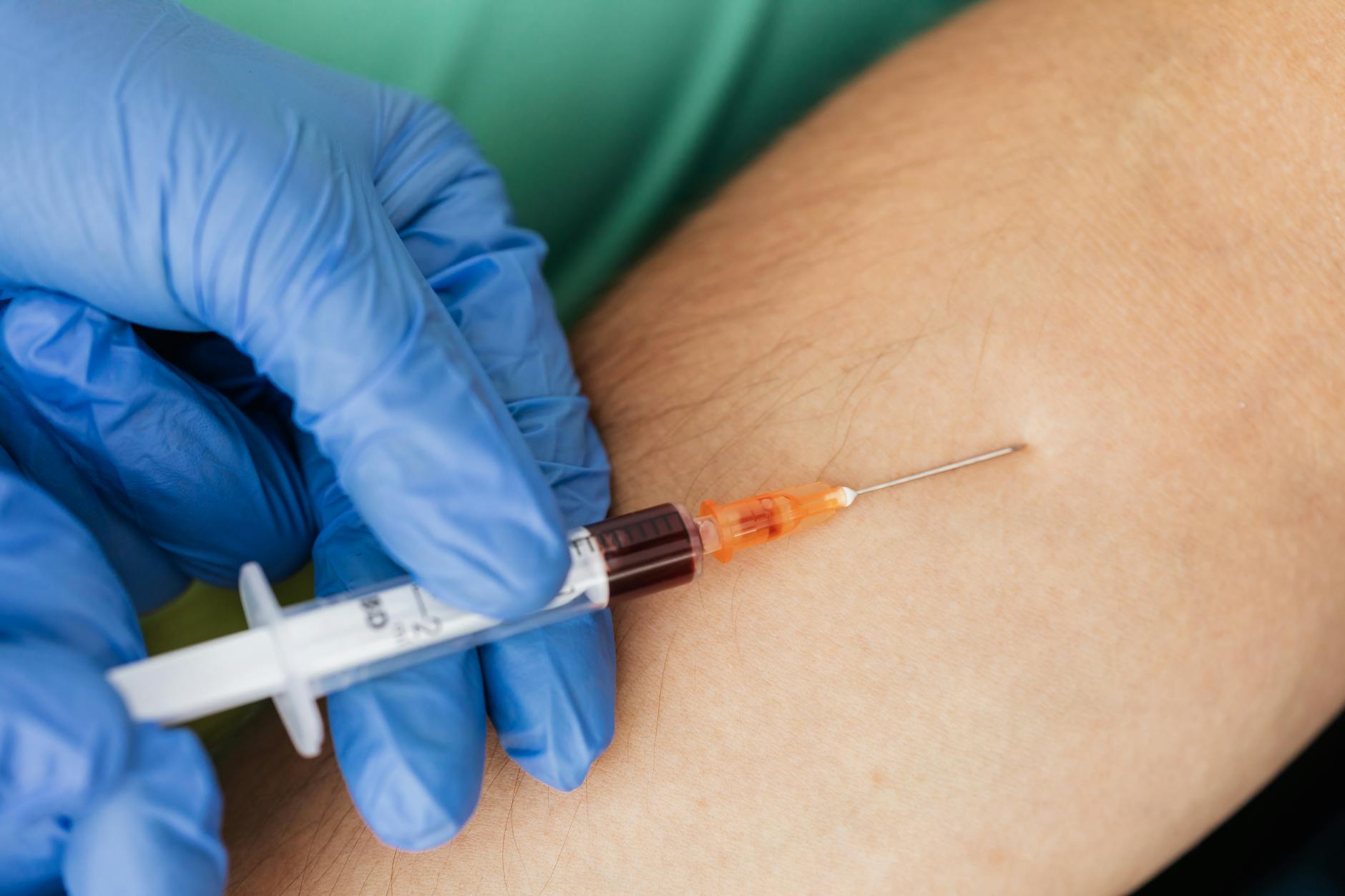
Calcium plays a critical role in muscle function, nerve signaling, and heart rhythm — so when blood levels drop too low, your body notices quickly. According to the National Institutes of Health, hypocalcemia is characterized by abnormally low calcium levels in the blood and can significantly impact overall health and well-being. Recognizing the warning signs early may help you get the treatment you need before complications develop.
1. Muscle Cramps and Spasms
One of the earliest and most recognizable signs of hypocalcemia is involuntary muscle cramping. Calcium is essential for proper muscle contraction and relaxation. When blood calcium dips too low, your muscles may tighten unexpectedly and painfully. These cramps often strike in the legs and feet, especially at night. Some people also notice twitching in the facial muscles or hands. Research suggests this happens because low calcium increases the excitability of nerve fibers that control muscles. If you experience frequent, unexplained cramps that don’t improve with stretching or hydration, it may be worth asking your doctor to check your calcium levels through a simple blood test.
2. Tingling and Numbness
A pins-and-needles sensation around the mouth, fingertips, or toes is a hallmark symptom of low blood calcium. This tingling, known medically as paresthesia, occurs because calcium helps regulate how nerves transmit signals. Without enough of it, nerves become overly sensitive and fire at inappropriate times. The sensation can come and go, or it may persist and worsen over time. Many people mistake it for poor circulation or anxiety. If you notice tingling paired with other symptoms on this list, it could point to hypocalcemia rather than something benign. Bring it up with your healthcare provider for proper evaluation.
3. Fatigue and Weakness
Persistent tiredness that doesn’t improve with rest can sometimes be traced back to low calcium. Your muscles rely on calcium for energy production at the cellular level. When levels are low, even simple tasks like climbing stairs may feel exhausting. This fatigue often comes with a general sense of heaviness in the limbs. Clinical research indicates that chronic hypocalcemia is commonly linked to inadequate parathyroid hormone or vitamin D levels, both of which can compound feelings of weakness. If unexplained fatigue lingers for weeks, consider discussing a full metabolic panel with your doctor.
4. Difficulty Swallowing
Though less commonly recognized, some people with hypocalcemia experience a tightness in the throat that makes swallowing feel difficult. This symptom is related to spasms in the muscles of the throat and esophagus. It can feel alarming and is sometimes confused with anxiety or acid reflux. The medical term for this involuntary throat spasm is laryngospasm, and in severe cases it can affect breathing. It tends to occur when calcium levels drop significantly. This is one of the more serious warning signs and warrants prompt medical attention. Don’t dismiss persistent swallowing difficulty — let a healthcare professional rule out hypocalcemia and other causes.
5. Mood Changes and Anxiety
Calcium doesn’t just support your bones — it also plays a role in brain chemistry. Low levels have been associated with increased irritability, anxiety, and even depression. Studies suggest that calcium helps regulate neurotransmitters that influence mood and emotional stability. When blood calcium drops, some people notice they feel unusually anxious or emotionally fragile for no clear reason. Brain fog and difficulty concentrating may also accompany these mood shifts. While mental health symptoms have many potential causes, hypocalcemia is one that’s easily tested for and treatable. If you experience sudden mood changes alongside physical symptoms, mention it to your doctor.
6. Brittle Nails and Dry Skin
Your nails, skin, and hair can all reflect what’s happening inside your body. Chronically low calcium may lead to nails that break easily, skin that feels unusually dry, and hair that becomes coarse or thin. These changes develop gradually, so they’re easy to attribute to aging or weather. However, when they appear alongside other signs of hypocalcemia, they may point to a deeper nutritional or hormonal imbalance. Calcium supports the structural integrity of many tissues beyond bone. Paying attention to these subtle external clues can sometimes lead to an earlier diagnosis. A dermatologist or primary care doctor can help connect the dots.
7. Heart Palpitations
Calcium is a key player in maintaining a regular heartbeat. It helps coordinate the electrical signals that tell your heart when to contract. When levels drop, some people experience palpitations — a fluttering, racing, or skipping sensation in the chest. In more severe cases, hypocalcemia can lead to measurable changes on an electrocardiogram. These heart rhythm disturbances are one reason doctors take low calcium seriously. Research in critical care settings has documented how disruptions in calcium metabolism can affect cardiovascular function. If you notice unexplained palpitations, seek medical evaluation promptly rather than waiting for them to resolve on their own.
8. Seizures
In severe cases of hypocalcemia, seizures can occur. This happens because calcium helps stabilize the electrical activity in your brain. A significant drop in blood calcium lowers the threshold for abnormal firing of neurons. Seizures related to low calcium can affect people of all ages, including infants and older adults. They may be the first dramatic sign that calcium levels have become dangerously low. This is considered a medical emergency that requires immediate treatment, often involving intravenous calcium. If someone around you has a seizure without a known seizure disorder, emergency care is essential — and clinicians will likely check electrolyte levels, including calcium, right away.
9. Dental Problems
Your teeth depend on calcium for strength, just like your bones. When the body is chronically low in calcium, it may pull minerals from teeth and bones to maintain critical blood levels. Over time, this can lead to weakened enamel, increased cavities, and even tooth fractures. Children with hypocalcemia may experience delayed or abnormal tooth development. Adults might notice their teeth becoming more sensitive or prone to chipping. Dentists sometimes spot the oral effects of calcium deficiency before other symptoms become obvious. If your dentist flags unusual enamel weakening, it may be worth investigating your calcium and vitamin D status with your primary care doctor.
10. Osteoporosis Risk
Prolonged hypocalcemia forces your body to borrow calcium from your bones to keep blood levels functional. Over months or years, this borrowing weakens bone density and raises your risk of osteoporosis and fractures. Research suggests that many people with chronic low calcium don’t realize their bones are thinning until a fracture occurs. Postmenopausal women and older adults are especially vulnerable to this silent process. A bone density scan can reveal early changes before a break happens. Addressing the underlying cause of hypocalcemia — whether it’s a parathyroid issue, vitamin D deficiency, or another factor — is essential for protecting long-term skeletal health. Talk to your doctor about screening if you have known risk factors.
Hypocalcemia affects far more than your bones — it can influence everything from your mood to your heartbeat. If you recognized several of these signs in yourself, schedule a conversation with your healthcare provider and ask about a simple blood calcium test. Early detection and the right treatment plan can make a meaningful difference in how you feel every day.
Medical Disclaimer: This article is for informational purposes only and does not constitute medical advice. Always consult a qualified healthcare professional before making health decisions.




