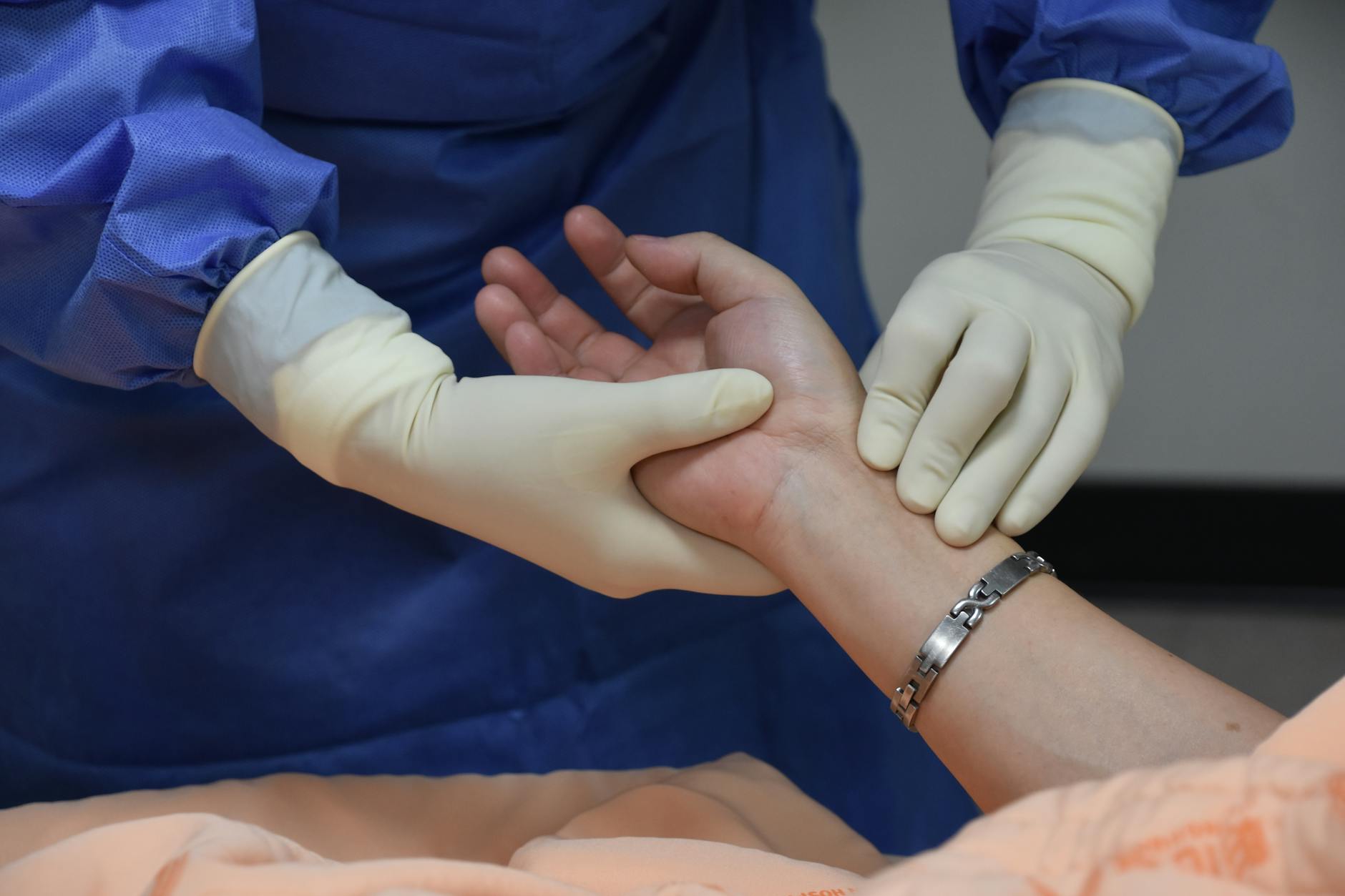
Carpal tunnel syndrome affects an estimated 3 to 6 percent of the general adult population, making it one of the most common nerve compression disorders worldwide. Recognizing carpal tunnel symptoms early can help you seek treatment before the condition worsens and potentially causes permanent nerve damage. Below are 10 key signs that may point to carpal tunnel syndrome.
1. Numbness in the Thumb, Index, and Middle Fingers
The hallmark of carpal tunnel syndrome is numbness concentrated in specific fingers. The median nerve runs through the carpal tunnel in your wrist and supplies sensation to a defined area. According to NIH, this condition is characterized by numbness affecting the thumb, index finger, middle finger, and the thumb-facing side of the ring finger. The pinky finger is typically spared because it receives signals from a different nerve entirely. If you notice recurring numbness in these specific fingers, it is worth bringing up with your doctor sooner rather than later.
2. Tingling or “Pins and Needles” Sensation
Many people describe their first carpal tunnel symptom as a persistent tingling feeling, much like their hand has fallen asleep. This pins-and-needles sensation often starts gradually. It may come and go at first, especially during activities like typing or holding a phone. Research suggests that over 50 percent of patients with confirmed carpal tunnel syndrome report tingling or numbness that can sometimes spread beyond the expected fingers. Shaking your hand vigorously may provide brief relief, but the tingling tends to return with increasing frequency over time.
3. Nighttime Pain and Discomfort
One of the most telling carpal tunnel symptoms is pain that wakes you up at night. Many people unknowingly sleep with bent wrists, which increases pressure on the median nerve inside the narrow carpal tunnel. This nocturnal pain can range from a dull ache to a sharp, burning sensation that radiates through the hand and fingers. Clinical evidence shows that nighttime symptoms are so common they are considered a strong predictor of the condition during diagnostic testing. Wearing a wrist splint at night may help keep the joint in a neutral position and reduce discomfort.
4. Pain Radiating Up the Forearm
Carpal tunnel syndrome does not always stay confined to the hand. Studies indicate that the typical initial signs include pain and paresthesias that can radiate up the forearm, sometimes reaching the elbow. This traveling pain happens because the median nerve extends well beyond the wrist. People often mistake this forearm ache for a muscle strain or repetitive stress injury. If hand symptoms accompany the forearm pain, carpal tunnel syndrome becomes a more likely explanation worth exploring with a healthcare provider.
5. Weak Grip Strength
You might notice that jars are harder to open or that objects slip from your grasp more easily than before. Grip weakness develops because the median nerve helps control muscles at the base of the thumb. As compression on the nerve increases, those muscles receive weaker signals and cannot generate the same force. This symptom tends to appear after numbness and tingling have been present for some time. Paying attention to subtle changes in your grip can help catch the condition before significant muscle loss occurs.
6. Difficulty with Fine Motor Tasks
Buttoning a shirt, picking up coins, or threading a needle may become surprisingly frustrating. Carpal tunnel syndrome can diminish the precision and dexterity in your fingers. This happens partly from reduced sensation and partly from weakened thumb muscles controlled by the median nerve. Many people describe feeling clumsy with their hands without understanding why. If everyday tasks that require finger coordination have become noticeably harder, consider whether other carpal tunnel symptoms are also present.
7. Burning Sensation in the Palm
A burning or warm feeling in the palm of your hand is another symptom linked to median nerve compression. This uncomfortable sensation often accompanies the numbness and tingling but can sometimes appear on its own. The burning tends to be most noticeable along the palm directly over the carpal tunnel area, near the base of the thumb. Some people also notice their hand feels swollen even when no visible swelling is present. Tracking when this burning sensation occurs can help your doctor determine the right next steps.
8. Symptoms Triggered by Repetitive Activities
Certain activities can bring on or intensify carpal tunnel symptoms quickly. Typing, using a mouse, gripping a steering wheel, or holding a book are common triggers. These positions involve sustained wrist flexion or extension, which narrows the carpal tunnel further. The resulting increase in pressure on the median nerve produces immediate numbness, tingling, or pain. Taking short breaks to stretch and straighten your wrists every 20 to 30 minutes during repetitive tasks may help reduce symptom flare-ups throughout the day.
9. The “Flick Sign”
If you find yourself instinctively shaking or flicking your wrist to relieve hand discomfort, you are demonstrating what clinicians call the flick sign. This reflexive motion is remarkably common in people with carpal tunnel syndrome. It works temporarily because shaking the hand can shift the position of the median nerve and briefly reduce pressure. Healthcare providers actually consider the flick sign a useful diagnostic clue during clinical evaluations. While it offers momentary relief, relying on it means the underlying compression is likely progressing and deserves medical attention.
10. Muscle Wasting at the Base of the Thumb
In advanced cases that go untreated for months or years, the fleshy pad of muscle at the base of the thumb can visibly shrink. This is called thenar atrophy, and it represents significant, sometimes irreversible nerve damage. The median nerve supplies these muscles, and prolonged compression essentially starves them of proper signaling. This symptom is a serious warning that the condition has progressed well beyond its early stages. Seeking prompt evaluation at the first signs of hand weakness can help prevent reaching this advanced point.
Carpal tunnel symptoms often start subtly and worsen gradually, which makes them easy to dismiss until they interfere with daily life. If you recognize several of these signs in your own experience, scheduling an evaluation with a healthcare provider is the smartest next step toward protecting your hand function and quality of life.
Medical Disclaimer: This article is for informational purposes only and does not constitute medical advice. Always consult a qualified healthcare professional before making health decisions.




