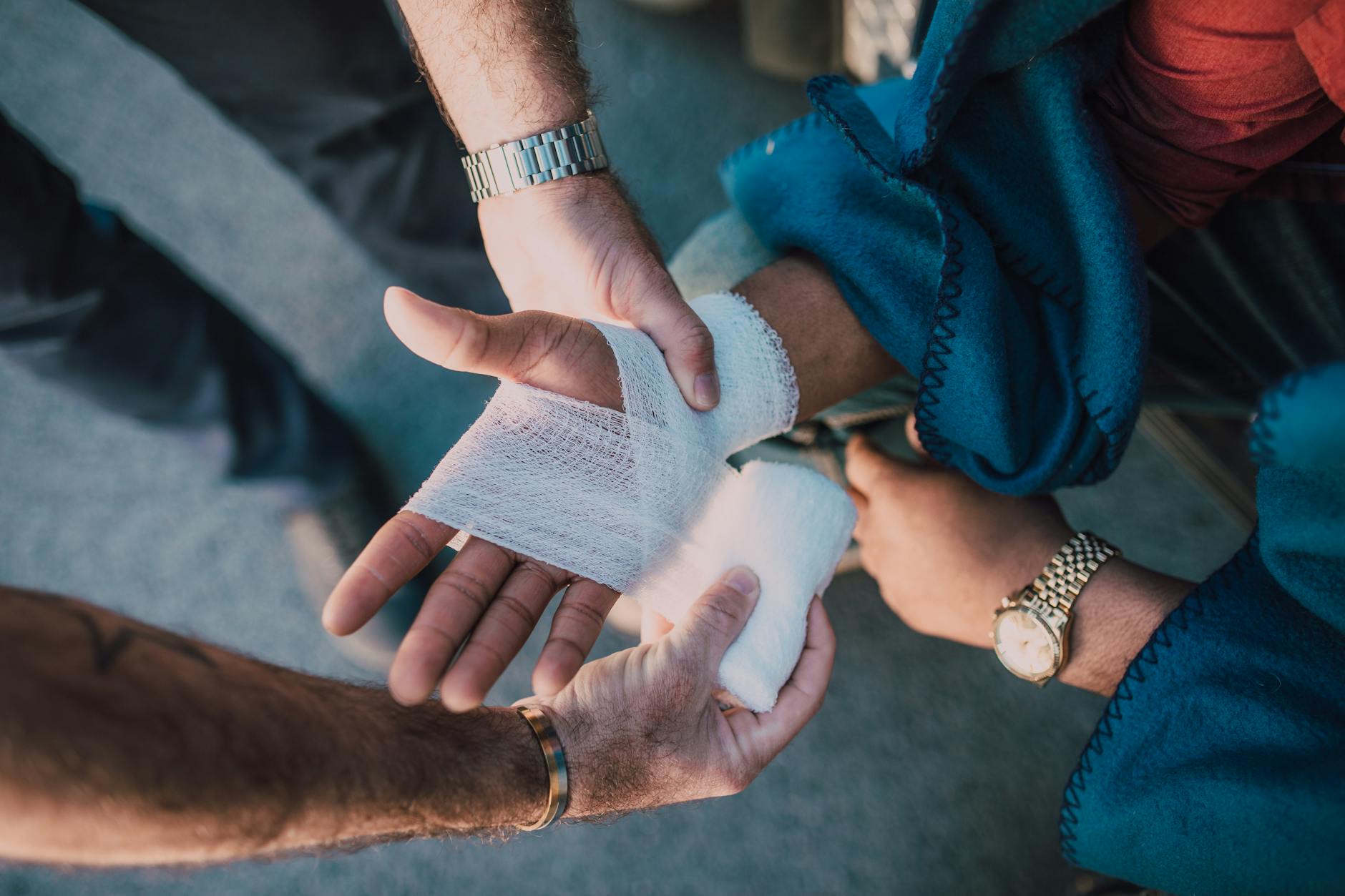
Carpal tunnel syndrome is the most common peripheral nerve entrapment condition, affecting an estimated 3 to 6 percent of adults. It develops when the median nerve gets compressed as it passes through the narrow carpal tunnel in your wrist, triggering a cascade of uncomfortable symptoms. Recognizing these signs early can make a real difference in how well conservative treatments work and whether you can avoid surgery down the road.
1. Tingling in the Fingers
One of the earliest and most recognizable carpal tunnel syndrome symptoms is a tingling or pins-and-needles sensation in your fingers. This tingling typically affects the thumb, index finger, middle finger, and the thumb-side half of the ring finger. These are the exact areas supplied by the median nerve. The sensation often starts intermittently, perhaps while holding a phone or gripping a steering wheel. Over time, it can become more persistent and harder to shake off. Research indicates that this median nerve compression disrupts normal nerve signaling, which is what creates that familiar electric-buzz feeling. If you notice tingling that keeps coming back, it is worth mentioning to your doctor sooner rather than later.
2. Numbness in the Hand
Numbness goes a step beyond tingling. When the median nerve stays compressed for prolonged periods, the tingling can fade into a loss of sensation altogether. You might struggle to feel textures or notice temperature changes in your fingertips. Many people first realize something is wrong when they drop small objects without understanding why. This numbness tends to follow the same finger pattern as the tingling. It may come and go early on, but persistent numbness suggests the nerve compression is progressing. Paying attention to this symptom can help you seek treatment before permanent nerve damage sets in.
3. Nighttime Symptom Flare-Ups
Waking up in the middle of the night with burning, tingling, or numb hands is a hallmark of carpal tunnel syndrome. Many people sleep with their wrists flexed, which narrows the carpal tunnel and increases pressure on the nerve. This is why symptoms often peak between midnight and early morning. You might find yourself shaking your hands vigorously to restore feeling. According to a clinical review, these nocturnal symptoms are among the most commonly reported complaints. Wearing a wrist splint at night is a simple strategy that may help keep your wrist in a neutral position and reduce flare-ups.
4. Weakness in Grip Strength
A weakening grip can be one of the more frustrating symptoms of carpal tunnel syndrome. You might notice difficulty opening jars, turning doorknobs, or holding a coffee mug securely. This happens because the median nerve controls some of the small muscles at the base of your thumb. When the nerve is compressed, those muscles do not receive proper signals. Over time, this weakness can interfere with everyday tasks at work and at home. Grip strength loss usually develops gradually, so many people attribute it to aging or fatigue. If your grip feels unreliable, it is a good reason to get your wrists evaluated.
5. Pain That Radiates Up the Arm
While carpal tunnel syndrome originates in the wrist, the pain does not always stay there. Some people experience aching or sharp discomfort that travels from the wrist up through the forearm, and occasionally to the elbow or shoulder. This radiating pain can make it tricky to pinpoint the source. It often gets confused with conditions like tennis elbow or cervical radiculopathy. The key difference is that carpal tunnel pain typically follows that characteristic pattern in the thumb-side fingers. Keeping a symptom journal that notes when and where pain appears can help your healthcare provider make a more accurate diagnosis.
6. Burning Sensation in the Palm
A burning feeling in the palm of your hand, particularly near the base of the thumb, is another telltale sign. This symptom results from irritation and inflammation of the median nerve as it passes through the carpal tunnel. The burning can feel constant or may flare up during repetitive hand activities like typing or assembly work. Some people describe it as a warm, uncomfortable pressure beneath the skin. Studies suggest that this type of nerve irritation responds well to early conservative treatments such as splinting and corticosteroid injections. Addressing the burning early may help prevent it from becoming a chronic issue.
7. Difficulty with Fine Motor Tasks
Buttoning a shirt, threading a needle, or typing on a keyboard can become surprisingly difficult with carpal tunnel syndrome. The median nerve plays a critical role in the precise movements of your thumb and first two fingers. When it is compromised, fine motor control suffers. You might notice more typos when you type or struggle to pick up coins from a flat surface. These subtle changes in dexterity often develop slowly. People frequently adapt unconsciously by using different fingers or both hands. Recognizing this decline in coordination is important because it can signal that the nerve compression is worsening.
8. Swelling Sensation Without Visible Swelling
Many people with carpal tunnel syndrome report that their fingers feel swollen or puffy, even when they look completely normal. This phantom swelling sensation is caused by disrupted nerve signals rather than actual fluid buildup. It can make your fingers feel stiff and clumsy, especially in the morning. The feeling may extend across the entire hand or concentrate around the thumb and index finger. This symptom often puzzles people because there is nothing visible to explain it. If your hands feel swollen but look fine, carpal tunnel syndrome could be the underlying cause worth investigating.
9. Thumb Muscle Wasting
In more advanced cases, the fleshy pad of muscle at the base of the thumb can visibly shrink. This condition is called thenar atrophy, and it happens when the median nerve has been compressed for a long time without treatment. The muscles literally waste away because they are not receiving adequate nerve input. Thenar atrophy is a serious sign that suggests significant nerve damage has already occurred. Clinical evidence shows that once muscle wasting begins, non-surgical treatments may offer limited long-term benefit, and surgery is more likely to be recommended. This is why early detection of milder symptoms matters so much.
10. Symptoms Triggered by Repetitive Activities
Repetitive hand and wrist motions are one of the best-known triggers for carpal tunnel symptoms. Activities like typing, using a computer mouse, playing instruments, or working on an assembly line can aggravate the condition. Vibrating tools are another common culprit. You might notice symptoms intensify during or shortly after these activities. Holding your wrist in a flexed or extended position for long stretches also increases pressure inside the carpal tunnel. Taking regular breaks, stretching your hands, and keeping your wrist in a neutral position during repetitive tasks are practical steps that may help manage symptom flare-ups throughout the day.
Carpal tunnel syndrome symptoms range from mildly annoying tingling to serious muscle wasting, and they tend to progress if left unaddressed. If you are experiencing any combination of these signs, schedule an appointment with your healthcare provider for a proper evaluation. Early intervention gives you the best chance of managing symptoms effectively and protecting your hand function for the long term.
Medical Disclaimer: This article is for informational purposes only and does not constitute medical advice. Always consult a qualified healthcare professional before making health decisions.




