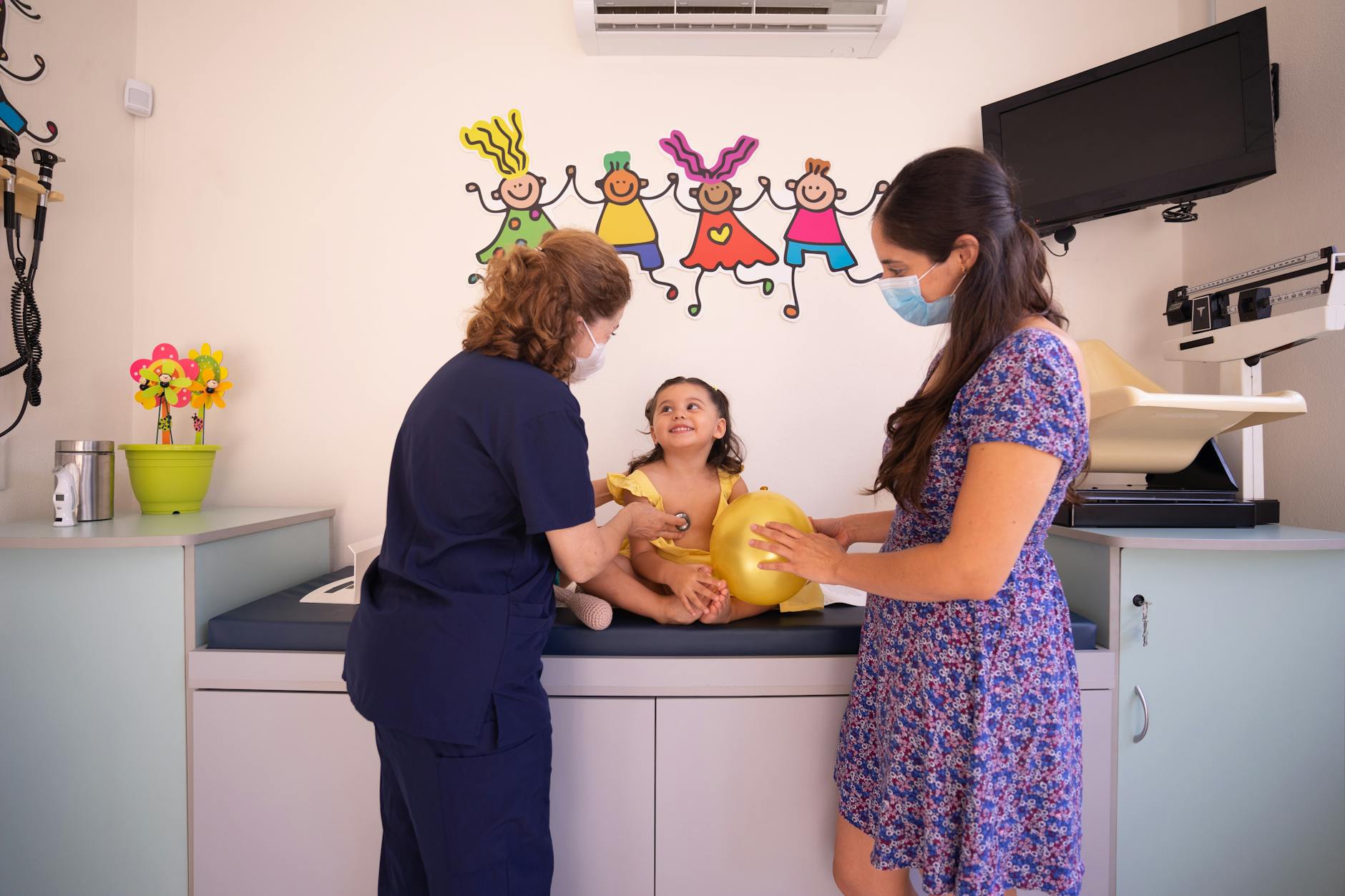
Kawasaki disease affects thousands of children each year, primarily those under the age of five, making it one of the leading causes of acquired heart disease in kids. Understanding this condition early can make a significant difference in outcomes, especially since timely treatment may help protect a child’s heart. Here are ten important facts about kawasaki disease that every parent and caregiver should have on their radar.
1. It Primarily Strikes Young Children
Kawasaki disease overwhelmingly targets children under five years old, though it can occasionally appear in older kids and, rarely, in adults. Boys are affected slightly more often than girls. The condition causes inflammation of blood vessels throughout the body, with a particular threat to the coronary arteries that supply the heart. As noted by the NIH, kawasaki disease is classified as an acute, self-limited medium vessel vasculitis that primarily targets the coronary arteries. If you notice a persistent high fever in a young child lasting more than five days, it warrants a prompt visit to a healthcare provider.
2. The Exact Cause Remains Unknown
Despite decades of research, scientists still have not pinpointed a single cause for kawasaki disease. Leading theories suggest it may involve an abnormal immune response triggered by an infection in genetically susceptible children. Environmental factors, seasonal patterns, and geographic clusters offer clues but no definitive answers. This mystery makes awareness even more critical, because parents cannot prevent it — they can only recognize symptoms early and seek medical care quickly.
3. A Persistent High Fever Is the Hallmark Symptom
The most telling sign of kawasaki disease is a fever of 102°F or higher that lasts five days or more and does not respond well to typical fever-reducing medications. This fever is often the first symptom parents notice. It can seem like a stubborn infection at first, which sometimes delays diagnosis. If your child has a prolonged, unexplained fever, ask the pediatrician whether kawasaki disease should be considered.
4. It Comes With a Cluster of Distinctive Symptoms
Beyond the fever, kawasaki disease often produces a recognizable pattern of symptoms. These may include red, bloodshot eyes without discharge, swollen or cracked lips, a strawberry-red tongue, swollen hands and feet, and a rash on the trunk or groin area. Swollen lymph nodes in the neck may also appear. Not every child develops all of these symptoms, which is why diagnosis can be tricky. Keeping a written log of your child’s symptoms and their timeline can help the doctor make a faster assessment.
5. Early Treatment Can Protect the Heart
The standard first-line treatment for kawasaki disease is intravenous immunoglobulin, commonly called IVIG, combined with high-dose aspirin. Research suggests that initial IVIG therapy resolves symptoms in roughly 80 to 90 percent of patients and significantly reduces the risk of coronary artery damage. Aspirin is one of the rare situations where it is prescribed for children, specifically to reduce inflammation and prevent blood clots. Starting treatment within the first ten days of illness — ideally sooner — offers the best chance of protecting coronary artery health.
6. Some Children Do Not Respond to Standard Therapy
While most kids respond well to initial treatment, studies indicate that approximately 10 to 20 percent of kawasaki disease patients are considered IVIG-resistant. These children may continue to have fevers after their first IVIG infusion. According to recent research, this resistance has driven the search for newer therapies, including corticosteroids and biologic agents like infliximab. Parents of children who do not improve after initial treatment should work closely with a pediatric specialist to explore next-step options.
7. It Is the Leading Cause of Acquired Heart Disease in Children
In developed countries, kawasaki disease has surpassed rheumatic fever as the top cause of acquired heart disease among children. Without treatment, up to 25 percent of affected children may develop coronary artery aneurysms — dangerous bulges in the blood vessel walls. Even with treatment, a small percentage can still develop heart complications. This is precisely why early diagnosis and aggressive treatment are so important for long-term cardiovascular health.
8. There Is No Single Diagnostic Test
One of the biggest challenges with kawasaki disease is that no blood test, imaging scan, or swab can definitively confirm it. Diagnosis relies on clinical criteria — meaning doctors look at the combination of symptoms and rule out other conditions. Blood work may reveal elevated inflammation markers, low red blood cell counts, and abnormal liver function. An echocardiogram is often performed to check the coronary arteries. Parents should not hesitate to seek a second opinion if their child’s symptoms match the profile but a diagnosis has not been made.
9. Long-Term Follow-Up May Be Necessary
Children who develop coronary artery changes during kawasaki disease typically need ongoing cardiac monitoring, sometimes for years. Follow-up echocardiograms help doctors track any aneurysms and assess whether they are resolving, stable, or worsening. Some children may require long-term aspirin therapy or even blood-thinning medications. Even kids who respond well to treatment and show no initial heart damage may benefit from at least one follow-up heart check. Discuss a long-term monitoring plan with your child’s cardiologist after the acute phase resolves.
10. Research Is Opening Doors to Better Treatments
Scientists continue to make strides in understanding kawasaki disease. Clinical evidence shows that mouse models of the disease have advanced understanding of its immunopathology and cardiovascular complications, helping researchers develop treatments beyond IVIG for resistant cases. Ongoing trials are evaluating agents such as infliximab and other immunomodulators. While there is still no cure or vaccine, the trajectory of research is promising. Staying informed about emerging therapies can help parents advocate effectively for their child’s care.
Kawasaki disease can be frightening, but knowledge is a powerful tool for any parent. Recognizing the symptoms early and acting quickly gives children the best chance at a full recovery with minimal heart complications. If your child develops a persistent high fever along with any of the classic signs, contact your pediatrician right away — early intervention truly matters.
Medical Disclaimer: This article is for informational purposes only and does not constitute medical advice. Always consult a qualified healthcare professional before making health decisions.




