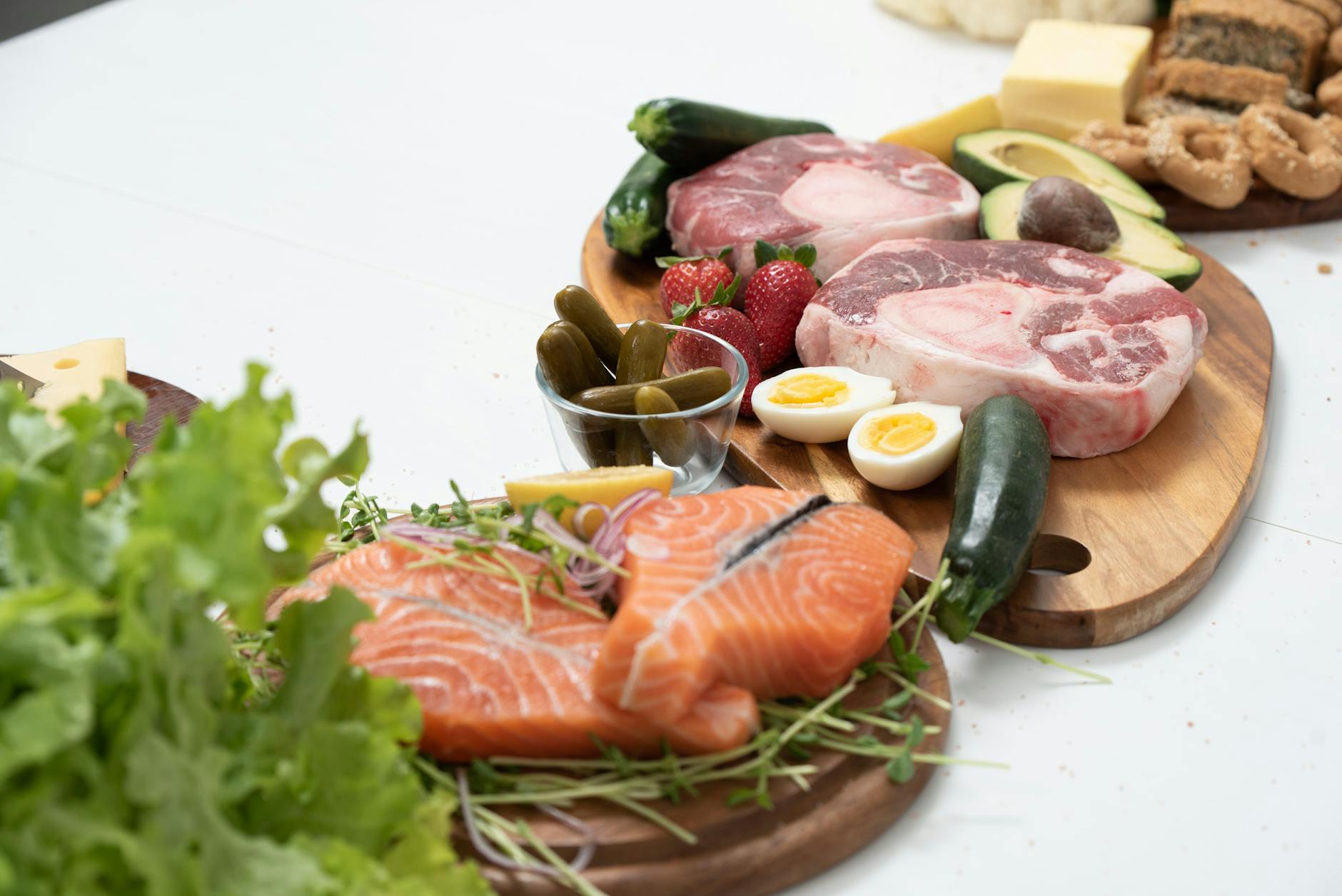
The ketogenic diet has surged in popularity over the past decade, with millions of people worldwide adopting this high-fat, low-carb approach to eating. Choosing the right keto diet foods is the foundation of reaching and maintaining ketosis, a metabolic state where your body burns fat for fuel instead of glucose. Understanding which foods belong on your plate can help you stay on track, feel satisfied, and support your long-term health goals.
1. Avocados
Few foods are as perfectly suited for the ketogenic lifestyle as the avocado. One medium avocado contains roughly 15 grams of heart-healthy monounsaturated fat and only about 3 grams of net carbs. Avocados are also packed with potassium, a mineral many keto dieters fall short on due to reduced fruit and grain intake. Research suggests that the ketogenic diet aids weight loss and reduces visceral adiposity, and avocados complement this process by providing satiating fats that help curb hunger. Slice them onto salads, blend them into smoothies, or simply eat them with a sprinkle of sea salt for a quick keto-friendly snack.
2. Eggs
Eggs are one of the most versatile and affordable keto diet foods you can buy. Each large egg delivers about 5 grams of fat and 6 grams of protein with less than 1 gram of carbohydrates. They are also a rich source of choline, which supports brain health and liver function. Studies indicate that eating eggs at breakfast may promote greater satiety throughout the morning compared to high-carb alternatives. Scrambled, poached, boiled, or baked into a frittata, eggs adapt to nearly any meal and keep your macros firmly in the keto zone.
3. Olive Oil
Extra virgin olive oil is a cornerstone fat in many healthy eating patterns, and it fits seamlessly into a ketogenic framework. It is rich in oleic acid, a monounsaturated fat linked to reduced inflammation and improved heart health markers. A single tablespoon provides about 14 grams of fat with zero carbohydrates. Use it generously as a salad dressing base, drizzle it over roasted vegetables, or use it for low-heat sautéing. Keeping a quality bottle of olive oil on your counter makes it easy to boost your healthy fat intake at every meal.
4. Fatty Fish
Salmon, mackerel, sardines, and other fatty fish are powerhouse keto diet foods loaded with omega-3 fatty acids. These essential fats may support cardiovascular health, reduce systemic inflammation, and promote healthy brain function. A typical serving of wild-caught salmon offers about 13 grams of fat and zero carbs. According to an umbrella review evaluating ketogenic diet outcomes, combining quality fats like omega-3s with very low-carb intake may positively influence blood lipid profiles. Aim to include fatty fish in your weekly rotation at least two to three times for maximum benefit.
5. Cheese
Good news for cheese lovers — most varieties are naturally low in carbohydrates and high in satisfying fat. Cheddar, gouda, brie, and cream cheese each contain less than 1 gram of carbs per ounce. Cheese also provides calcium, protein, and conjugated linoleic acid, a fatty acid that clinical evidence suggests may support body composition. It works as a snack on its own, a topping for keto casseroles, or a creamy addition to sauces. Just be mindful of portion sizes, since calories can add up quickly when cheese is your go-to comfort food.
6. Nuts and Seeds
Almonds, walnuts, pecans, chia seeds, and flaxseeds offer an excellent combination of healthy fats, fiber, and micronutrients. Most nuts contain between 1 and 4 grams of net carbs per ounce, making them a convenient keto-friendly snack. Flaxseeds and chia seeds are especially notable for their high fiber content, which supports digestive health on a low-carb plan. The key is choosing raw or dry-roasted varieties and avoiding those coated in sugar or honey. Keep a small container of mixed nuts at your desk or in your bag for an easy on-the-go option.
7. Leafy Green Vegetables
Spinach, kale, arugula, and Swiss chard are among the lowest-carb vegetables available. A generous two-cup serving of raw spinach contains roughly 1 gram of net carbs and delivers significant amounts of vitamins A, C, and K. Leafy greens also provide magnesium, a mineral that supports muscle function and may help prevent the leg cramps some people experience early in ketosis. As NCBI notes, the ketogenic diet is a very low-carbohydrate approach, so filling your plate with nutrient-dense greens helps you meet vitamin needs without exceeding your carb limit. Toss them into omelets, salads, or sautés daily.
8. Butter and Ghee
Grass-fed butter and ghee are staple cooking fats in the keto community, and for good reason. They are virtually carb-free and rich in butyrate, a short-chain fatty acid that may benefit gut health and reduce inflammation. Ghee, which is clarified butter with the milk solids removed, is also suitable for people who are sensitive to lactose or casein. Use butter to finish steamed vegetables, melt it over a grilled steak, or add a tablespoon to your morning coffee for a creamy, energy-boosting start. These traditional fats make keto cooking simple and deeply flavorful.
9. Coconut Oil
Coconut oil contains medium-chain triglycerides, a type of fat that your liver can quickly convert into ketones for energy. This makes it one of the most strategically useful keto diet foods, especially during the early transition into ketosis when energy dips are common. One tablespoon contains about 14 grams of fat and no carbohydrates. Research suggests that MCTs may slightly increase resting metabolic rate and promote satiety compared to longer-chain fats. Add coconut oil to stir-fries, blend it into fat bombs, or use it for higher-heat cooking where olive oil might break down.
10. Meat and Poultry
Unprocessed beef, pork, chicken, and turkey form the protein backbone of most ketogenic meal plans. These foods contain zero carbohydrates and provide essential nutrients like iron, zinc, and B vitamins. Opting for fattier cuts such as chicken thighs, ribeye steak, or pork belly helps you meet your daily fat goals without needing to add extra oils. Evidence indicates that the ketogenic diet shows benefits for insulin resistance and triglyceride reduction, and adequate protein intake plays a role in preserving lean muscle mass during weight loss. Grill, roast, or slow-cook your favorite cuts for easy meal prep throughout the week.
Building your meals around these ten keto diet foods gives you a strong nutritional foundation for reaching and sustaining ketosis. Start by stocking your kitchen with a few items from this list this week, and gradually expand your repertoire as you grow more comfortable with low-carb cooking. Small, consistent choices add up to meaningful results over time.
Medical Disclaimer: This article is for informational purposes only and does not constitute medical advice. Always consult a qualified healthcare professional before making health decisions.




