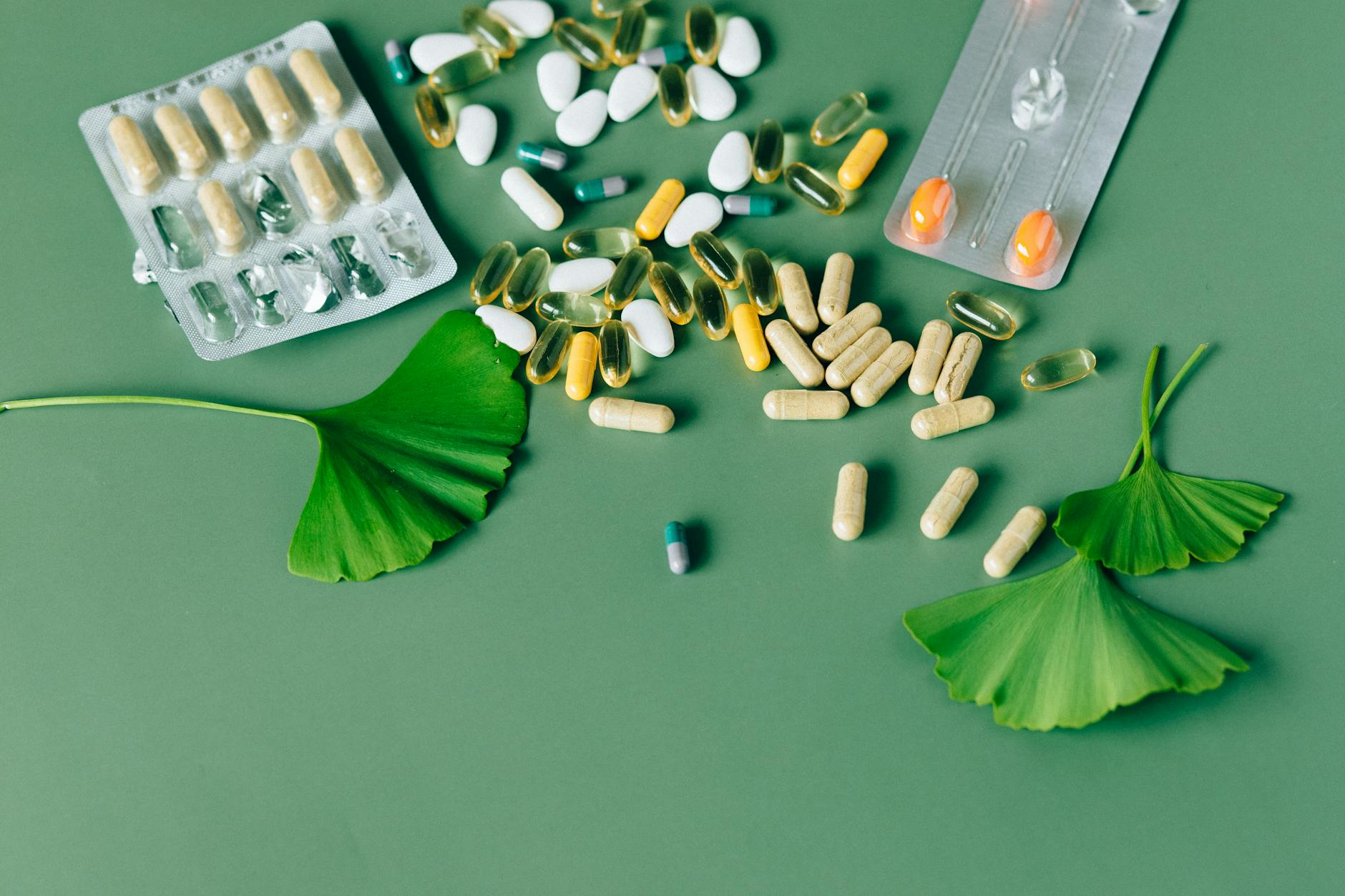
Ginkgo biloba is one of the oldest living tree species on Earth, and its leaves have been used in traditional medicine for thousands of years. Today, ginkgo biloba extract ranks among the most popular herbal supplements worldwide, with millions of people taking it for brain health, circulation, and more. Research continues to reveal new ways this ancient botanical may support modern wellness.
1. May Support Cognitive Function
One of the most well-known benefits of ginkgo biloba is its potential to sharpen thinking and memory. The extract contains powerful flavonoids and terpenoids that may protect neurons. These compounds appear to improve blood flow to the brain. Research suggests that ginkgo biloba extract improved cognitive function and neuronal health in Alzheimer’s disease mouse models, showing promise as a potential supportive treatment. If you are looking for a natural way to support mental clarity, ginkgo is worth discussing with your doctor.
2. Rich in Antioxidants
Ginkgo biloba leaves are packed with potent antioxidants, especially flavonoids and terpenoids. These compounds help neutralize free radicals that damage cells over time. Oxidative stress plays a role in aging and many chronic diseases. By fighting this cellular damage, ginkgo may help protect tissues throughout your body. Adding antioxidant-rich supplements to a balanced diet is one strategy for long-term wellness, though whole foods should always remain your foundation.
3. May Improve Blood Circulation
Ginkgo biloba has a long history of use for circulatory health. Studies indicate it may help widen blood vessels and reduce the stickiness of platelets. This improved blood flow can benefit the brain, eyes, and extremities. People with cold hands and feet sometimes report relief after consistent use. Consider talking to your healthcare provider about ginkgo if circulation is a concern for you.
4. Could Help Reduce Anxiety and Stress
Feeling frazzled? Ginkgo biloba may offer some calming benefits. Some clinical trials suggest the extract can reduce symptoms of anxiety. A comprehensive review found that ginkgo biloba may help reduce stress and improve quality of life in people dealing with aging-related conditions. The mechanism likely involves its antioxidant activity and influence on stress hormones. If anxiety is something you struggle with, ginkgo could be a complementary option alongside professional guidance.
5. May Support Eye Health
Your eyes depend on healthy blood flow and antioxidant protection. Ginkgo biloba may deliver both. Research suggests the extract could benefit people with glaucoma and age-related macular degeneration. It appears to increase blood flow to the retina and protect delicate ocular tissues from oxidative damage. While ginkgo should never replace prescribed eye treatments, it may serve as a supportive addition to your eye health routine after consulting an ophthalmologist.
6. Shows Promise for Dementia Support
Dementia affects millions of families worldwide, and researchers are exploring every possible avenue for help. According to the NIH, some clinical trials indicate ginkgo biloba may improve cognition and neuropsychiatric symptoms in dementia patients. Results are mixed, and it is not considered a cure. However, certain standardized extracts have shown enough benefit to warrant continued study. Anyone caring for a loved one with dementia should discuss supplementation options with their medical team.
7. May Help Manage Symptoms of Depression
Depression is complex, and no single supplement can address it alone. That said, ginkgo biloba has shown potential as an adjunctive therapy. Its anti-inflammatory and antioxidant properties may influence brain chemistry in helpful ways. Some research indicates it could enhance the effects of conventional antidepressants when used together. Always work closely with a mental health professional before adding any supplement to a depression treatment plan.
8. Could Reduce Inflammation
Chronic inflammation is linked to heart disease, diabetes, and many other conditions. Ginkgo biloba contains compounds that appear to modulate inflammatory pathways in the body. Studies suggest the extract may reduce markers of inflammation and help calm overactive immune responses. This anti-inflammatory action likely contributes to many of ginkgo’s other reported benefits. Pairing ginkgo with an anti-inflammatory diet rich in fruits, vegetables, and healthy fats may amplify the effect.
9. May Help with Vertigo and Dizziness
Vertigo can be disorienting and deeply disruptive to daily life. Interestingly, ginkgo biloba has been studied as a treatment for balance disorders. Clinical evidence shows it may reduce the frequency and severity of vertigo episodes. Its ability to improve circulation to the inner ear likely plays a role. If you experience recurring dizziness, bring up ginkgo biloba with your healthcare provider as a potential complementary approach alongside standard treatments.
10. May Help Regulate Blood Sugar
Maintaining stable blood sugar is essential for energy, mood, and long-term health. Early research suggests ginkgo biloba may help improve glucose metabolism. A review of studies found the extract could help reduce blood glucose levels and lower oxidative stress markers associated with metabolic dysfunction. These findings are still preliminary, and ginkgo should not replace diabetes medication. However, it is a promising area of research worth watching as more evidence emerges.
Ginkgo biloba offers a fascinating blend of ancient tradition and modern science. While no supplement is a magic bullet, the research behind ginkgo’s benefits for brain health, circulation, and inflammation is encouraging. Talk to your doctor about whether adding a standardized ginkgo biloba extract makes sense for your individual health goals.
Medical Disclaimer: This article is for informational purposes only and does not constitute medical advice. Always consult a qualified healthcare professional before making health decisions.




