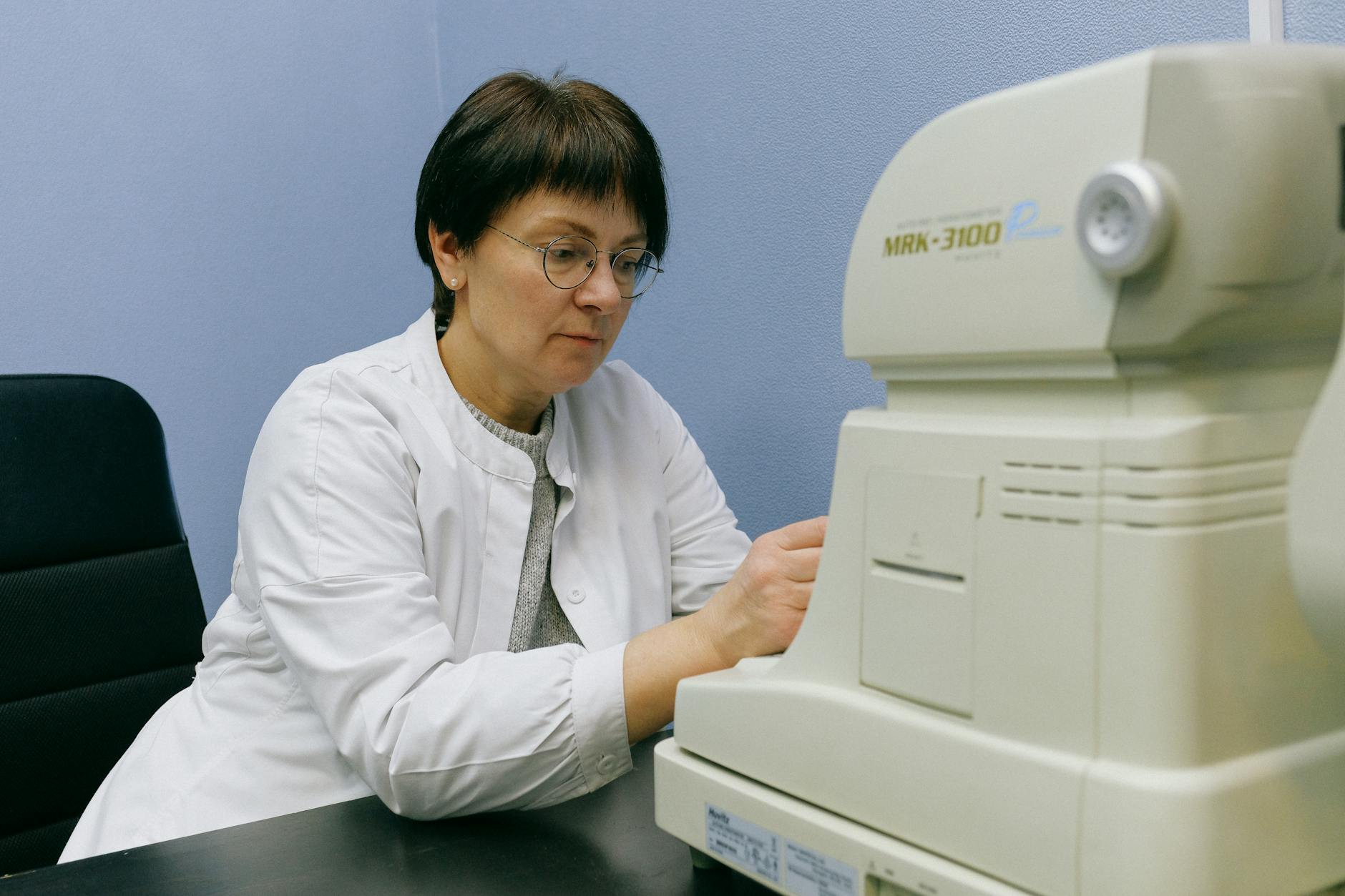
Color vision deficiency affects roughly 1 in 12 men and 1 in 200 women worldwide, making it one of the most common inherited visual conditions. Understanding the different types of color blindness can help you recognize symptoms early and seek the right support. From subtle shade confusion to a completely grayscale world, the spectrum of color vision deficiency is far wider than most people realize.
1. Deuteranomaly (Reduced Green Sensitivity)
Deuteranomaly is the single most common form of color vision deficiency. People with this condition have green-sensitive cone cells that respond to slightly different wavelengths than normal. As a result, greens may appear more reddish, and distinguishing between green, yellow, and orange shades becomes tricky. According to the AOA, this type is inherited through an X-linked recessive gene, which explains why it disproportionately affects males. Most people with deuteranomaly experience a mild form that rarely disrupts daily life. However, tasks like reading color-coded maps or choosing ripe fruit can still be challenging. If colors seem muddy or washed out, an eye care professional can run simple screening tests.
2. Protanomaly (Reduced Red Sensitivity)
Protanomaly is the second most common red-green deficiency. In this condition, red-sensitive cone cells exist but respond abnormally. Reds look duller and may shift toward green or brown tones. People with protanomaly often struggle to distinguish red from orange or dark red from black. This type is generally milder than its counterpart, protanopia. Traffic lights can pose subtle challenges, since the red light may appear dim. Wearing specially tinted lenses may help enhance color contrast in some situations, though they do not restore normal vision. If you notice reds looking unusually faded, talk to your eye doctor about a comprehensive color vision evaluation.
3. Deuteranopia (Green-Blind)
Deuteranopia is a more severe form of green deficiency where the green cone cells are completely absent. Unlike deuteranomaly, there is no partial function to lean on. The visible spectrum essentially collapses into shades of blue and gold, with greens and reds becoming nearly indistinguishable. Research published in PubMed classifies this under red-green deficiencies, the most prevalent category of color blindness. People with deuteranopia may confuse green with beige or red with brown. Daily tasks such as cooking meat to the right color or matching clothing can become frustrating. Labeling items at home and using color-identification smartphone apps are practical strategies that can make life easier.
4. Protanopia (Red-Blind)
Protanopia occurs when the red cone cells are entirely missing from the retina. This means reds effectively disappear from the visual palette. Bright red objects can look dark or nearly black, while orange and green become hard to tell apart. This condition is X-linked and inherited, so it appears predominantly in males. Protanopia can have real safety implications. Warning signs, brake lights, and emergency signals all rely heavily on red. People living with this condition often benefit from adaptive tools like color-filtering glasses and digital accessibility settings that shift color palettes. Consulting with an occupational therapist may also help navigate workplace color demands.
5. Tritanomaly (Reduced Blue Sensitivity)
Tritanomaly is a rare blue-yellow deficiency where blue-sensitive cones work but respond to the wrong wavelengths. Blues may appear greener, and yellows can look pinkish or pale. This type affects men and women at roughly equal rates because it is not linked to the X chromosome. The Mayo Clinic notes blue-yellow deficiency as a recognized category alongside the more common red-green types. Because tritanomaly is so uncommon, many standard color blindness screenings can miss it entirely. People with this condition may not even realize they see blue differently. If you consistently misjudge blue and purple shades, ask your eye doctor specifically about blue-yellow color testing.
6. Tritanopia (Blue-Blind)
Tritanopia is the complete absence of blue cone cells. It is extremely rare and affects the blue-yellow color axis entirely. People with tritanopia see the world primarily in shades of pink, teal, and muted green. Blue and yellow are nearly impossible to distinguish. Unlike red-green deficiencies, tritanopia is autosomal, meaning it is not sex-linked and can appear equally in anyone. This condition can sometimes develop later in life due to eye disease or injury rather than genetics alone. Adjusting screen display settings to blue-blind-friendly palettes can significantly improve digital experiences. Working with a low-vision specialist can also help identify useful environmental modifications.
7. Rod Monochromacy (Complete Achromatopsia)
Complete achromatopsia is the rarest and most severe form of color blindness. People with this condition have no functioning cone cells at all. They see the entire world in shades of gray, black, and white. Beyond the total absence of color, achromatopsia usually comes with extreme light sensitivity and reduced visual sharpness. Bright environments can be physically painful, and many people need dark-tinted lenses even indoors. Research classifies this as an autosomal recessive condition, meaning both parents must carry the gene. Living with achromatopsia requires significant adaptation. Specialized low-vision aids, red-tinted contact lenses, and controlled lighting environments can all help improve comfort and quality of life.
8. Blue Cone Monochromacy
Blue cone monochromacy is an exceptionally rare condition where only blue cone cells function. Red and green cones are either absent or nonfunctional. Vision is extremely limited, with poor color discrimination and reduced acuity, especially in bright light. People with this condition can perceive some color differences, mainly along the blue spectrum, but most hues blend together. It is an X-linked recessive condition and almost exclusively affects males. Symptoms overlap heavily with complete achromatopsia, so genetic testing is often needed for accurate diagnosis. Children with blue cone monochromacy may struggle in school without proper visual support. Early intervention with magnifiers, adaptive technology, and classroom accommodations can make a meaningful difference.
9. Acquired Color Vision Deficiency
Not all color blindness is inherited. Acquired color vision deficiency develops later in life due to disease, medication, or injury. Conditions like glaucoma, macular degeneration, diabetes, and multiple sclerosis can damage the optic nerve or retina enough to alter color perception. Certain medications, including some heart drugs and anti-seizure treatments, may also shift how colors appear. Unlike inherited forms, acquired deficiency can worsen over time or affect one eye differently than the other. It may also change depending on lighting conditions. If your color perception shifts suddenly or gradually, it could signal an underlying health problem. Report any changes to your doctor promptly, as early detection of the root cause is critical.
10. Anomalous Trichromacy (General Shifted Color Perception)
Anomalous trichromacy is a broad category that includes anyone with all three cone types present but one functioning abnormally. Deuteranomaly, protanomaly, and tritanomaly all fall under this umbrella. People with anomalous trichromacy still see color, but their perception is shifted compared to someone with normal vision. The severity varies widely. Some individuals barely notice any difference, while others find certain color combinations genuinely confusing. Standard Ishihara plate tests can detect most forms quickly and painlessly. Understanding which specific subtype you have allows eye care professionals to recommend the most effective adaptive tools. If you suspect your color perception is even slightly off, a simple screening takes just minutes and can provide valuable clarity.
Color blindness encompasses a surprisingly wide range of conditions, from subtle shade shifts to a completely monochrome world. Knowing these different types can help you identify symptoms in yourself or your family members early. If you suspect any form of color vision deficiency, schedule a comprehensive eye exam with a qualified optometrist or ophthalmologist who can pinpoint the exact type and recommend practical next steps.
Medical Disclaimer: This article is for informational purposes only and does not constitute medical advice. Always consult a qualified healthcare professional before making health decisions.




