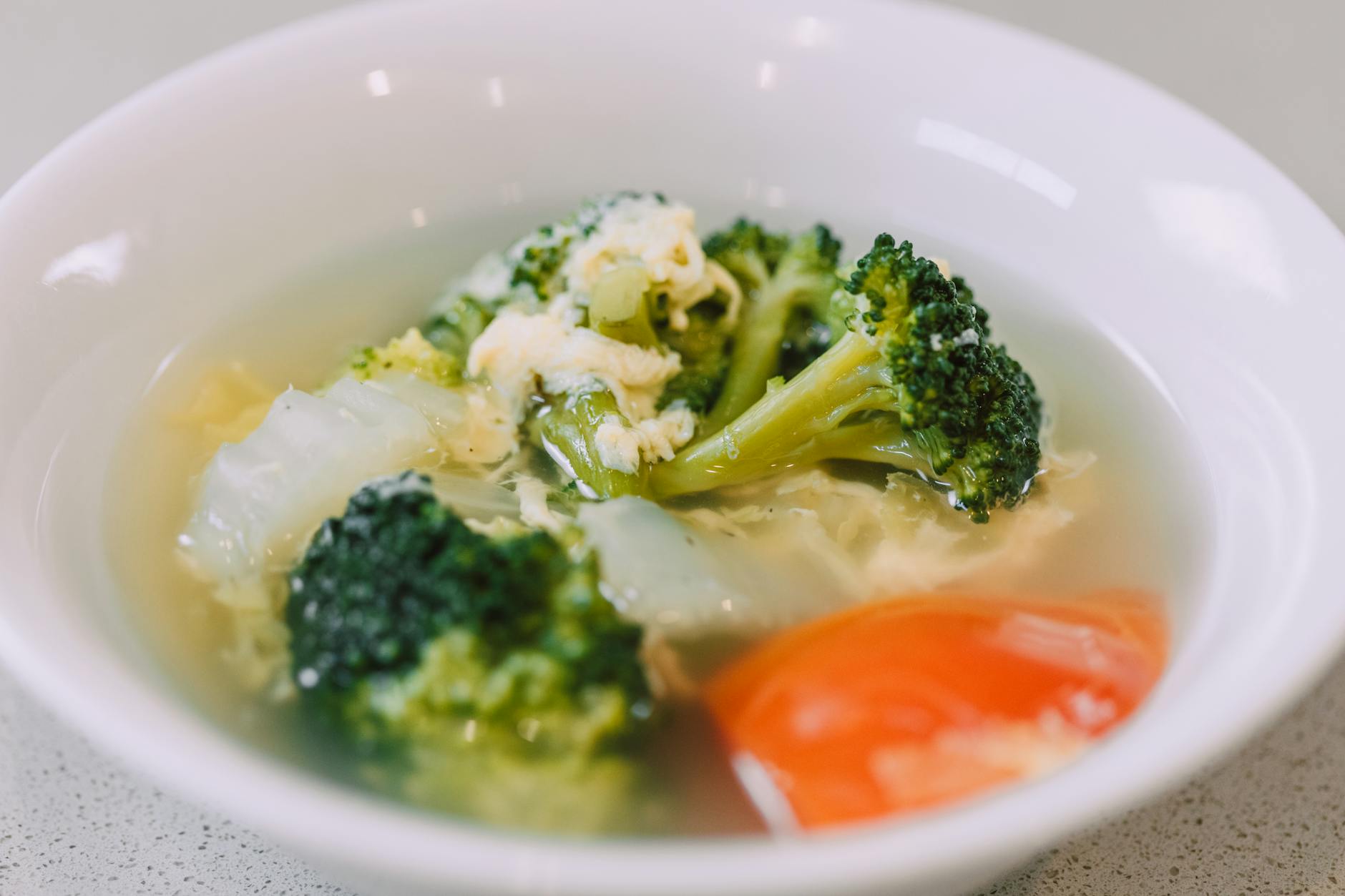
Broccoli consistently ranks among the most nutrient-dense vegetables available at any grocery store, yet many people underestimate just how much it offers. Understanding broccoli nutrition goes well beyond knowing it contains vitamin C — this cruciferous powerhouse delivers a remarkable range of compounds that may support nearly every system in your body. Here are ten facts that might change how you see this familiar green vegetable.
1. It Packs More Vitamin C Than Many Citrus Fruits
One cup of raw broccoli delivers roughly 135 percent of the daily recommended value for vitamin C. That actually edges out a medium orange on a per-serving basis. Vitamin C acts as a potent antioxidant, supporting immune function and helping your body produce collagen for healthy skin and joints. It also improves absorption of non-heme iron from plant-based foods. If you struggle to eat enough fruit, adding a generous serving of broccoli to lunch or dinner can help you close the gap without any added sugar.
2. Sulforaphane Sets It Apart From Other Vegetables
Broccoli is one of the richest food sources of sulforaphane, a compound formed when you chew or chop the raw florets. Research suggests sulforaphane has powerful antioxidant and anti-inflammatory properties. A comprehensive review found that broccoli exhibits anticancer, antimicrobial, anti-inflammatory, anti-obesity, and antidiabetic effects largely due to glucosinolates like sulforaphane and phenolic compounds. To maximize sulforaphane intake, try letting chopped broccoli sit for a few minutes before cooking it lightly.
3. It Delivers a Surprising Amount of Plant-Based Protein
Most people do not think of vegetables as protein sources, but broccoli contains about 2.6 grams of protein per cup when raw. Calorie for calorie, it actually compares favorably to many animal proteins. Of course, you would need to eat a lot of broccoli to match a chicken breast. Still, those grams add up throughout the day, especially for people following plant-forward diets. Pairing broccoli with legumes or whole grains creates a more complete amino acid profile in a single meal.
4. Its Fiber Content Supports Healthy Digestion
A single cup of cooked broccoli provides about 5 grams of dietary fiber, which is roughly 20 percent of what most adults need daily. That fiber supports regular bowel movements and helps feed beneficial bacteria in the gut. Both soluble and insoluble fiber are present, giving your digestive system a well-rounded boost. Adding broccoli to soups, stir-fries, or grain bowls is one of the simplest ways to increase your daily fiber intake without turning to supplements.
5. It May Positively Reshape Your Gut Microbiome
Beyond fiber alone, broccoli appears to actively change the community of microbes living in your digestive tract. A clinical study showed that broccoli consumption altered the human gastrointestinal microbiota, increasing Bacteroidetes and pathways related to energy metabolism, particularly in individuals with a BMI under 26. A diverse, balanced microbiome is linked to better immunity, mood regulation, and metabolic health. Eating broccoli several times per week may help cultivate a more favorable gut environment over time.
6. It Contains Bone-Strengthening Nutrients Beyond Calcium
Broccoli is often praised for its calcium content, but its bone-building benefits go further. It provides meaningful amounts of vitamin K, which plays a critical role in calcium metabolism and bone mineralization. One cup of cooked broccoli delivers over 100 percent of the daily value for vitamin K. It also supplies magnesium and phosphorus, two additional minerals essential for maintaining bone density. For people who avoid dairy, broccoli can serve as a valuable part of a bone-supportive diet when eaten consistently.
7. Studies Link It to Reduced Inflammation and Better Metabolic Health
Chronic low-grade inflammation is a driver behind many modern diseases, from heart disease to type 2 diabetes. Animal research provides promising clues about broccoli’s role in this area. One study found that long-term whole broccoli supplementation decreased inflammation, improved lipid parameters and insulin sensitivity, and positively altered the gut microbiome in mice. While human trials are still catching up, these findings suggest that regular broccoli consumption could be a smart dietary strategy for supporting metabolic health.
8. It Is Remarkably Low in Calories for Its Nutrient Density
One cup of raw broccoli contains only about 31 calories. Despite that tiny caloric footprint, it delivers fiber, protein, vitamins C and K, folate, potassium, and a range of phytochemicals. This makes broccoli one of the best nutrient-to-calorie bargains in the produce aisle. For anyone managing their weight or simply trying to eat more nutritiously, broccoli provides volume and satiety without tipping the calorie scale. It works equally well raw with hummus or roasted with a drizzle of olive oil.
9. Its Folate Content Matters for Cell Growth and Repair
Folate, also known as vitamin B9, is essential for DNA synthesis and proper cell division. Broccoli provides a solid natural source, with one cooked cup covering about 14 percent of the daily value. This is especially important during pregnancy, when folate needs increase to support fetal development. However, everyone benefits from adequate folate because it helps the body produce and maintain new cells throughout life. Getting folate from whole foods like broccoli is generally well absorbed and comes packaged with other supportive nutrients.
10. Cooking Method Matters More Than You Might Think
How you prepare broccoli significantly affects its broccoli nutrition profile. Boiling can leach water-soluble vitamins like C and folate into the cooking water. Steaming, on the other hand, tends to preserve most nutrients while softening the texture. Roasting at moderate heat retains many beneficial compounds and enhances flavor. Microwaving with minimal water is another effective option. For maximum sulforaphane production, chop broccoli and let it rest for about five to ten minutes before applying any heat. This small habit can make a meaningful difference in what your body actually absorbs.
Broccoli earns its reputation as a nutritional standout through an impressive combination of vitamins, minerals, fiber, and unique plant compounds like sulforaphane. Whether you steam it, roast it, or toss it raw into a salad, making broccoli a regular part of your weekly meals is one of the simplest steps you can take toward a more nutrient-rich diet. Start by aiming for two to three servings per week and experiment with different preparations to find what you enjoy most.
Medical Disclaimer: This article is for informational purposes only and does not constitute medical advice. Always consult a qualified healthcare professional before making health decisions.




