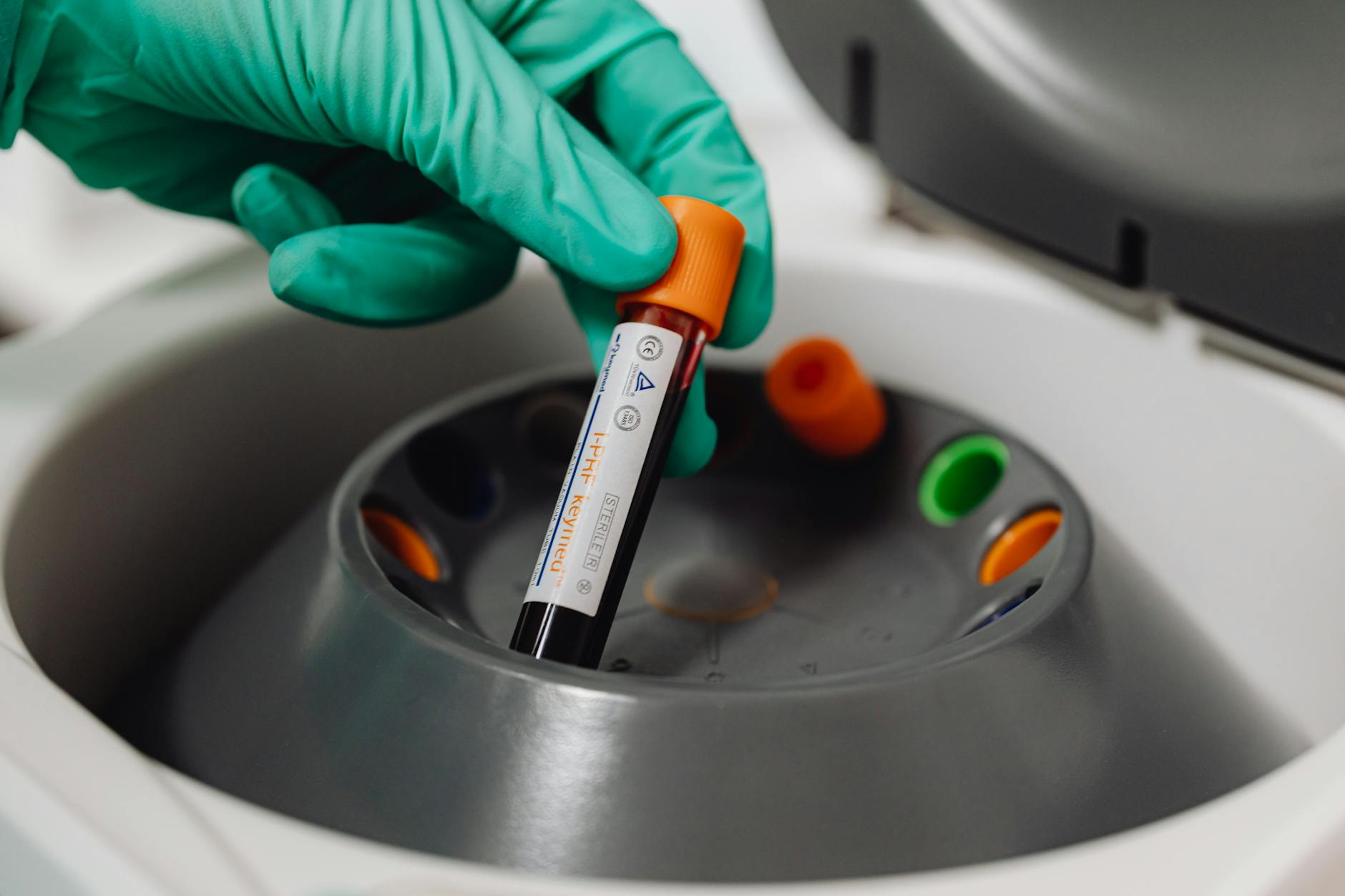
Millions of people worldwide live with a low red blood cell count, a condition broadly known as anemia. According to the PubMed, anemia poses a significant public health problem across every age group and demographic. Understanding the possible causes is the first step toward getting the right diagnosis and feeling like yourself again.
1. Iron Deficiency
Iron deficiency is the single most common reason people develop a low red blood cell count. Your body needs iron to produce hemoglobin, the protein in red blood cells that carries oxygen. Without enough iron, your bone marrow simply cannot make enough healthy red blood cells. This can happen from a diet low in iron-rich foods, poor absorption, or chronic blood loss from heavy periods or gastrointestinal issues. Symptoms often include persistent fatigue, pale skin, and brittle nails. Research suggests that adding iron-rich foods like spinach, red meat, and lentils to your diet may help restore levels over time. Talk to your doctor about testing your ferritin levels if you suspect iron deficiency.
2. Vitamin B12 Deficiency
Vitamin B12 plays a critical role in red blood cell production. When levels drop too low, your body produces abnormally large red blood cells that don’t function properly. This type of anemia, called megaloblastic anemia, is especially common among older adults and people following strict vegan diets. Symptoms may include numbness or tingling in the hands and feet, memory difficulties, and extreme weakness. Clinical evidence shows that B12 supplements or dietary changes — such as eating more eggs, dairy, and fortified cereals — can often help correct the deficiency. A simple blood test can confirm whether your B12 levels need attention.
3. Chronic Kidney Disease
Your kidneys do more than filter waste. They also produce a hormone called erythropoietin, which signals your bone marrow to make red blood cells. When kidney function declines, erythropoietin production drops significantly. This leads to fewer red blood cells circulating in your bloodstream. Studies indicate that anemia affects a large majority of people with advanced chronic kidney disease. If you have kidney issues and feel unusually tired or short of breath, anemia could be contributing. Your nephrologist may recommend erythropoietin-stimulating agents or iron supplements as part of your treatment plan.
4. Chronic Inflammatory Diseases
Conditions like rheumatoid arthritis, lupus, and inflammatory bowel disease can quietly lower your red blood cell count. Chronic inflammation interferes with how your body uses iron and produces red blood cells. As the NIH explains, anemia often serves as a presentation of an underlying condition rather than a standalone diagnosis. This type, called anemia of chronic disease, is the second most common form worldwide. It tends to develop gradually, making it easy to overlook. Managing the underlying inflammatory condition is usually the most effective way to improve your blood counts.
5. Heavy Menstrual Bleeding
Many women experience a low red blood cell count without realizing that heavy periods are the cause. Losing significant amounts of blood each month depletes iron stores faster than the body can replenish them. Over time, this steady loss leads to iron-deficiency anemia. Warning signs include soaking through a pad or tampon every hour, periods lasting longer than seven days, and passing large clots. Research suggests that women with consistently heavy menstrual bleeding should have their hemoglobin checked regularly. Treatment options range from hormonal therapies that reduce bleeding to iron supplementation that helps rebuild red blood cell levels.
6. Bone Marrow Disorders
Since red blood cells are manufactured in your bone marrow, any disease affecting this tissue can reduce production. Conditions like aplastic anemia, myelodysplastic syndromes, and certain leukemias directly impair the marrow’s ability to generate healthy cells. Aplastic anemia occurs when the immune system mistakenly attacks stem cells in the bone marrow. Symptoms often include frequent infections and easy bruising alongside severe fatigue. These disorders are less common but tend to be more serious. Early detection through blood work and bone marrow biopsies gives doctors the best chance of managing these conditions effectively.
7. Folate Deficiency
Folate, also known as vitamin B9, works alongside B12 to support red blood cell formation. A shortage of folate leads to the production of oversized, dysfunctional red blood cells. Pregnant women are particularly vulnerable because their folate needs increase dramatically. Poor diet, alcohol misuse, and certain medications can also deplete folate stores. Symptoms closely mirror other types of anemia — fatigue, weakness, and irritability. Studies indicate that eating more leafy greens, citrus fruits, and fortified grains can help prevent folate-related anemia. Prenatal vitamins typically contain adequate folate to protect both mother and baby.
8. Blood Loss from Gastrointestinal Issues
Sometimes the blood loss behind a low red blood cell count is invisible. Ulcers, polyps, hemorrhoids, and even colon cancer can cause slow, chronic bleeding in the digestive tract. Because the bleeding happens internally, you may not notice it until anemia symptoms appear. Dark or tarry stools can be a telltale sign of upper gastrointestinal bleeding. As PubMed notes, anemia often represents a manifestation of an underlying condition that needs investigation. If you develop unexplained anemia, your doctor may recommend an endoscopy or colonoscopy to identify the source of bleeding.
9. Hemolytic Anemia
In hemolytic anemia, red blood cells are destroyed faster than the body can replace them. This can be inherited, as in sickle cell disease or thalassemia, or acquired through autoimmune reactions and infections. Your spleen normally filters out old red blood cells, but in hemolytic conditions it may remove healthy cells prematurely. Symptoms often include jaundice, dark urine, and an enlarged spleen in addition to typical anemia signs. Clinical evidence shows that treatment depends heavily on the underlying cause. Some people benefit from immunosuppressive medications, while others may eventually need a splenectomy or blood transfusions to manage the condition.
10. Certain Medications
Several common medications can contribute to a low red blood cell count as a side effect. Chemotherapy drugs are well-known culprits, but certain antibiotics, anti-seizure medications, and antiretroviral drugs can also suppress red blood cell production. Some medications cause hemolysis, meaning they trigger the premature destruction of red blood cells. Others interfere with nutrient absorption, indirectly leading to deficiency-related anemia. If you notice increasing fatigue or pallor after starting a new medication, bring it up with your prescribing doctor. They may adjust your dosage, switch medications, or recommend supportive supplements to protect your blood cell counts.
A low red blood cell count is rarely a condition on its own — it is almost always a signal pointing to something deeper. Whether the cause is a simple nutritional gap or a more complex medical issue, identifying the root problem is essential. Schedule a conversation with your healthcare provider and request a complete blood count to get a clearer picture of your health.
Medical Disclaimer: This article is for informational purposes only and does not constitute medical advice. Always consult a qualified healthcare professional before making health decisions.




