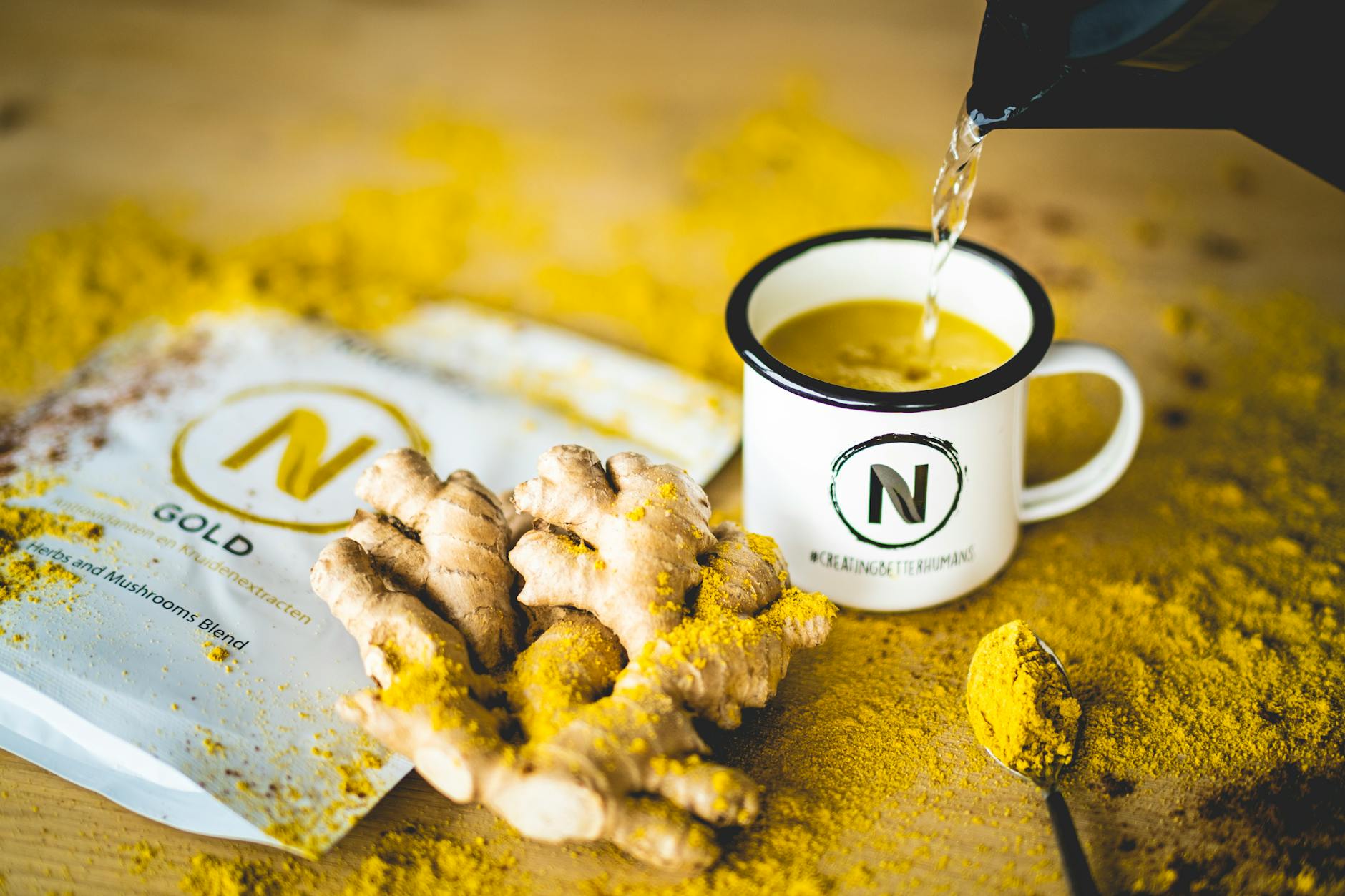
Turmeric has been a cornerstone of Ayurvedic and traditional medicine for thousands of years, and today millions of people worldwide reach for this golden spice as a daily supplement. Modern science is now validating what ancient healers long believed — that the active compounds in turmeric, especially curcumin, may offer real and measurable health advantages. Understanding the benefits of turmeric can help you decide whether adding it to your routine makes sense.
1. Powerful Anti-Inflammatory Properties
Chronic low-grade inflammation is linked to heart disease, diabetes, and even certain cancers. Curcumin, the primary bioactive compound in turmeric, has been shown to target multiple steps in the inflammatory pathway. Research indicates that turmeric supplementation significantly reduces inflammatory markers like CRP and TNF-α, which are key drivers of systemic inflammation. While it should never replace prescribed medication, adding turmeric to your diet may complement an overall anti-inflammatory lifestyle. Pairing it with black pepper can enhance curcumin absorption by up to 2,000 percent. Consider sprinkling turmeric into soups, smoothies, or stir-fries as a simple starting point.
2. Rich Antioxidant Activity
Oxidative stress occurs when free radicals overwhelm your body’s defenses, damaging cells and accelerating aging. Turmeric appears to fight back on two fronts. Studies suggest it neutralizes free radicals directly while also boosting your body’s own antioxidant enzymes. Clinical evidence shows that curcumin supplementation may enhance total antioxidant capacity and increase superoxide dismutase levels. These effects could help protect your cells from everyday environmental damage. Eating a diet rich in colorful vegetables alongside turmeric may amplify these antioxidant benefits.
3. Joint Health and Arthritis Relief
Millions of adults live with stiff, aching joints caused by osteoarthritis or rheumatoid arthritis. Curcumin’s anti-inflammatory action appears especially relevant here. Research suggests that curcumin aids in managing oxidative and inflammatory conditions, including arthritis, by reducing inflammatory cytokines like TNF-α and IL-6. Some clinical trials have found curcumin supplements comparable to certain over-the-counter pain relievers for knee osteoarthritis symptoms. If you experience joint discomfort, talk to your doctor about whether a standardized curcumin supplement might be worth trying alongside your current treatment plan.
4. Brain Health and Neuroprotection
Cognitive decline is a growing concern as populations age around the world. Curcumin may cross the blood-brain barrier, which means it can directly reach brain tissue. Studies indicate it may help clear amyloid plaques, the protein tangles associated with Alzheimer’s disease. Turmeric also appears to boost levels of brain-derived neurotrophic factor, a protein that supports the growth and survival of neurons. While no supplement can prevent dementia, early research is promising. Keeping your mind active, exercising regularly, and incorporating turmeric into meals could be a smart combination for long-term brain health.
5. Heart Health Support
Heart disease remains the leading cause of death globally, making prevention a top priority. Curcumin may improve the function of the endothelium, the lining of your blood vessels that regulates blood pressure and clotting. According to research published in PubMed, turmeric exhibits cardioprotective effects that may support overall cardiovascular wellness. It also helps reduce oxidation and inflammation, both of which play critical roles in heart disease development. Combining turmeric with a heart-healthy diet rich in omega-3 fatty acids and fiber is a practical approach to cardiovascular care.
6. Liver Protection
Your liver works tirelessly to filter toxins, metabolize nutrients, and produce essential proteins. Over time, exposure to alcohol, processed foods, and environmental pollutants can stress this vital organ. Research suggests that curcumin has hepatoprotective properties, meaning it may help shield liver cells from damage. Animal studies have shown promising results in reducing liver inflammation and fibrosis markers. While human research is still evolving, supporting your liver with whole foods, adequate hydration, and turmeric-rich dishes is a reasonable strategy. Always consult your doctor before using turmeric supplements if you have an existing liver condition.
7. Mood and Anxiety Management
Mental health affects every aspect of daily life, from productivity to relationships. Emerging evidence suggests curcumin may influence mood-regulating neurotransmitters like serotonin and dopamine. Some clinical trials have found that curcumin supplementation improved symptoms in people with major depressive disorder when used alongside standard treatment. Research also indicates it may help manage anxiety by reducing inflammatory cytokines that affect brain chemistry. This does not mean turmeric replaces therapy or medication. However, discussing curcumin with your mental health provider could open the door to a complementary approach.
8. Blood Sugar Regulation
Keeping blood sugar levels stable is essential for energy, weight management, and long-term metabolic health. Studies suggest that curcumin may improve insulin sensitivity and help regulate glucose metabolism. According to the NIH, turmeric demonstrates hypoglycemic effects in certain in vivo studies, though more human trials are needed. The compound also appears to reduce oxidative stress in pancreatic cells, which are responsible for producing insulin. If you are managing prediabetes or type 2 diabetes, turmeric could be a valuable addition to a balanced, low-glycemic diet. Always monitor blood sugar closely and work with your healthcare team when adding supplements.
9. Digestive Comfort
Bloating, gas, and indigestion are among the most common complaints doctors hear. Turmeric has traditionally been used to soothe the digestive tract and stimulate bile production, which aids in fat digestion. Modern research supports these traditional uses, showing curcumin may help reduce symptoms of irritable bowel syndrome and inflammatory bowel conditions. Its anti-inflammatory effects on the gut lining could explain why many people report feeling less discomfort after regular use. Starting with small amounts in food is a gentle way to introduce turmeric to your system. If digestive issues persist, seek guidance from a gastroenterologist.
10. Potential Cancer-Preventive Properties
Cancer remains one of the most feared diagnoses worldwide, and prevention is an area of intense scientific focus. Laboratory and animal studies suggest curcumin may inhibit the growth, development, and spread of certain cancer cells at the molecular level. It appears to affect several biological pathways involved in cell replication and programmed cell death. Research also highlights its antimutagenic properties, meaning it could help protect DNA from harmful changes. However, these findings are largely preclinical and should be interpreted with caution. No food or supplement can guarantee cancer prevention, but eating a nutrient-dense diet that includes turmeric is a reasonable wellness strategy.
Turmeric is far more than a kitchen staple — it is a well-studied spice with a growing body of evidence supporting its role in overall health. From calming inflammation to supporting your heart, brain, and joints, the benefits of turmeric are worth exploring with your doctor. A simple step forward is adding a teaspoon of turmeric with a pinch of black pepper to your next meal and building from there.
Medical Disclaimer: This article is for informational purposes only and does not constitute medical advice. Always consult a qualified healthcare professional before making health decisions.




