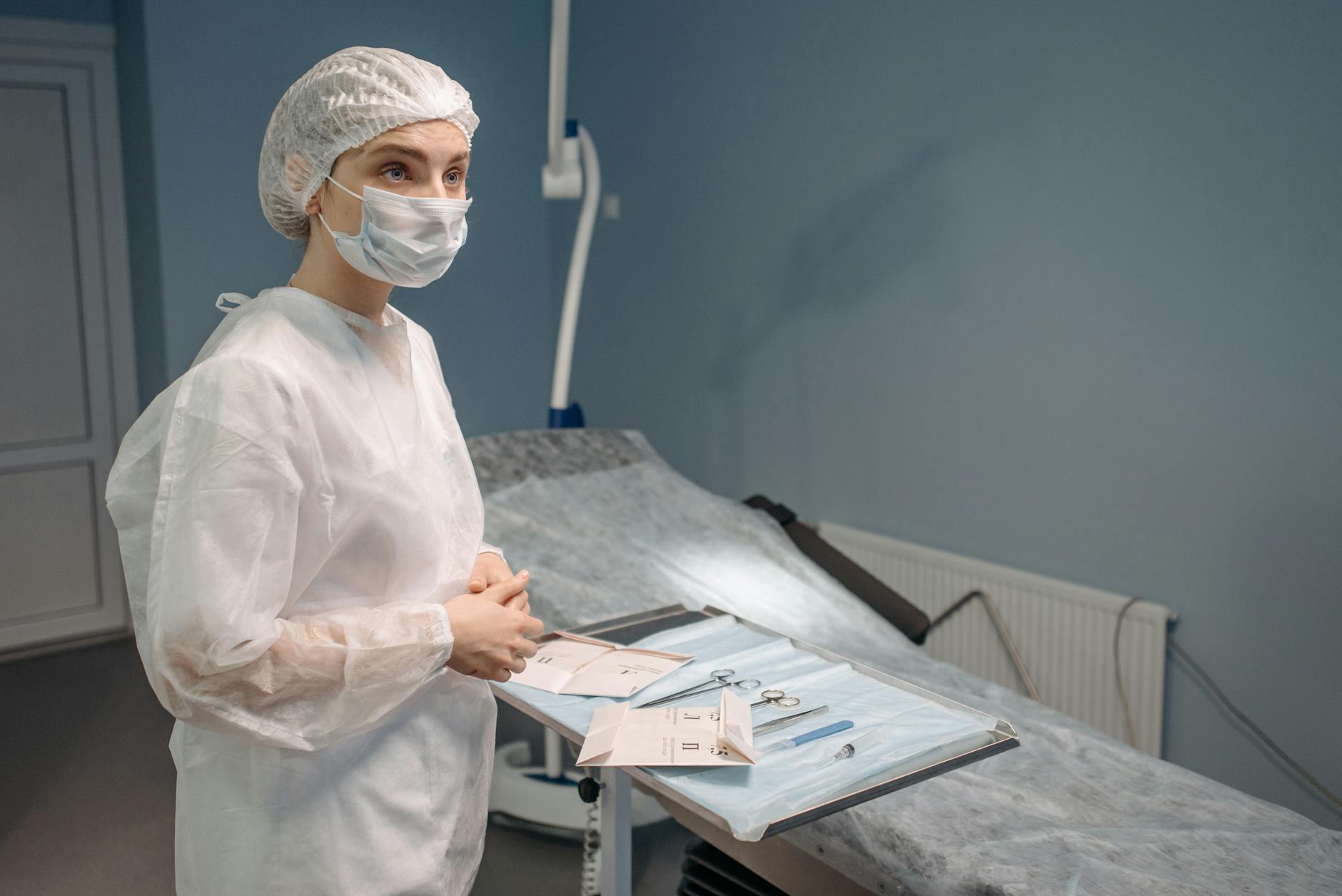
Earwax buildup, known medically as cerumen impaction, affects roughly 6 percent of the general population and up to 57 percent of older adults in care facilities. Left unaddressed, excessive earwax can muffle hearing, trigger tinnitus, and even cause ear pain or infections. Understanding which earwax removal methods are safe — and which to avoid — can help you protect your hearing and skip unnecessary trips to the doctor.
1. Over-the-Counter Ear Drops
Commercially available ear drops are one of the most accessible first steps for loosening stubborn wax. These drops typically contain hydrogen peroxide, carbamide peroxide, or saline solutions that soften hardened cerumen over several days. Research indicates that ear drops increase complete clearance of ear wax compared to no treatment, with evidence supporting their use in both adults and children. To use them safely, tilt your head, apply the recommended number of drops, and wait five to ten minutes before draining. Consistency over three to five days tends to yield the best results. Always follow the package instructions and stop using them if you experience pain or irritation.
2. Professional Ear Irrigation
Ear irrigation performed in a clinic involves a healthcare provider using a controlled stream of warm water to flush softened wax out of the ear canal. This method is one of the most widely used professional earwax removal techniques around the world. According to clinical evidence, clinic syringing shows clinically important benefit for successful wax removal compared to home kits, with no major differences among the types of ear drops used beforehand. Your provider will typically examine your ear with an otoscope before and after the procedure. Most people find the process quick and relatively comfortable, though mild dizziness can occasionally occur.
3. Warm Water Rinse at Home
A gentle warm water rinse using a bulb syringe can help dislodge softened earwax without a clinic visit. The key is to use body-temperature water, since water that is too hot or too cold can cause dizziness or discomfort. Fill the syringe, tilt your head to one side, and gently squeeze a small stream into your ear canal. Let the water sit for a moment, then tilt your head the opposite way to drain. This method works best after you have softened the wax with drops for a few days. Avoid this technique if you have a perforated eardrum, ear tubes, or an active ear infection.
4. Olive Oil Drops
Olive oil is a time-honored home remedy that many people use to soften earwax before attempting removal. Slightly warming the oil to body temperature and placing two to three drops into the ear canal can help lubricate and loosen compacted wax over several days. While a systematic review found limited high-quality evidence on the most effective softeners, olive oil remains a gentle option with a low risk of side effects. It is widely recommended by healthcare providers as a safe preliminary step. Use a clean dropper and lie on your side for five minutes after application. Repeat twice daily for up to five days before reassessing.
5. Sodium Bicarbonate Drops
Sodium bicarbonate, or baking soda, dissolved in water creates an alkaline solution that helps break down earwax. These drops are available over the counter in many pharmacies and are commonly recommended by general practitioners. The solution works by disrupting the structure of cerumen, making it easier to flush or drain naturally. Apply the drops while lying on your side and allow them to sit for at least five minutes. Some people notice fizzing or bubbling, which is normal and indicates the solution is working. Use them for three to seven days, and consult a doctor if your symptoms do not improve.
6. Microsuction
Microsuction is a professional earwax removal technique performed by an ear, nose, and throat specialist or trained audiologist. The provider uses a small vacuum-like device under magnification to gently suction wax directly from the ear canal. Unlike irrigation, microsuction does not introduce water into the ear, making it a preferred choice for people with perforated eardrums or prior ear surgeries. The procedure is typically quick, often taking less than fifteen minutes per ear. Many patients describe it as slightly noisy but painless. It is considered one of the safest clinical methods available because the provider has direct visual control throughout the process.
7. Manual Removal with a Curette
A curette is a small, spoon-shaped instrument that healthcare providers use to scoop earwax out of the canal manually. This method is especially useful for large or firmly impacted wax that drops and irrigation cannot dislodge. The procedure is performed under direct visualization, usually with an otoscope or microscope, to avoid damaging the delicate ear canal lining. Research highlights that various interventions including mechanical removal have been studied across twenty-six trials, though comparing their effectiveness remains difficult due to study differences. Never attempt curette removal at home, as the risk of injury is significant without proper tools and training. Leave this method to a qualified professional.
8. Hydrogen Peroxide Solution
A diluted hydrogen peroxide solution, typically three percent concentration, is a popular home remedy for softening earwax. When placed in the ear, it creates a foaming action that helps break apart compacted wax. Lie on your side, place a few drops into the affected ear, and let it fizz for several minutes before draining. Many over-the-counter earwax removal kits use carbamide peroxide, which releases hydrogen peroxide upon contact with wax. While generally safe for occasional use, frequent application can irritate the sensitive skin of the ear canal. If you notice redness, swelling, or increased pain, discontinue use and see a healthcare provider.
9. Avoiding Cotton Swabs
One of the most effective earwax removal strategies is simply avoiding the habits that make buildup worse. Cotton swabs, despite their popularity, tend to push wax deeper into the ear canal rather than removing it. This compaction can lead to impaction, hearing loss, and even injury to the eardrum. The American Academy of Otolaryngology has long advised against inserting cotton swabs or any small objects into the ear canal. Instead, gently clean only the outer ear with a damp cloth after showering. Letting the ear’s natural self-cleaning mechanism do its job is often the best first line of defense against buildup.
10. Knowing When to See a Doctor
Sometimes the safest earwax removal method is recognizing when professional help is necessary. Persistent hearing loss, ear pain, a feeling of fullness that does not resolve with drops, or discharge from the ear all warrant a medical evaluation. People who wear hearing aids or earplugs frequently are at higher risk for impaction and may benefit from regular professional cleanings. Children and older adults often need professional intervention because their ear canals can be narrower or more sensitive. Your doctor can determine whether the issue is truly wax or something else entirely, such as an infection or foreign body. Do not hesitate to seek care if home methods are not providing relief.
Safe earwax removal starts with gentle softening and patience — most cases resolve with over-the-counter drops and time. When home methods fall short, a healthcare provider can offer professional irrigation, microsuction, or manual removal tailored to your needs. Talk to your doctor before trying any new earwax removal approach, especially if you have a history of ear problems or surgery.
Medical Disclaimer: This article is for informational purposes only and does not constitute medical advice. Always consult a qualified healthcare professional before making health decisions.




