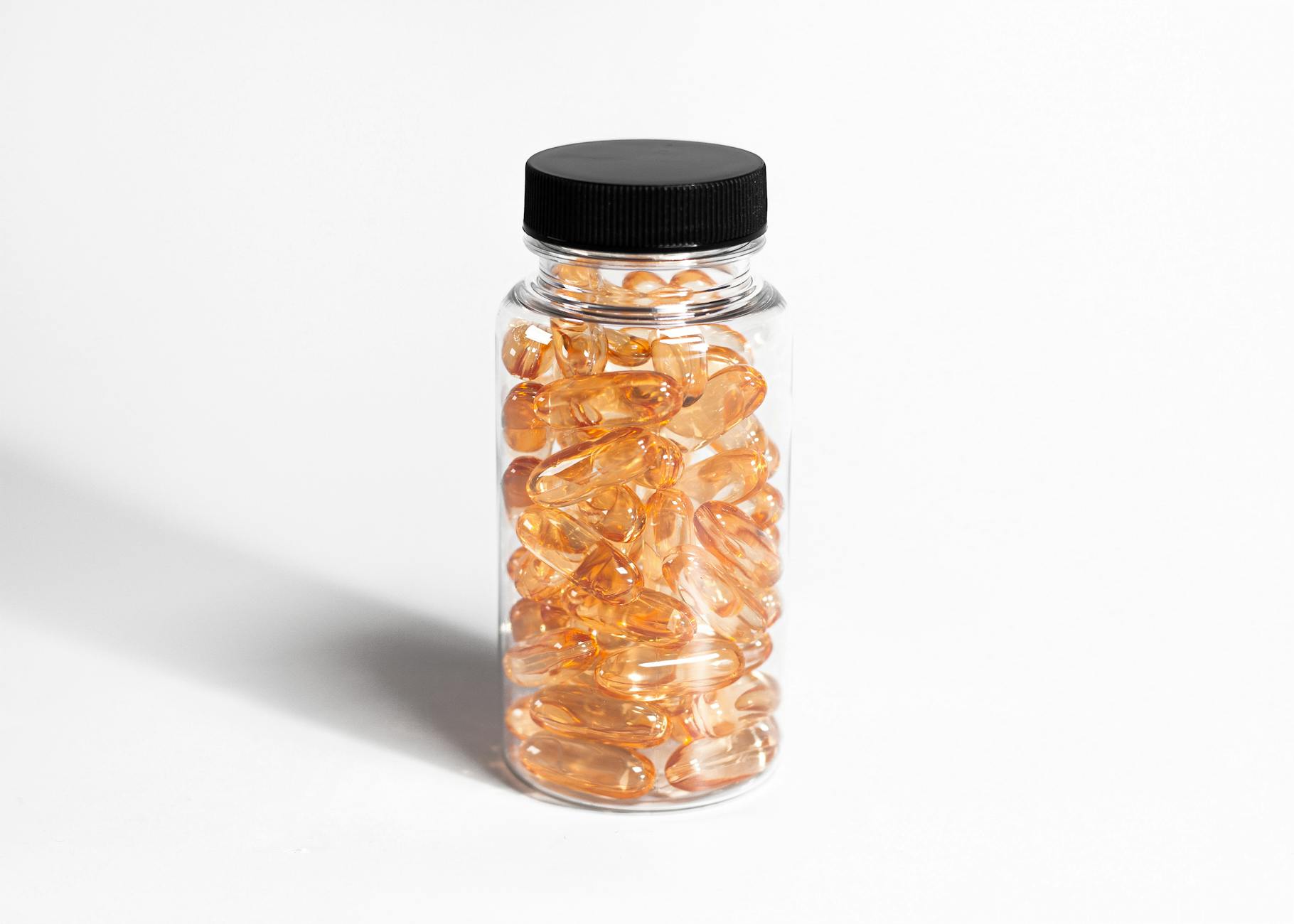
Vitamin E is a fat-soluble nutrient found in nuts, seeds, leafy greens, and vegetable oils, yet many adults still fall short of the recommended daily intake. Understanding the full range of vitamin E benefits can help you make smarter choices about your diet and overall wellness. Here is what current research reveals about this essential antioxidant.
1. Powerful Antioxidant Protection
One of the most well-established vitamin E benefits is its role as an antioxidant. It helps neutralize free radicals, unstable molecules that damage cells through a process called oxidative stress. Over time, oxidative stress contributes to chronic diseases and accelerated aging. Research suggests that alpha-tocopherol, the most active form of vitamin E, integrates into cell membranes and shields them from this damage. According to the NIH, vitamin E acts as a key antioxidant that supports multiple body systems. Including vitamin E-rich foods like almonds and sunflower seeds in your diet is a simple way to boost your antioxidant defenses.
2. Cardiovascular Health Support
Your heart may benefit significantly from adequate vitamin E intake. Clinical evidence shows that this nutrient helps reduce the oxidation of LDL cholesterol, a major contributor to plaque buildup in arteries. A comprehensive review published on PubMed found that vitamin E modulates cellular processes like inflammation and plaque stability, showing potential protective effects against cardiovascular diseases. Some studies also indicate that supplemental vitamin E may lower cardiovascular mortality. Pairing vitamin E-rich foods with a heart-healthy diet could offer meaningful protection over the long term.
3. Improved Immune Function
A strong immune system relies on a steady supply of essential nutrients, and vitamin E plays a notable role. Studies indicate it enhances the function of T cells, which are critical for fighting infections and detecting abnormal cells. Older adults, whose immune responses naturally weaken with age, may especially benefit from adequate vitamin E levels. Research suggests that supplementation can improve immune markers in aging populations. Adding a handful of hazelnuts or a drizzle of wheat germ oil to your meals is an easy way to support your immune health naturally.
4. Skin Health and Repair
Vitamin E has long been a staple ingredient in skincare, and the science backs up its popularity. It helps protect skin cells from UV-induced damage and supports the skin’s natural moisture barrier. The nutrient also works synergistically with vitamin C to enhance photoprotection. Clinical evidence shows that topical and dietary vitamin E may help reduce signs of sun damage and support wound healing. For a practical boost, consider using a moisturizer containing vitamin E or eating more avocados and spinach regularly.
5. Brain Health and Cognitive Function
Protecting the brain from oxidative damage becomes increasingly important as we age. Vitamin E has shown promise in supporting cognitive health, particularly in older adults. The NIH notes that clinical trials have demonstrated vitamin E may help delay the progression of Alzheimer’s disease in people with moderate symptoms. Its fat-soluble nature allows it to accumulate in brain tissue, where it combats lipid peroxidation. While it is not a cure, maintaining sufficient vitamin E levels through diet is a reasonable step for long-term brain health.
6. Eye Health and Cataract Prevention
Your eyes are particularly vulnerable to oxidative stress from sunlight and environmental pollutants. Research suggests that vitamin E may help reduce the risk of age-related cataracts by protecting the lens from free radical damage. A large-scale review on PubMed found beneficial associations between vitamin E intake and reduced cataract risk. Some evidence also points to its role in slowing age-related macular degeneration, especially when combined with other antioxidants like zinc and vitamin C. Eating a colorful variety of fruits and vegetables helps ensure your eyes get the protection they need.
7. Reduced Stroke Risk
Stroke remains one of the leading causes of disability worldwide. Emerging research offers encouraging news about vitamin E and cerebrovascular health. Studies indicate that higher dietary intake of vitamin E is associated with a reduced risk of ischemic stroke, the most common type. The nutrient’s anti-inflammatory and antioxidant properties may help maintain healthy blood vessels and prevent clot formation. While supplementation results have been mixed, getting vitamin E from whole food sources like seeds, nuts, and leafy greens appears to offer the most consistent protective benefit.
8. Support for Metabolic Health
Metabolic syndrome, a cluster of conditions including high blood sugar and excess abdominal fat, affects millions of adults. Vitamin E may play a supportive role in managing this growing health concern. Research published on PubMed found that vitamin E intake is beneficially linked to reduced metabolic syndrome risk. Its ability to lower oxidative stress and inflammation likely contributes to improved insulin sensitivity and lipid profiles. Combining vitamin E-rich foods with regular physical activity is a practical approach to supporting your metabolic health.
9. Mood and Mental Well-Being
The connection between nutrition and mental health continues to gain research attention. Vitamin E is now emerging as a nutrient that may influence mood and emotional resilience. Studies suggest that adequate vitamin E intake is associated with a lower risk of depression, possibly because oxidative stress plays a role in mood disorders. The brain consumes a large proportion of the body’s oxygen and is therefore highly susceptible to free radical damage. Ensuring your diet includes sufficient vitamin E through foods like peanut butter and mangoes could be a meaningful addition to your mental wellness routine.
10. Endothelial Function and Blood Vessel Health
Healthy blood vessels are lined with a thin layer of cells called the endothelium, which regulates blood pressure and clotting. When this lining is damaged, the risk of heart disease and stroke increases. A review on PubMed found that supplemental vitamin E improves endothelial function and may reduce the risk of myocardial infarction. This benefit appears to stem from vitamin E’s ability to reduce oxidation and inflammation within blood vessel walls. Talk to your healthcare provider about whether adding more vitamin E to your routine makes sense for your cardiovascular goals.
Vitamin E benefits extend far beyond simple antioxidant activity, reaching your heart, brain, skin, eyes, and immune system. The easiest way to harness these advantages is to prioritize whole foods rich in this nutrient, such as almonds, sunflower seeds, spinach, and avocados. If you are considering supplementation, speak with your doctor to find the right approach for your individual health needs.
Medical Disclaimer: This article is for informational purposes only and does not constitute medical advice. Always consult a qualified healthcare professional before making health decisions.




