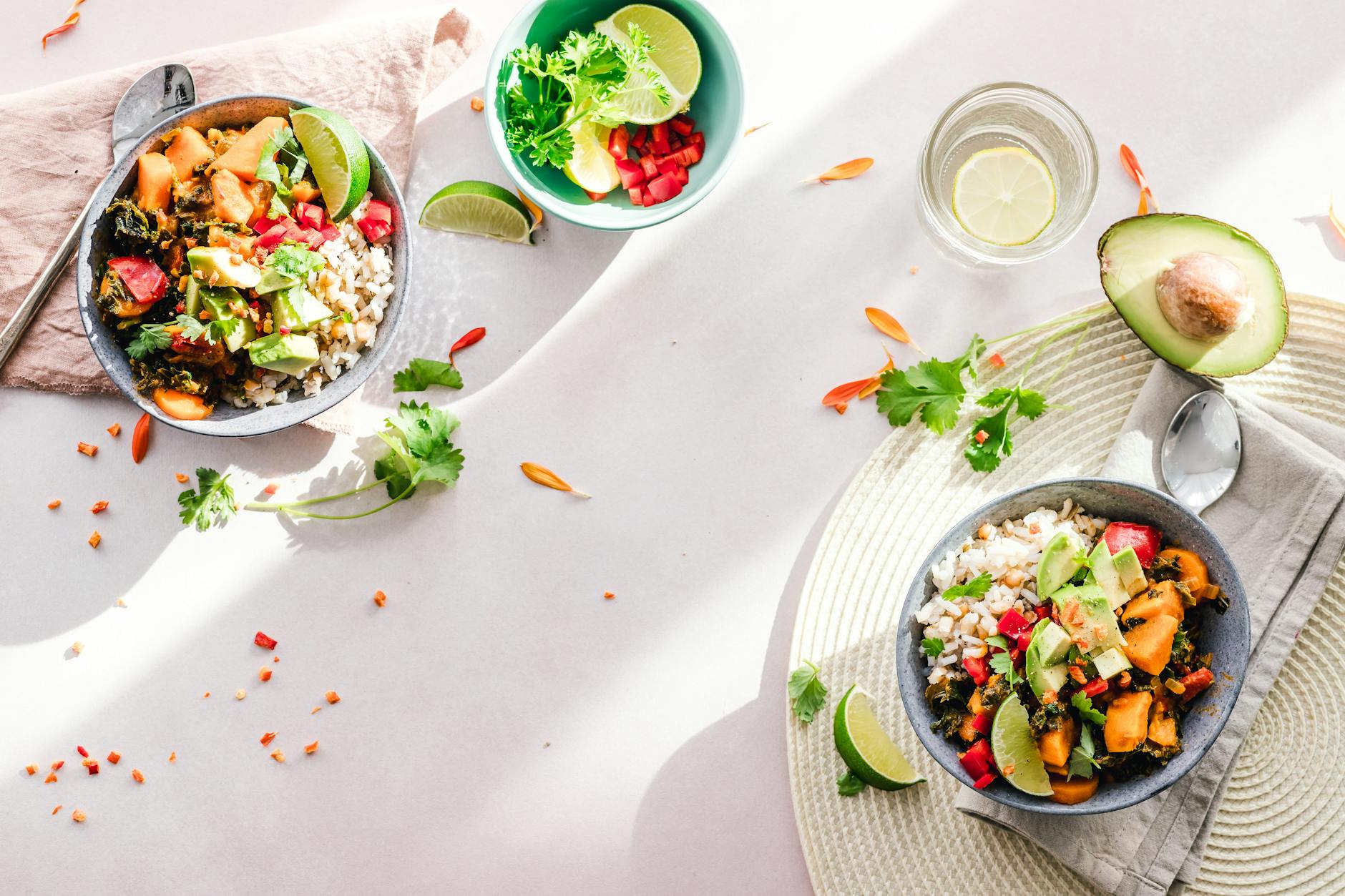
Low carb diets have surged in popularity over the past two decades, and for good reason. Research suggests that restricting carbohydrates may achieve better early weight loss and improve markers like triglycerides and HDL cholesterol compared to higher-carb approaches. Stocking your kitchen with the right low carb diet foods makes all the difference between a plan that feels punishing and one you actually enjoy.
1. Eggs
Eggs are one of the most versatile and nutrient-dense low carb diet foods available. A single large egg contains less than one gram of carbohydrates while delivering about six grams of high-quality protein. They’re packed with choline, B vitamins, and selenium, nutrients that support brain health and metabolism. Eggs also rank high on the satiety index, meaning they help you feel full longer after a meal. Research indicates that increased satiety from protein-rich foods is a key mechanism behind the effectiveness of low carb eating. Try scrambling two eggs with spinach and cheese for a quick, satisfying breakfast that keeps carbs well under five grams.
2. Salmon
Salmon delivers zero carbohydrates and an impressive dose of omega-3 fatty acids. These healthy fats have been linked to reduced inflammation and better heart health in numerous studies. A four-ounce serving also provides roughly 25 grams of protein, making it excellent for muscle maintenance during weight loss. Wild-caught varieties tend to offer a richer nutrient profile than farmed options. Baking salmon with lemon, garlic, and herbs creates a simple weeknight dinner that fits seamlessly into any low carb meal plan.
3. Leafy Greens
Spinach, kale, Swiss chard, and arugula are powerhouse low carb vegetables. A generous two-cup serving of raw spinach contains barely one gram of net carbs. These greens supply fiber, magnesium, iron, and vitamins A, C, and K in abundance. Fiber is especially important on a low carb diet because it supports digestion and gut health. Use leafy greens as a base for salads, blend them into smoothies, or sauté them with olive oil and garlic as a simple side dish that adds volume to any meal without significant carbs.
4. Avocados
Few foods embody the low carb lifestyle quite like the avocado. Half of a medium avocado contains roughly two grams of net carbs alongside nearly 15 grams of heart-healthy monounsaturated fat. That fat content helps your body absorb fat-soluble vitamins from other foods on your plate. Avocados are also a surprisingly good source of potassium, providing even more per serving than bananas. Spread avocado on low carb crackers, dice it into salads, or simply eat it with a spoon and a pinch of sea salt for a creamy, satisfying snack.
5. Chicken Breast
Chicken breast is a lean protein staple that contains zero carbohydrates. A standard four-ounce serving packs about 26 grams of protein with minimal fat. This makes it an ideal building block for meals when you want to control both carbs and calories. Studies indicate that higher protein intake supports muscle preservation during weight loss, which helps maintain a healthy metabolic rate over time. Season chicken with cumin, paprika, and a squeeze of lime, then grill or bake it for a flavorful protein source you can pair with any low carb vegetable.
6. Nuts and Seeds
Almonds, walnuts, chia seeds, and flaxseeds are nutrient-rich options that fit comfortably into a low carb framework. A one-ounce serving of almonds provides about 2.5 grams of net carbs along with healthy fats, fiber, and vitamin E. Walnuts stand out for their alpha-linolenic acid content, a plant-based omega-3. Chia seeds absorb liquid and expand, which may help with feelings of fullness between meals. Keep portion sizes in check since nuts are calorie-dense. A small handful makes an excellent on-the-go snack that stabilizes energy without spiking blood sugar.
7. Cheese
Most cheeses are naturally very low in carbohydrates while being rich in protein, calcium, and fat. Cheddar, mozzarella, gouda, and cream cheese all contain less than one gram of carbs per ounce. Clinical evidence shows that the combination of protein and fat in cheese contributes to satiety, helping people stick with their eating plan long term. Cheese also adds flavor and texture that can make low carb meals feel indulgent rather than restrictive. Use it to top cauliflower crust pizzas, stuff into celery sticks, or simply enjoy a few slices alongside some olives and cured meat.
8. Cauliflower
Cauliflower has earned its reputation as the ultimate low carb substitute vegetable. One cup of raw cauliflower florets has about three grams of net carbs. Its mild flavor and adaptable texture let it stand in for rice, mashed potatoes, pizza dough, and even mac and cheese. Beyond its versatility, cauliflower provides vitamin C, folate, and sulforaphane, a compound studied for its potential antioxidant properties. Ricing cauliflower in a food processor and sautéing it with garlic and butter creates a satisfying side dish that pairs beautifully with any protein.
9. Olive Oil
Extra virgin olive oil is a zero-carb fat source that forms the backbone of many healthy eating patterns, including Mediterranean-style low carb diets. It is rich in oleic acid and polyphenols, compounds associated with reduced inflammation in research studies. Using olive oil for cooking and salad dressings helps you meet your fat needs without adding any carbohydrates. Research suggests that low carb diets promote weight reduction in overweight adults, and quality fat sources like olive oil make these plans more sustainable. Drizzle it generously over roasted vegetables or use it as a dipping oil with herbs for a simple, flavorful addition to meals.
10. Berries
While many fruits are too high in sugar for strict low carb plans, berries are a welcome exception. A half-cup of raspberries contains about 3.5 grams of net carbs thanks to their high fiber content. Strawberries, blackberries, and blueberries are also relatively low carb compared to tropical fruits like bananas and mangoes. Berries provide antioxidants, vitamin C, and manganese that support overall health. Their natural sweetness satisfies cravings without derailing your carb goals. Toss a small handful into Greek yogurt or enjoy them on their own as a refreshing dessert that keeps your low carb lifestyle on track.
Building your meals around these low carb diet foods gives you a solid foundation for sustainable, enjoyable eating. The key is variety — rotating through different proteins, fats, and low carb vegetables keeps your meals interesting and your nutrient intake well-rounded. Start by swapping one or two high-carb staples this week and notice how your energy and satisfaction shift.
Medical Disclaimer: This article is for informational purposes only and does not constitute medical advice. Always consult a qualified healthcare professional before making health decisions.




