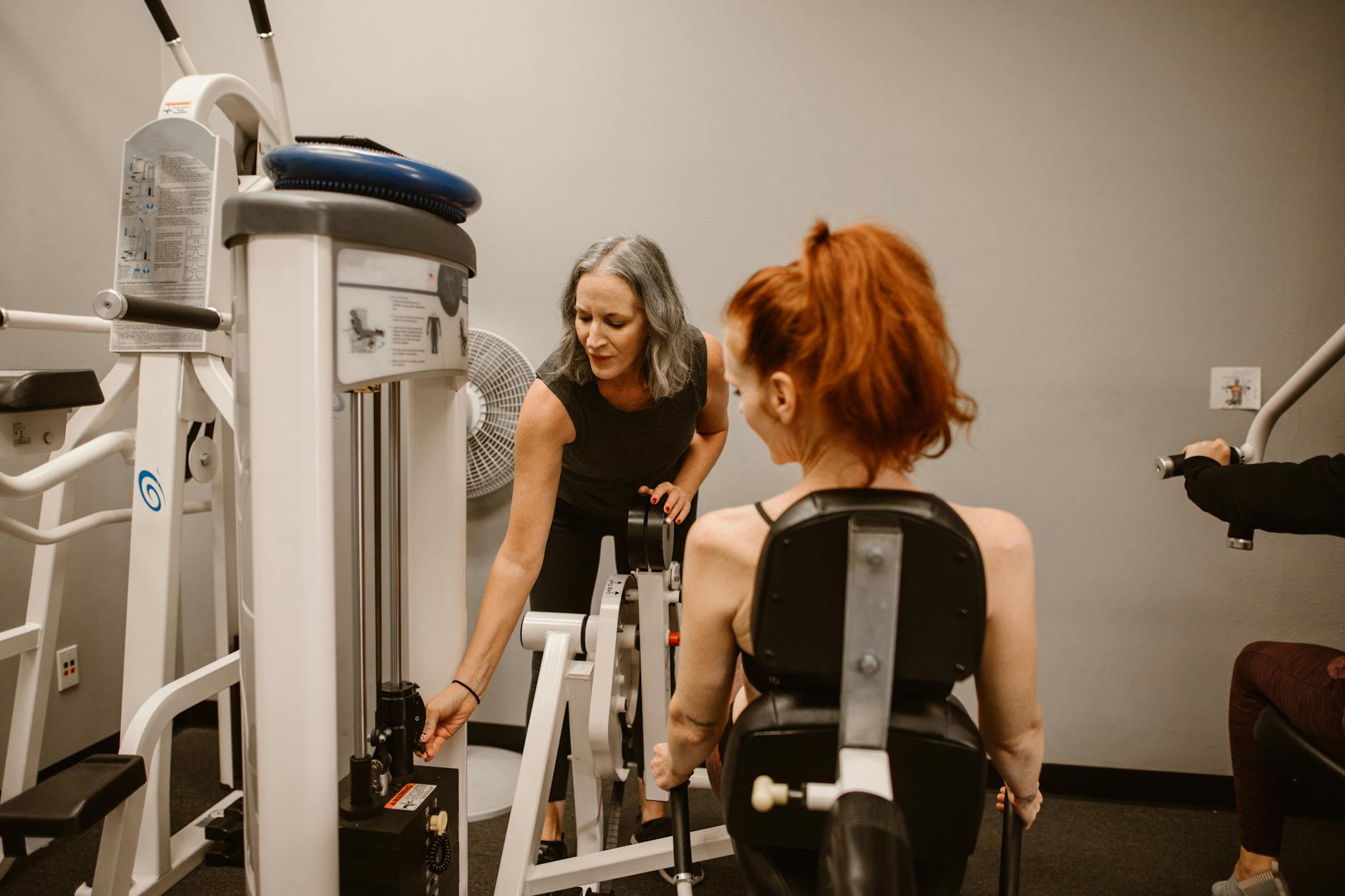
Estrogen plays a central role in dozens of bodily processes, from regulating your menstrual cycle to supporting bone density and brain function. When levels drop — whether from menopause, certain medical conditions, or other factors — the effects can ripple through nearly every system in your body. Recognizing low estrogen symptoms early can help you take meaningful steps toward feeling like yourself again.
1. Hot Flashes and Night Sweats
Hot flashes are perhaps the most well-known sign of declining estrogen. They strike as a sudden wave of heat across your chest, neck, and face. Night sweats are essentially hot flashes that happen during sleep, often drenching your sheets and disrupting rest. Research suggests these vasomotor symptoms affect up to 80 percent of women during the menopause transition. A comprehensive review published in PubMed confirms that vasomotor symptoms are among the earliest and most disruptive effects of estrogen deficiency. They can last anywhere from a few months to over a decade. Keeping your bedroom cool and wearing breathable fabrics may help reduce their intensity.
2. Irregular or Missed Periods
Estrogen is one of the key hormones that drives your menstrual cycle. When levels fall, your periods may become unpredictable. You might notice cycles that are shorter, longer, heavier, or lighter than usual. Some women skip periods entirely for months at a time. This is especially common during perimenopause, the years leading up to menopause. While irregular periods are often harmless, they can sometimes point to other underlying conditions. Tracking your cycle with an app or journal gives your doctor useful data if you decide to seek evaluation.
3. Mood Changes and Depression
Feeling unusually anxious, irritable, or down can be more than just stress. Estrogen influences serotonin and other neurotransmitters that regulate mood. When levels fluctuate or decline, emotional stability can take a hit. A study from NIH/PMC found that greater estradiol variability during the menopause transition predicts the development of depressive symptoms, especially in women facing stressful life events. This means the ups and downs of estrogen may matter as much as the overall decline. If you notice persistent sadness or anxiety lasting more than two weeks, it is worth talking to a healthcare provider about possible hormonal contributors.
4. Vaginal Dryness and Discomfort
Estrogen helps maintain the moisture, elasticity, and thickness of vaginal tissue. Low levels can lead to dryness, itching, and a burning sensation. These changes may also make intercourse painful, which understandably affects intimacy and quality of life. Clinical evidence shows this symptom tends to worsen over time without intervention, unlike hot flashes that may eventually fade. Over-the-counter vaginal moisturizers can offer daily relief. Water-based lubricants during intercourse also help. For more persistent cases, your doctor may recommend localized estrogen therapy, which delivers small doses directly to vaginal tissue.
5. Sleep Disturbances
Trouble falling asleep or staying asleep is a frustrating hallmark of low estrogen. Night sweats obviously play a role, but estrogen also directly influences sleep-regulating brain chemicals. Women with declining estrogen often report waking at two or three in the morning and struggling to drift back off. Poor sleep then creates a domino effect on daytime energy, focus, and mood. Maintaining a consistent bedtime routine can make a noticeable difference. Limiting screen time before bed and keeping caffeine intake to the morning hours are simple adjustments that support better rest.
6. Increased Fatigue
Persistent, unexplained tiredness is one of the low estrogen symptoms that women frequently overlook. It is easy to blame a busy schedule, but hormonal shifts genuinely drain your energy reserves. Estrogen supports mitochondrial function, which is your cells’ energy production system. When levels dip, everything from climbing stairs to concentrating at work can feel harder. This fatigue is different from normal tiredness — rest does not fully resolve it. Prioritizing balanced meals rich in protein, healthy fats, and complex carbohydrates can help stabilize energy levels throughout the day.
7. Bone Density Loss
Estrogen acts as a guardian for your bones by slowing the natural breakdown of bone tissue. When estrogen drops, bone loss accelerates significantly. This is why osteoporosis rates climb sharply in postmenopausal women. You will not feel your bones thinning, which makes this symptom especially sneaky. The first clue is sometimes a fracture from a minor fall. Weight-bearing exercises like walking, dancing, and resistance training help stimulate bone growth. Ensuring adequate calcium and vitamin D intake also supports skeletal strength. Ask your doctor about a bone density scan if you are over 50 or have other risk factors.
8. Cardiovascular Changes
Many women do not realize that estrogen offers a protective effect on the heart and blood vessels. It helps keep arteries flexible and supports healthy cholesterol levels. Research published in NIH/PMC indicates that estrogen deficiency during menopause aggravates immune disorders and increases inflammatory reactions, contributing to cardiovascular disease. Some women notice heart palpitations or changes in blood pressure as levels fall. Heart disease becomes the leading cause of death for women after menopause, which underscores the importance of monitoring cardiovascular health. Regular exercise, a heart-healthy diet, and routine checkups become even more critical during this stage of life.
9. Brain Fog and Memory Difficulties
Struggling to find the right word or walking into a room and forgetting why you are there can feel alarming. Estrogen supports cognitive function by promoting blood flow to the brain and protecting neural connections. When levels decline, many women experience what is commonly called brain fog. Tasks that once felt automatic may require more concentration. Studies indicate these cognitive shifts are most noticeable during the early stages of menopause transition. The reassuring news is that brain fog often improves over time as the body adjusts. Staying mentally active through puzzles, reading, and social engagement supports cognitive sharpness.
10. Dry Skin and Thinning Hair
Estrogen helps your skin retain moisture and stimulates collagen production. Low levels can leave skin feeling dry, thin, and less elastic. Fine lines may appear more quickly than expected. Hair can also become thinner and more brittle, particularly around the temples and crown. Some women notice increased hair shedding during showering or brushing. These changes happen gradually, so they are easy to attribute to aging alone. Using a gentle moisturizer daily, choosing sulfate-free hair products, and eating foods rich in omega-3 fatty acids may help support healthier skin and hair from the inside out.
Low estrogen symptoms can be subtle at first but deeply disruptive over time, affecting everything from your emotional well-being to your heart and bones. If you recognize several of these signs in your own experience, consider scheduling a conversation with your healthcare provider about hormone testing and personalized treatment options. Small steps taken early can make a meaningful difference in how you feel for years to come.
Medical Disclaimer: This article is for informational purposes only and does not constitute medical advice. Always consult a qualified healthcare professional before making health decisions.




