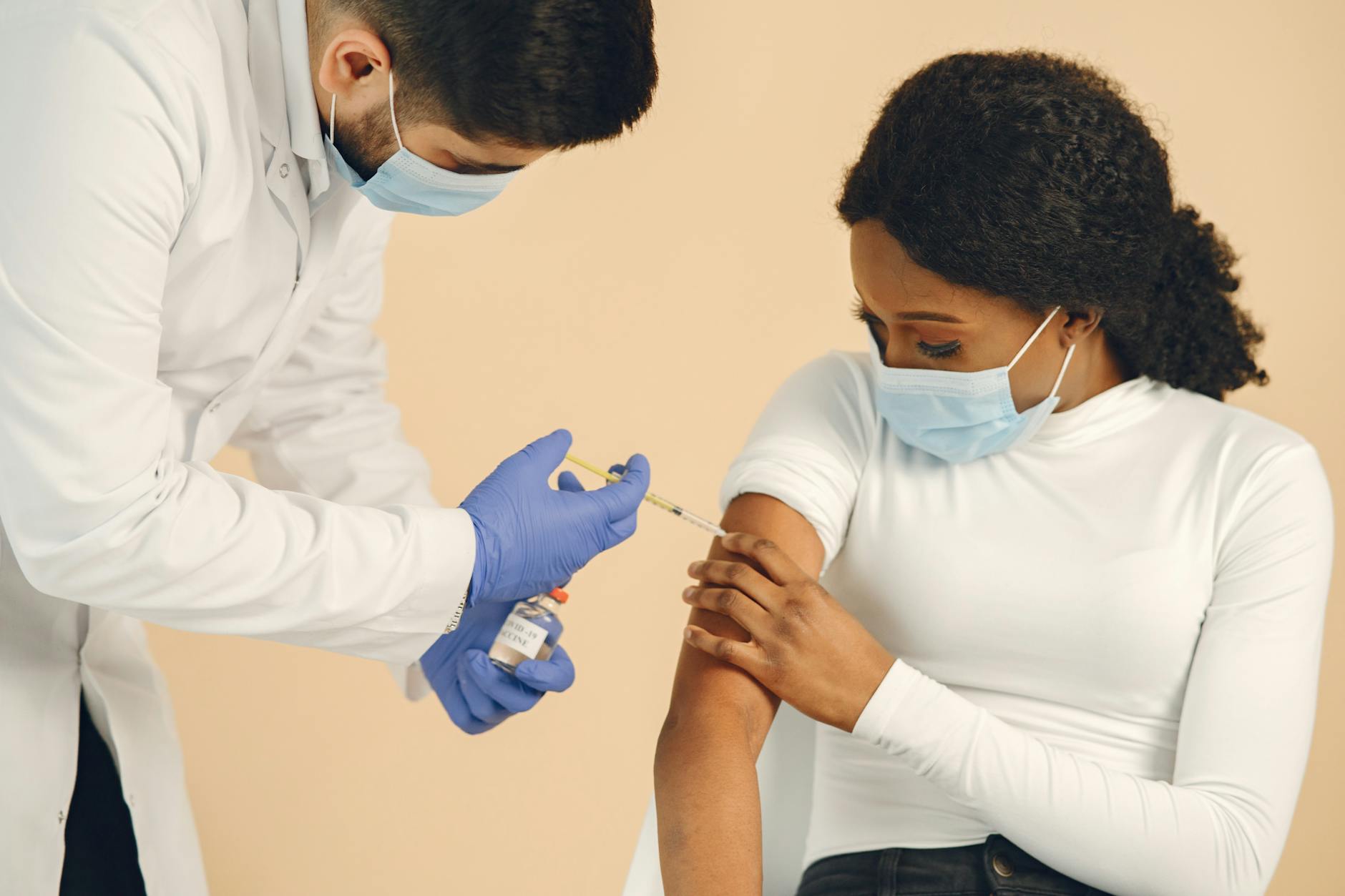
Meningococcal disease is a rare but devastating bacterial infection that can kill a previously healthy person in less than 24 hours. Although it affects only about 1,000 to 2,600 people annually in the United States, its rapid progression and high fatality rate make it a serious public health concern. Understanding the facts behind this illness is one of the best ways to protect yourself and the people you care about.
1. It Is Caused by a Specific Bacterium
Meningococcal disease is caused by the bacterium Neisseria meningitidis, also known as meningococcus. This germ lives in the nose and throat of roughly 10% of the population without causing any symptoms. Problems arise when the bacteria invade the bloodstream or the membranes surrounding the brain and spinal cord. Research indicates that disease typically arises from pharyngeal carriage of Neisseria meningitidis, meaning the bacteria travel from the throat into deeper tissues. The shift from harmless carriage to invasive disease depends on factors like immune status and the virulence of the specific bacterial strain. Knowing the cause helps researchers develop better vaccines and treatments.
2. It Can Take More Than One Form
Many people equate meningococcal disease solely with meningitis, but it actually presents in several ways. The two most common forms are meningococcal meningitis, which is an infection of the brain and spinal cord lining, and meningococcemia, a dangerous bloodstream infection. Meningococcemia can cause a distinctive purplish rash and rapid organ failure. Some patients develop both conditions simultaneously, making treatment even more urgent. Recognizing that this disease has multiple presentations can prevent dangerous misdiagnosis in its earliest stages.
3. Symptoms Can Mimic the Flu at First
Early signs of meningococcal disease often look like a common cold or flu. Fever, headache, fatigue, and muscle aches may appear first, which is why many people delay seeking help. Within hours, however, symptoms can escalate to neck stiffness, confusion, sensitivity to light, and a rapidly spreading rash that does not fade under pressure. This deceptive early phase is one reason the infection is so dangerous. If you or someone you know develops a sudden high fever combined with a stiff neck or unusual rash, seek emergency medical care immediately.
4. It Progresses Alarmingly Fast
Speed is the defining feature of meningococcal disease. A person can go from feeling fine to critically ill in under 24 hours. According to clinical evidence, even with prompt antibiotic treatment, the mortality rate remains between 10 and 14 percent. Without treatment, that number climbs dramatically. This rapid timeline means that every hour of delay reduces a patient’s chance of survival. Emergency departments prioritize suspected meningococcal cases precisely because the window for effective intervention is so narrow.
5. Certain Age Groups Face Higher Risk
While anyone can develop meningococcal disease, certain groups are especially vulnerable. Infants under one year old have the highest incidence rates because their immune systems are still developing. Adolescents and young adults between 16 and 23 represent another peak risk group. Studies show that adolescents and young adults play a key role in meningococcal transmission, partly due to close-contact living situations like college dormitories. People with certain immune deficiencies or those who have had their spleen removed also face elevated risk. Understanding your risk level helps guide vaccination decisions.
6. There Are Multiple Serogroups
Neisseria meningitidis is not a single uniform threat. Scientists classify the bacterium into serogroups based on the structure of its outer capsule. Serogroups A, B, C, W, X, and Y are responsible for most human disease worldwide. In the United States, serogroups B, C, and Y cause the majority of cases. Each serogroup may require a different vaccine for effective prevention. This diversity is one reason a single shot cannot protect against all forms of meningococcal disease, and it drives ongoing research into broader vaccine strategies.
7. Vaccines Have Dramatically Reduced Cases
Vaccination remains the most powerful tool against meningococcal disease. Conjugate vaccines targeting serogroups A, C, W, and Y have been available for years and are routinely recommended for preteens and teens. A recent comprehensive review noted that conjugate vaccines have led to significant declines in serogroups C and Y, though serogroup B continues to persist. Separate serogroup B vaccines are now available and recommended in certain higher-risk situations. Talk to your healthcare provider about which vaccines are appropriate for you or your child based on age and risk factors.
8. Close Contact Increases Transmission Risk
Meningococcal bacteria spread through respiratory and throat secretions. Coughing, kissing, sharing utensils, and living in crowded quarters all raise the chance of transmission. College freshmen in dormitories, military recruits in barracks, and travelers to regions with high rates face increased exposure. The bacteria do not survive long outside the body, so casual contact like sitting near someone on a bus is generally low risk. Practical steps like avoiding shared drinks and maintaining good respiratory hygiene can reduce your exposure in communal settings.
9. Survivors May Face Long-Term Complications
Surviving meningococcal disease does not always mean a full recovery. Research suggests that up to 20% of survivors experience lasting health consequences. These can include hearing loss, brain damage, kidney failure, and limb amputations resulting from tissue death caused by meningococcemia. Psychological effects like anxiety, depression, and post-traumatic stress are also common among survivors and their families. Rehabilitation can be lengthy and demanding. These potential long-term outcomes underscore why prevention through vaccination and early treatment is so critical.
10. Prophylactic Antibiotics Protect Close Contacts
When someone is diagnosed with meningococcal disease, public health officials act quickly to identify close contacts. Household members, romantic partners, and anyone who shared saliva with the patient in the days before diagnosis may be offered prophylactic antibiotics. Drugs like rifampin, ciprofloxacin, or ceftriaxone can eliminate carriage of the bacteria before it causes illness. This intervention is time-sensitive and typically needs to happen within 24 hours of identifying the case. If you are notified as a close contact, follow medical guidance promptly to protect yourself and break the chain of transmission.
Meningococcal disease is uncommon, but its speed and severity demand awareness. Staying current on recommended vaccinations, recognizing early warning signs, and seeking emergency care at the first sign of trouble are the most effective ways to protect yourself and your family. Speak with your doctor today about whether you or your loved ones are up to date on meningococcal vaccines.
Medical Disclaimer: This article is for informational purposes only and does not constitute medical advice. Always consult a qualified healthcare professional before making health decisions.




