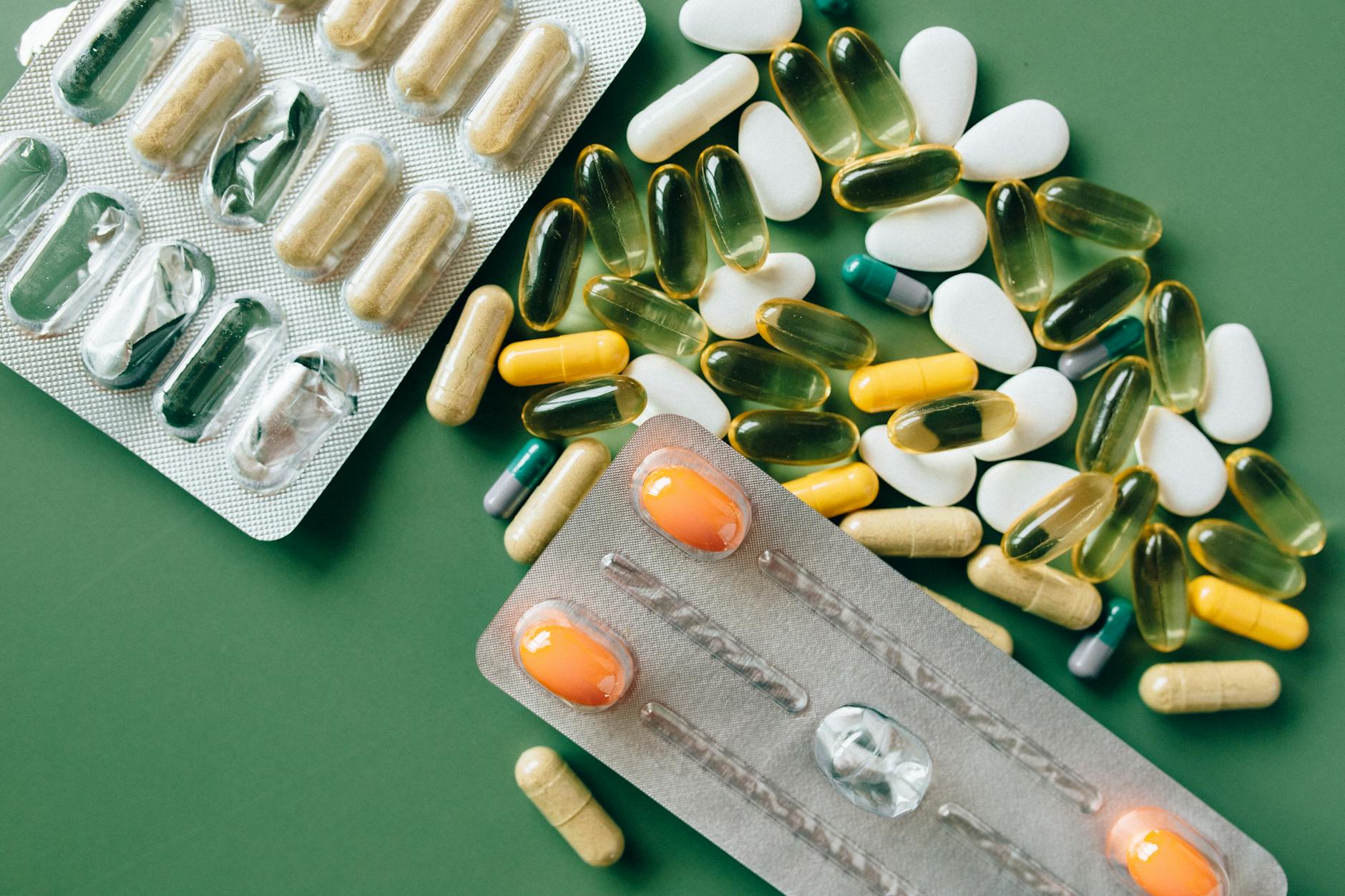
Milk thistle is one of the most popular herbal supplements in the world, with millions of people using it specifically for liver support. Whether you’re curious about protecting your liver after years of medication use, exploring natural support for a diagnosed liver condition, or simply want to understand what the research really says, the connection between milk thistle and liver health deserves a closer look. Here are ten science-backed facts to help you separate hype from evidence.
1. Silymarin Is the Active Compound Behind Milk Thistle’s Liver Benefits
When people talk about milk thistle liver support, they’re really talking about silymarin. Silymarin is a complex of flavonolignans extracted from the seeds of the milk thistle plant, Silybum marianum. It has demonstrated antioxidant, anti-inflammatory, and cell-protective properties in laboratory studies. Silybin is the most potent component within silymarin and is believed to drive most of its biological activity. According to the NIH, milk thistle is widely used for liver conditions including non-alcoholic fatty liver disease and hepatitis. If you’re shopping for a milk thistle supplement, look for products standardized to 70-80% silymarin content for consistency.
2. It Has a Long History as a Traditional Liver Tonic
Milk thistle isn’t a modern wellness trend. Healers in ancient Greece and Rome used the plant to treat liver and gallbladder ailments over two thousand years ago. European herbalists continued this tradition through the Middle Ages. Today, it remains one of the most researched herbal remedies for liver health globally. Germany’s Commission E, a scientific advisory board, has approved milk thistle as a supportive treatment for certain liver conditions. While traditional use doesn’t equal clinical proof, this long track record is part of why researchers continue to study it seriously.
3. Research Suggests It May Improve Some Liver Function Markers
Several clinical studies have examined whether milk thistle can improve blood markers that indicate liver stress. A NIH systematic review found that milk thistle may improve certain liver function tests in people with alcoholic liver disease and viral hepatitis. Specifically, some trials showed modest reductions in ALT and AST, two enzymes that rise when liver cells are damaged. However, the same review noted that the evidence is not strong enough to broadly recommend milk thistle as a treatment. Consider it a potentially helpful supplement, not a replacement for medical therapy.
4. It Has Not Been Proven to Reduce Mortality in Liver Disease
Despite its popularity, milk thistle has not shown a clear ability to extend life in people with chronic liver conditions. A PubMed meta-analysis of 14 clinical trials found no significant reduction in mortality among patients with chronic liver disease. The analysis also found no meaningful improvements in liver tissue samples or key biochemical markers. This is an important fact for anyone relying solely on milk thistle for a serious liver diagnosis. If you have chronic liver disease, work with your doctor to build a comprehensive treatment plan that may include milk thistle as a complementary option.
5. It Shows Promise for Non-Alcoholic Fatty Liver Disease
Non-alcoholic fatty liver disease, or NAFLD, affects roughly one in four adults worldwide. It develops when excess fat accumulates in liver cells without significant alcohol consumption. Several studies suggest silymarin may help reduce liver inflammation and oxidative stress associated with NAFLD. Research also indicates it may improve insulin resistance, a key driver of fatty liver progression. Some clinical trials have shown modest reductions in liver fat and inflammation markers after several months of supplementation. If you have NAFLD, adding milk thistle to a healthy lifestyle that includes diet changes and exercise may offer additional support.
6. Milk Thistle Is Generally Safe and Well-Tolerated
One consistent finding across clinical research is that milk thistle has a strong safety profile. Most studies report very few adverse effects, with mild gastrointestinal symptoms like bloating or nausea being the most common complaints. According to the NIH, milk thistle itself is not implicated in causing liver injury, which is noteworthy for a supplement people take specifically for liver protection. Allergic reactions are rare but possible, particularly in people allergic to ragweed, daisies, or other plants in the Asteraceae family. Always start with the lowest recommended dose and monitor how your body responds.
7. Intravenous Silibinin Is Used as an Antidote for Mushroom Poisoning
One of the most dramatic uses of milk thistle involves emergency medicine. Silibinin, a purified component of silymarin, is administered intravenously in Europe as an antidote for Amanita phalloides mushroom poisoning. This deadly mushroom, often called the death cap, destroys liver cells rapidly. Clinical evidence shows that silibinin can block toxin uptake by liver cells and improve survival rates when given early. This medical application is quite different from taking oral supplements, but it underscores the biological potency of milk thistle compounds. It remains one of the few herbal-derived treatments used in acute medical emergencies.
8. Dosage and Formulation Matter Significantly
Not all milk thistle supplements are created equal. Silymarin has relatively low bioavailability, meaning your body doesn’t absorb it very efficiently from standard capsules. Researchers have developed enhanced formulations, including phytosome complexes that bind silymarin to phospholipids for better absorption. Clinical studies typically use doses ranging from 140 to 800 milligrams of silymarin daily, divided into two or three servings. The wide variation in dosing across studies makes it difficult to pinpoint one ideal amount. When choosing a product, look for third-party testing certifications and consider phospholipid-bound formulations for improved uptake.
9. It May Interact with Certain Medications
While milk thistle is generally safe, it can interact with some prescription drugs. Silymarin may affect liver enzymes responsible for metabolizing medications, particularly those processed through the cytochrome P450 pathway. This could theoretically alter the blood levels of drugs like statins, blood thinners, and certain anti-anxiety medications. People taking immunosuppressants after organ transplants should be especially cautious. Some evidence suggests milk thistle could reduce the effectiveness of these critical drugs. Always discuss milk thistle with your healthcare provider before adding it to your routine, especially if you take prescription medications daily.
10. Milk Thistle Works Best as Part of a Comprehensive Liver Health Strategy
No single supplement can undo years of liver stress on its own. Research suggests that milk thistle liver benefits are most meaningful when combined with other healthy habits. Reducing alcohol intake, maintaining a healthy weight, and eating a balanced diet rich in vegetables and lean proteins all support liver function. Regular exercise helps reduce liver fat and improve insulin sensitivity. Staying hydrated and limiting exposure to environmental toxins also play important roles. Think of milk thistle as one piece of a larger puzzle rather than a standalone solution for liver health.
Milk thistle remains one of the most studied herbal supplements for liver support, with a reassuring safety profile and some promising but limited clinical evidence. If you’re interested in trying it, choose a high-quality formulation and talk to your doctor first, especially if you have an existing liver condition or take prescription medications. Building strong daily habits around diet, exercise, and moderate alcohol use will always be the foundation of lasting liver health.
Medical Disclaimer: This article is for informational purposes only and does not constitute medical advice. Always consult a qualified healthcare professional before making health decisions.




