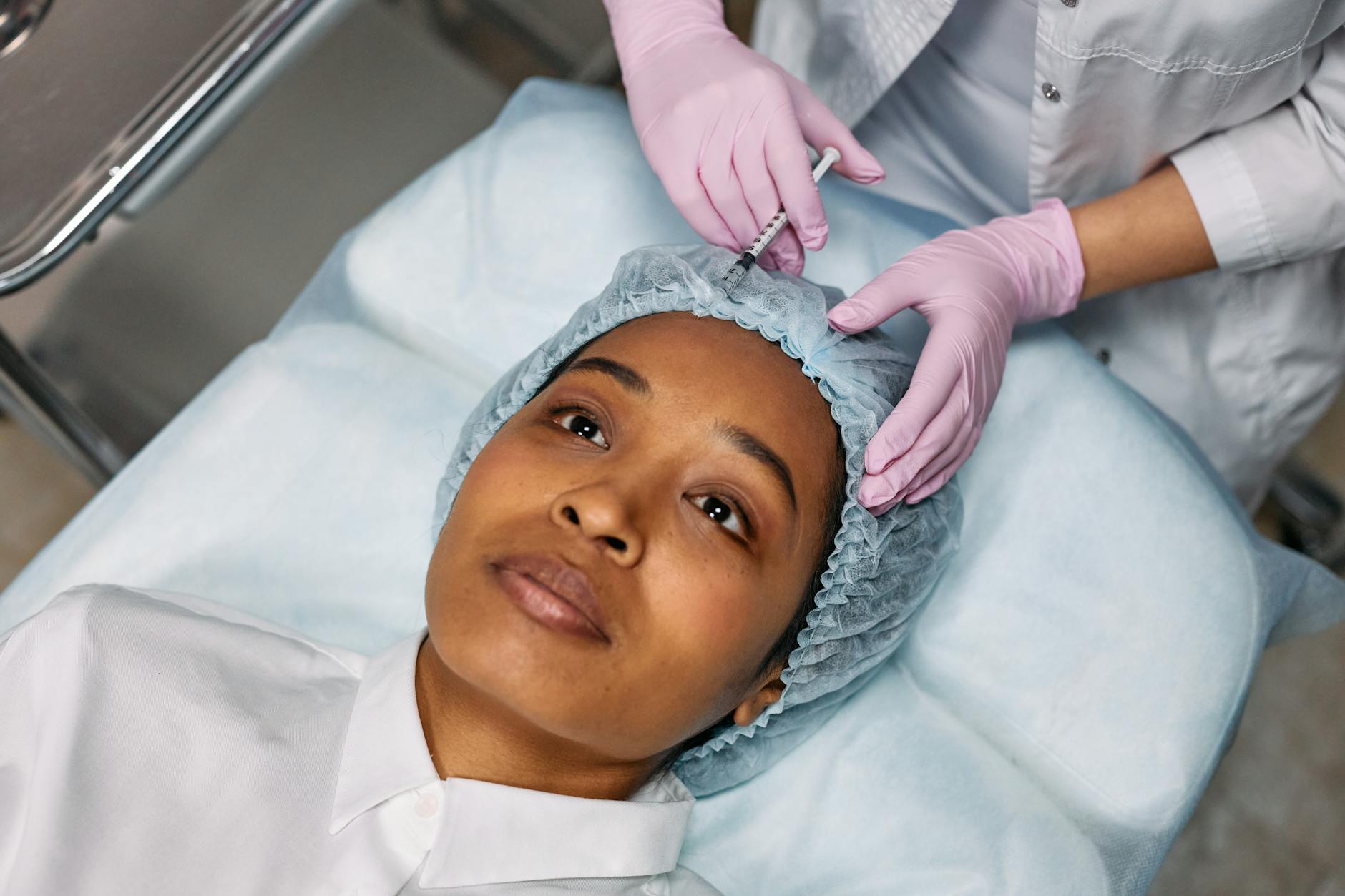
Molluscum contagiosum is a common viral skin infection that affects millions of people each year, especially children and those with weakened immune systems. The small, dome-shaped bumps it causes are usually harmless but can spread easily and linger for months without intervention. Finding the right molluscum contagiosum treatment can speed up clearance and reduce the risk of spreading the virus to others.
1. Cantharidin (Ycanth / VP-102)
Cantharidin is a blistering agent derived from blister beetles, and it has become one of the most widely used in-office treatments for molluscum contagiosum. A healthcare provider applies a small amount of the solution directly to each bump, which causes a blister to form underneath. The blister lifts the infected skin away, allowing the lesion to heal over the following days. Research published in PubMed Central notes that topical cantharidin 0.7% (Ycanth) is currently the only FDA-approved treatment specifically for molluscum contagiosum. Ask your dermatologist whether this clinician-applied option is a good fit for your situation.
2. Cryotherapy
Cryotherapy involves freezing individual molluscum lesions with liquid nitrogen. The extreme cold destroys the infected tissue, prompting the body to shed the bump as it heals. It is a quick procedure typically performed in a dermatologist’s office. Studies suggest that cryotherapy is among the most effective interventions for achieving complete clearance of molluscum lesions compared to placebo. Multiple sessions may be needed, and mild discomfort or temporary redness at the treatment site is common.
3. Curettage
Curettage is a physical removal method where a provider uses a small, spoon-shaped instrument called a curette to scrape away each molluscum bump. It provides fast, visible results because the infected tissue is removed on the spot. A numbing cream is usually applied beforehand to minimize pain. According to the NIH, curettage is considered a primary treatment alongside cryotherapy and electrodesiccation. This approach works best for patients with a limited number of lesions.
4. Potassium Hydroxide (KOH)
Topical potassium hydroxide is an at-home option that has gained attention in recent years. It works by breaking down the protein in the outer layer of infected skin cells, eventually causing the bumps to dissolve. Concentrations typically range from five to ten percent, applied with a small applicator. Clinical evidence shows that KOH ranks among the most effective topical interventions for molluscum clearance. Mild stinging or redness during application is normal, but the convenience of home use makes it appealing for families with young children.
5. Podophyllotoxin
Podophyllotoxin is a plant-derived compound with antiviral and cytotoxic properties. It works by interfering with cell division in infected skin, leading to the destruction of molluscum lesions over time. This topical agent is typically applied in cycles, with a few days of treatment followed by rest periods. Research suggests it is one of the top-performing treatments for complete lesion clearance. Your doctor can help determine the right concentration and application schedule to minimize skin irritation while maximizing effectiveness.
6. Berdazimer Gel (SB206)
Berdazimer gel represents one of the newest frontiers in molluscum contagiosum treatment. This topical product releases nitric oxide directly into the skin, which has broad antiviral effects against the molluscum virus. Phase III clinical trials have shown promising safety and efficacy results, making it a strong candidate for FDA approval. The gel is applied at home, which offers convenience for parents managing their child’s condition. Talk to your dermatologist about whether this emerging therapy might become available as an option for you.
7. Electrodesiccation
Electrodesiccation uses a fine needle to deliver a mild electric current directly into molluscum bumps. The current dries out and destroys the infected tissue, allowing the skin to heal cleanly. It is typically performed under local anesthesia in a clinical setting, and each lesion takes only seconds to treat. This method is especially useful for stubborn or recurring bumps that have not responded to topical therapies. Some temporary scarring or skin discoloration may occur, so discuss the cosmetic considerations with your provider beforehand.
8. Imiquimod Cream
Imiquimod is an immune response modifier originally developed for genital warts and certain skin cancers. When applied to molluscum bumps, it stimulates the body’s local immune system to recognize and fight the virus. It is used off-label for molluscum, meaning it is not specifically FDA-approved for this purpose but is still commonly prescribed. Treatment typically involves applying the cream several times per week for several weeks. Results can vary, and some people experience redness or irritation at the application site, so consistent follow-up with a dermatologist is important.
9. Salicylic Acid
Over-the-counter salicylic acid is a familiar ingredient found in many acne and wart products. For molluscum contagiosum, it works as a keratolytic agent, gradually peeling away the outer layers of the infected bump. Concentrations between twelve and seventeen percent are most commonly used. The treatment requires daily application and patience, as it can take weeks to see noticeable improvement. Salicylic acid is widely available and affordable, making it a reasonable first step for mild cases before moving to stronger prescription options.
10. Watchful Waiting
Sometimes the best molluscum contagiosum treatment is no active treatment at all. The virus is self-limiting in most healthy individuals, meaning the immune system will eventually clear it on its own. This process typically takes six to twelve months, though some cases persist longer. Watchful waiting may be preferred when bumps are few, painless, and located in areas not prone to spreading through friction. Your doctor can help you weigh the pros and cons of waiting versus treating, especially if the lesions are causing emotional distress or spreading to other people.
Molluscum contagiosum can be frustrating, but the good news is that multiple proven treatment options exist for every age and severity level. Whether you choose an in-office procedure like cryotherapy or a topical therapy like cantharidin, the key first step is scheduling a visit with a dermatologist to create a plan tailored to your specific needs.
Medical Disclaimer: This article is for informational purposes only and does not constitute medical advice. Always consult a qualified healthcare professional before making health decisions.




