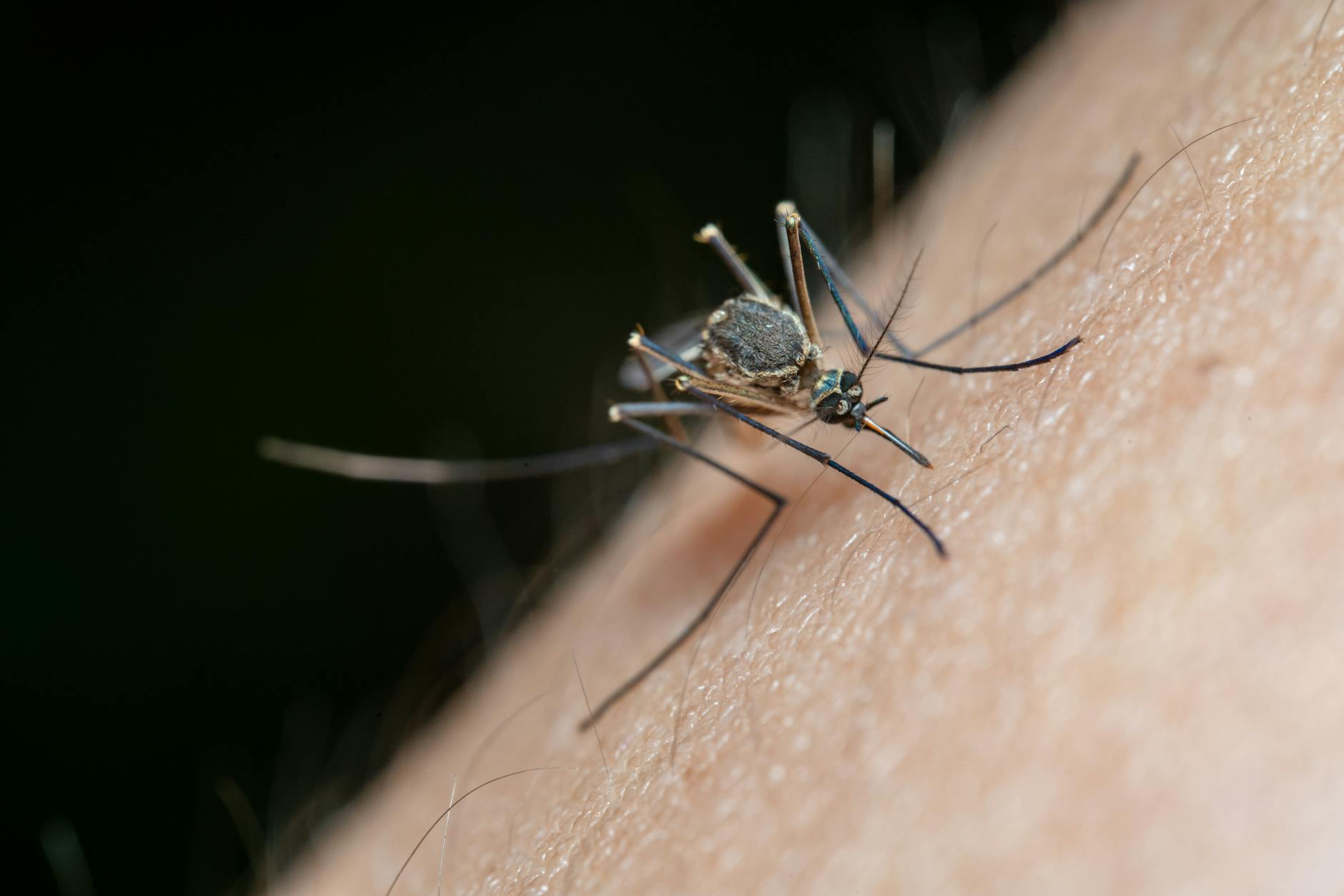
West Nile virus is the leading cause of mosquito-borne illness in the continental United States, with thousands of cases reported each year. Despite its widespread presence, many people know surprisingly little about how the virus works, who it threatens most, and why it continues to expand across the globe. Here are ten essential facts that can help you stay informed and better protected.
1. Mosquitoes Are the Primary Carriers
West Nile virus spreads mainly through the bite of infected mosquitoes, particularly species in the Culex genus. These mosquitoes pick up the virus by feeding on infected birds, which serve as the natural reservoir. Humans and horses are considered dead-end hosts, meaning they typically do not pass the virus along. Research has even confirmed that Culex pipiens mosquitoes can sustain endemic maintenance cycles in urban environments like Berlin. Reducing standing water around your home is one of the simplest ways to cut down mosquito breeding sites and lower your risk of exposure.
2. Most Infected People Never Show Symptoms
Roughly 80 percent of people infected with West Nile virus experience no symptoms at all. This means the virus circulates far more widely than reported case numbers suggest. Among those who do get sick, symptoms tend to be mild and flu-like, including fever, headache, and body aches. Because the infection often goes unnoticed, many people develop immunity without ever realizing they were exposed. If you develop an unexplained fever during mosquito season, it is worth mentioning your concerns to a doctor.
3. A Small Percentage Develop Severe Neurological Disease
While most cases are mild, about one in 150 infected individuals develops a serious neurological condition. These complications can include encephalitis, meningitis, or acute flaccid paralysis. Symptoms of severe disease involve high fever, neck stiffness, disorientation, tremors, and even coma. A recent review of West Nile virus pathogenesis highlights that neuroinvasive disease carries a fatality rate of approximately 10 percent. Seeking immediate medical attention for severe headache, confusion, or muscle weakness during summer months could be lifesaving.
4. Older Adults and Immunocompromised People Face the Greatest Risk
Age is one of the strongest predictors of severe West Nile virus outcomes. Adults over 60 are significantly more likely to develop neuroinvasive disease compared to younger individuals. People with weakened immune systems, including organ transplant recipients and those undergoing chemotherapy, also face heightened vulnerability. The reasons are complex but relate to the body’s diminished ability to mount an effective antiviral response. If you or a loved one falls into a high-risk category, taking extra mosquito precautions during peak season is especially important.
5. There Is No Vaccine or Specific Antiviral Treatment for Humans
Despite decades of research, no approved vaccine or targeted antiviral drug exists for West Nile virus in humans. Treatment remains entirely supportive, focusing on pain relief, intravenous fluids, and respiratory support for severe cases. Vaccines do exist for horses, which are also highly susceptible to the virus. A comprehensive review notes that several human vaccine candidates have entered clinical trials but none have reached market approval. This gap makes personal prevention strategies all the more critical for staying safe.
6. The Virus Has Spread to Every Continent Except Antarctica
First identified in Uganda in 1937, West Nile virus has since spread across Africa, Europe, the Middle East, Asia, Australia, and the Americas. It arrived in North America in 1999 and rapidly moved coast to coast within just a few years. Climate change, migratory bird patterns, and global trade have all contributed to its expanding range. Warmer temperatures extend mosquito breeding seasons, giving the virus more opportunities to circulate. Understanding its global reach helps explain why public health agencies worldwide treat it as a persistent concern.
7. Birds Play a Central Role in the Virus Cycle
Wild birds are the primary amplifying hosts for West Nile virus, meaning they carry high enough viral loads to infect feeding mosquitoes. Corvids like crows and jays are especially susceptible and often die from the infection. When you notice unusual bird die-offs in your area, it can signal active viral circulation nearby. Public health departments frequently use bird surveillance data to track and predict outbreaks. Reporting dead birds to your local health authority is a simple action that supports community-wide monitoring efforts.
8. Peak Transmission Season Runs From Summer Through Early Fall
West Nile virus transmission peaks during the warmest months when mosquito populations are highest. In most of the United States, this window stretches from June through September, though it can extend into October in southern states. Mosquitoes are most active during dawn and dusk, making these the riskiest times for outdoor exposure. Wearing long sleeves, using EPA-registered insect repellent, and staying indoors during peak biting hours all reduce your chances of infection. Planning outdoor activities around mosquito behavior is a practical protective habit.
9. Scientific Interest Has Declined Despite Ongoing Global Spread
One of the more concerning trends involves the scientific community itself. Research suggests that publication output on West Nile virus peaked in the early 2000s and has notably declined since 2006, even as the virus continues expanding into new regions. Funding and research attention often shift toward newer emerging threats, leaving gaps in our understanding and treatment options. This decline matters because unanswered questions about long-term neurological effects and antiviral development remain. Advocating for sustained research funding helps ensure this virus does not become a neglected threat.
10. Long-Term Health Effects Can Linger for Months or Years
Recovery from severe West Nile virus infection is not always straightforward. Studies indicate that survivors of neuroinvasive disease frequently report lingering fatigue, memory problems, muscle weakness, and depression. These symptoms can persist for months or even years after the initial infection. The long-term burden is often underestimated because public attention focuses on acute illness. If you have recovered from a West Nile virus infection and still experience cognitive or physical difficulties, working with a rehabilitation specialist may help improve your quality of life.
West Nile virus remains a significant public health challenge that affects communities worldwide each mosquito season. Staying informed about how it spreads, who it threatens, and what protective steps actually work gives you a meaningful advantage. Start this season by eliminating standing water around your home and stocking up on effective insect repellent.
Medical Disclaimer: This article is for informational purposes only and does not constitute medical advice. Always consult a qualified healthcare professional before making health decisions.




