Nausea affects nearly everyone at some point, whether triggered by pregnancy, medication side effects, motion sickness, or a stomach bug. That queasy, unsettled feeling can make it impossible to eat, work, or even think clearly. The good news is that several research-supported strategies can offer meaningful nausea relief without always reaching for a prescription.
1. Ginger in Various Forms
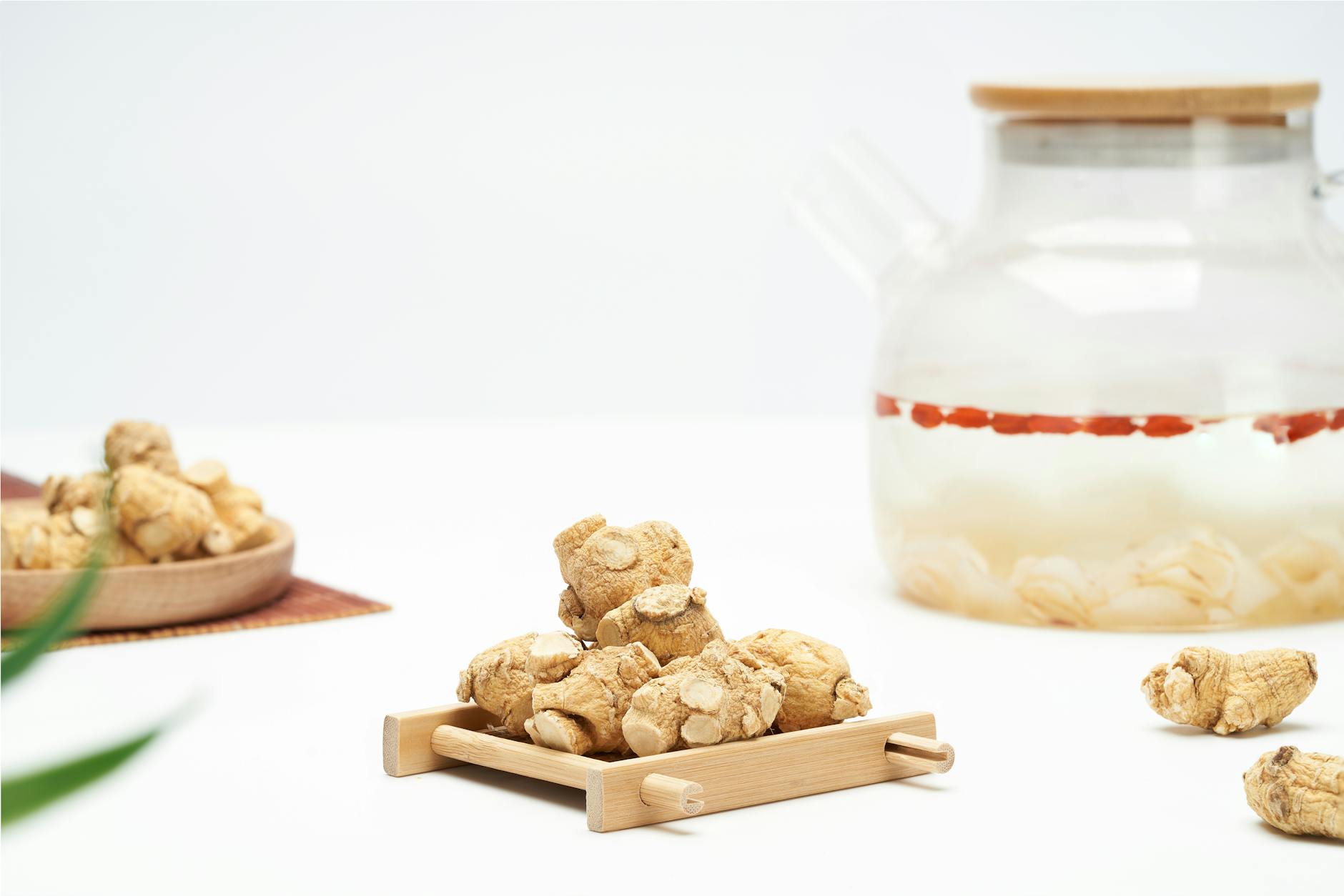
Ginger has been used for centuries as a stomach-calming remedy, and modern science backs it up. The root contains compounds called gingerols and shogaols that research suggests may help speed gastric emptying and reduce intestinal cramping. Studies indicate ginger can be particularly helpful for pregnancy-related and postoperative nausea. You can try it as a tea, in capsule form, or even as candied ginger chews. Start with a small amount, around 250 milligrams four times daily, and see how your body responds.
2. P6 Acupressure (Wristband Technique)
Pressing the P6 point on your inner wrist is one of the most accessible nausea relief methods available. This spot sits about three finger-widths below your wrist crease, between the two tendons. Clinical research demonstrates that P6 acupressure significantly reduces nausea severity and vomiting frequency while also reducing the need for anti-nausea medications. A pilot study found acupressure wristbands provided nausea relief in over 80% of episodes in patients on GLP-1 medications, with relief achieved within five to twenty minutes. Drugstore wristbands make this technique easy to use anywhere.
3. Controlled Deep Breathing
Slow, deliberate breathing is surprisingly effective at calming nausea. The technique works by activating your parasympathetic nervous system, which helps settle your stomach. Try inhaling slowly through your nose for four counts, holding for two, and exhaling through your mouth for six counts. Research suggests this method may be especially helpful for nausea triggered by anxiety, chemotherapy, or postoperative recovery. It costs nothing, has no side effects, and you can do it anywhere the moment nausea strikes.
4. Peppermint Aromatherapy
The scent of peppermint appears to have a direct calming effect on the stomach muscles. Clinical evidence shows that inhaling peppermint essential oil can reduce nausea intensity within minutes. Nurses in hospital settings have increasingly used peppermint aromatherapy for patients experiencing postoperative nausea. You can place a drop of peppermint oil on a cotton ball and hold it near your nose, or simply sip peppermint tea. Avoid this remedy if you have gastroesophageal reflux, since peppermint can sometimes worsen heartburn symptoms.
5. Small Sips of Clear Fluids
When nausea hits, gulping down water can actually make things worse. Instead, take tiny, frequent sips of clear fluids like broth, electrolyte drinks, or flat ginger ale. This approach helps prevent dehydration without overwhelming your stomach. Cold fluids tend to be better tolerated than warm ones during acute nausea. Aim for about two tablespoons every fifteen minutes, gradually increasing as your stomach settles. Staying hydrated is especially important if nausea is accompanied by vomiting.
6. The BRAT Diet for Recovery
Once the worst of your nausea begins to ease, what you eat matters tremendously. The BRAT diet — bananas, rice, applesauce, and toast — provides bland, easy-to-digest foods that are gentle on an irritated stomach. These low-fiber, low-fat options help firm up stools if nausea is paired with diarrhea. Studies suggest starting with very small portions and eating slowly. While this diet is helpful short-term, it lacks key nutrients, so transition back to a balanced diet within a day or two as you feel better.
7. Over-the-Counter Antiemetics
Medications like dimenhydrinate and meclizine are widely available and can provide reliable nausea relief, especially for motion sickness. Bismuth subsalicylate is another option that may help with nausea caused by minor stomach upsets. According to a comprehensive review of nausea and vomiting treatments, targeted medications including newer agents like aprepitant show strong effectiveness for specific nausea causes. Always read labels carefully and check for interactions with any current medications. Talk to your pharmacist if you are unsure which product fits your situation best.
8. Cool Compress on the Neck
Placing a cool, damp cloth on the back of your neck can provide surprisingly quick nausea relief. The cold helps lower your core body temperature slightly, which may counteract the heat flush that often accompanies nausea. This method also serves as a sensory distraction, redirecting your brain’s attention away from the queasy feeling. Keep the compress in place for ten to fifteen minutes while resting in a comfortable position. Pair it with deep breathing for a combined calming effect that many people find highly effective.
9. Positive Expectation and Mental Reframing
Your mindset can significantly influence how intensely you experience nausea. A clinical study demonstrated that positive instructions and conditioning can significantly reduce nausea response through placebo-like effects. In other words, believing a remedy will help may genuinely reduce your symptoms. This does not mean nausea is imaginary — it means the brain plays a powerful role in symptom perception. Try pairing any physical remedy with a calm, confident expectation that you will feel better soon.
10. Fresh Air and Upright Positioning
Sometimes the simplest strategies work remarkably well. Stepping outside for fresh air or opening a window can reduce nausea by removing triggering odors and increasing oxygen flow. Sitting upright or slightly reclined, rather than lying flat, helps prevent stomach acid from moving upward. Research suggests that body position influences gastric motility and can either worsen or improve nausea. If you are in a car, focus your eyes on the horizon to reduce motion-related signals. These low-tech adjustments often provide meaningful comfort while other remedies take effect.
Nausea rarely requires you to simply suffer through it — most people can find significant relief by combining two or three of these strategies. Start with the most accessible options like deep breathing, acupressure, and small sips of fluid, then layer in other methods as needed. If your nausea is severe, persistent, or accompanied by worrying symptoms like chest pain or high fever, reach out to your healthcare provider promptly.
Medical Disclaimer: This article is for informational purposes only and does not constitute medical advice. Always consult a qualified healthcare professional before making health decisions.




