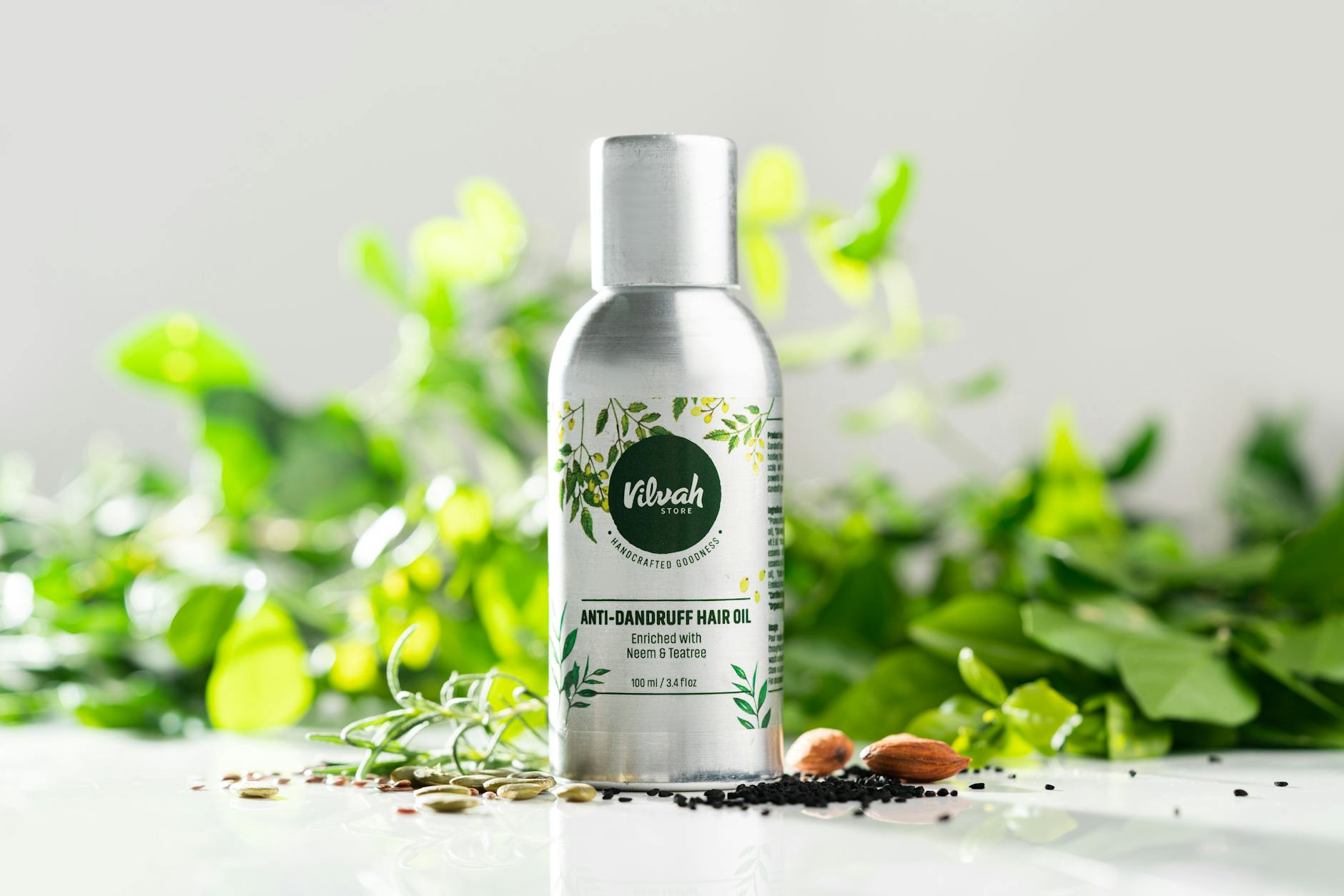
Neem oil, extracted from the seeds of the Azadirachta indica tree, has been a cornerstone of Ayurvedic medicine for thousands of years. Today, a growing body of scientific research suggests that this bitter, potent oil offers a remarkable range of benefits — from soothing irritated skin to repelling garden pests. Whether you are new to neem or looking for fresh ways to use it, these ten neem oil uses are worth exploring.
1. Soothing Inflammatory Skin Conditions
One of the most well-studied neem oil uses involves calming inflamed skin. Research suggests that neem oil contains compounds like nimbidin and nimbin that may help reduce redness, swelling, and itchiness. Studies indicate it could offer relief for conditions such as eczema and dermatitis by modulating the body’s inflammatory response. According to research published in PubMed, neem extracts exhibit significant anti-inflammatory and analgesic activities. To try it, dilute a few drops of neem oil in a carrier oil like coconut or jojoba and apply it to small affected areas after a patch test.
2. Fighting Acne-Causing Bacteria
Stubborn breakouts often stem from bacterial overgrowth on the skin. Neem oil’s natural antibacterial properties may help target the microbes that contribute to acne. Its fatty acid content also helps moisturize without clogging pores, which is a bonus for oily skin types. Clinical evidence shows that neem-based topical formulations can reduce bacterial counts on the skin’s surface. Consider adding a drop or two of neem oil to your regular moisturizer as part of your nighttime routine.
3. Supporting Scalp Health and Reducing Dandruff
A flaky, itchy scalp can be both uncomfortable and embarrassing. Neem oil’s antifungal properties may help combat Malassezia, the fungus commonly linked to dandruff. It also moisturizes the scalp, potentially reducing dryness that leads to flaking. As noted in a review on PubMed, neem possesses anti-microbial and antiseptic properties that support its use in treating various dermatological disorders. Try mixing neem oil into your shampoo or applying a diluted scalp mask before washing your hair.
4. Promoting Natural Wound Healing
Minor cuts, scrapes, and abrasions are a part of daily life. Research suggests that neem oil may accelerate wound healing by promoting collagen production and reducing infection risk at the wound site. Its antiseptic qualities create a less hospitable environment for harmful bacteria. Studies have noted that neem demonstrates notable wound-healing and anti-inflammatory effects in both animal and preliminary human research. After cleaning a minor wound, applying diluted neem oil may offer an extra layer of protection.
5. Acting as a Natural Insect Repellent
Neem oil has long been valued as a natural deterrent for mosquitoes, gnats, and other biting insects. The active compound azadirachtin interferes with insect feeding and reproductive cycles. Unlike synthetic chemical sprays, neem oil offers a plant-based alternative with a milder environmental footprint. Some studies indicate that neem-based repellents can provide several hours of protection against certain mosquito species. You can create a simple spray by mixing neem oil with water and a small amount of liquid soap in a spray bottle.
6. Protecting Garden Plants from Pests
Home gardeners often reach for neem oil as an organic pest control solution. It works against aphids, whiteflies, spider mites, and many other common garden invaders. Azadirachtin disrupts insect growth and feeding patterns without harming beneficial pollinators like bees when used correctly. This makes neem oil a popular choice for organic farming and backyard vegetable gardens alike. Spray a diluted neem oil solution on plant leaves in the early morning or late evening for best results.
7. Supporting Oral Hygiene
Neem twigs have been used as natural toothbrushes in South Asia for generations. Modern research suggests there is real science behind this tradition. According to clinical evidence reviewed in PubMed, neem demonstrates measurable benefits for periodontal health, including reduced plaque and gum inflammation. Neem-infused toothpastes and mouthwashes are now widely available. Look for oral care products that list neem as an active ingredient if you want to incorporate it into your dental routine.
8. Managing Psoriasis Symptoms
Psoriasis causes painful, scaly patches of skin that can significantly affect quality of life. While there is no cure, neem oil may help manage flare-ups. Its combination of anti-inflammatory and moisturizing compounds can soothe irritated skin and reduce scaling. Some clinical observations suggest that regular topical application of neem-based formulations may improve psoriasis symptoms over time. Always discuss new topical treatments with your dermatologist, especially if you are already on a prescribed regimen.
9. Offering Antioxidant Protection
Free radicals from pollution, UV exposure, and stress contribute to premature skin aging. Neem oil is rich in antioxidants, including quercetin and vitamin E, which may help neutralize these harmful molecules. This antioxidant activity could support healthier-looking skin over time. As research highlighted in PubMed notes, neem extracts show strong antioxidant and immunomodulatory effects. Adding a small amount of diluted neem oil to your skincare routine may provide an extra shield against environmental damage.
10. Conditioning Dry and Brittle Hair
Dry, brittle hair can benefit from neem oil’s deeply moisturizing fatty acids. The oil penetrates the hair shaft and helps restore moisture without leaving a heavy, greasy feel. It may also strengthen hair strands and reduce breakage over time. Some people use neem oil as a hot oil treatment by warming it slightly and massaging it into the hair and scalp. Leave it on for thirty minutes under a warm towel, then shampoo thoroughly for softer, more manageable hair.
Neem oil is a remarkably versatile natural remedy with a growing body of research supporting its many potential benefits. From your skin and scalp to your garden and medicine cabinet, there are plenty of practical ways to put it to use. Start with one or two applications that match your needs, and always do a patch test before applying neem oil directly to your skin.
Medical Disclaimer: This article is for informational purposes only and does not constitute medical advice. Always consult a qualified healthcare professional before making health decisions.




