Your abdomen contains a thin layer of fluid that most people never think about until something goes wrong. Peritoneal fluid serves as a quiet protector of your internal organs, and changes in its volume or composition can signal a wide range of health conditions. Understanding this fluid can help you have more informed conversations with your doctor when abdominal symptoms arise.
1. It Acts as a Natural Lubricant for Your Organs
Peritoneal fluid is a thin, straw-colored liquid found inside the peritoneal cavity. This cavity is the space between the abdominal wall and your internal organs. The fluid’s primary job is to reduce friction. Without it, your intestines, stomach, and liver would rub against each other with every breath and movement. A healthy body typically holds about 50 to 75 milliliters of this fluid at any given time. That small amount is enough to keep everything gliding smoothly. Think of it as the body’s built-in lubricant for your abdominal organs. When peritoneal fluid levels stay balanced, most people never notice it exists.
2. Abnormal Buildup Is Called Ascites
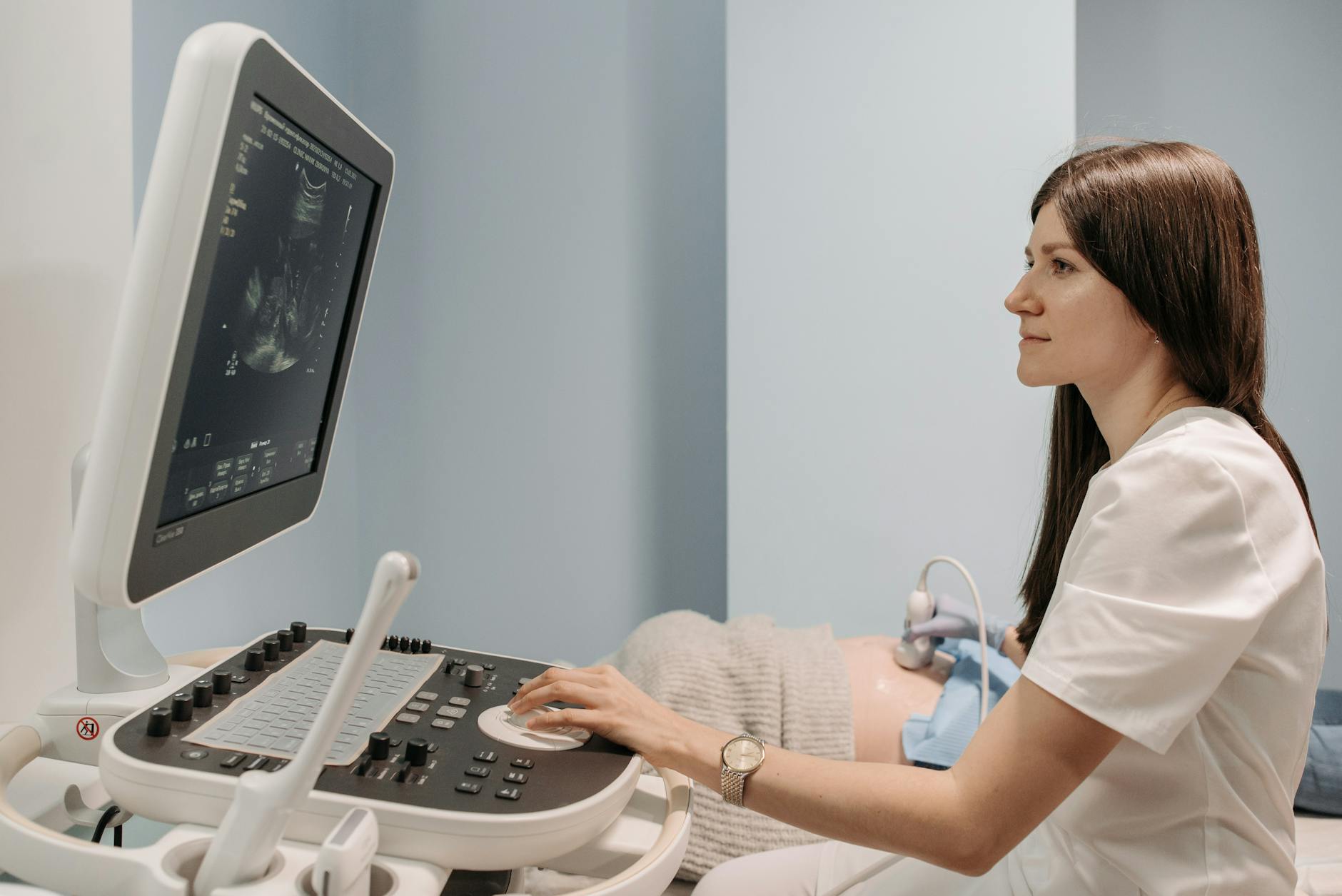
When peritoneal fluid accumulates beyond normal levels, the condition is known as ascites. This buildup can cause noticeable abdominal swelling, discomfort, and difficulty breathing. Liver cirrhosis is the most common cause, accounting for a large majority of ascites cases. However, heart failure, kidney disease, and certain cancers can also trigger fluid accumulation. Doctors often detect ascites during a physical exam or through imaging like ultrasound. Early identification matters because ascites can worsen rapidly without treatment. If you notice unexplained belly swelling or sudden weight gain, it is worth bringing up with your healthcare provider right away.
3. Analyzing It Can Help Diagnose Serious Conditions
A procedure called paracentesis allows doctors to collect peritoneal fluid for testing. During this procedure, a thin needle is inserted into the abdomen to withdraw a sample. The fluid is then analyzed for protein levels, cell counts, and the presence of bacteria. This analysis helps distinguish between infections, liver disease, and malignancies. One key measurement is the serum-ascites albumin gradient, or SAAG. A high SAAG typically points to portal hypertension from liver disease. A low SAAG may suggest cancer, tuberculosis, or pancreatic issues. This simple test can provide clinicians with powerful diagnostic clues.
4. It Contains Immune Cells That Fight Infection
Peritoneal fluid is not just a passive lubricant. It contains macrophages, lymphocytes, and other immune cells ready to defend against invaders. These cells patrol the peritoneal cavity and respond quickly to bacteria or foreign substances. When infection does occur within this space, the condition is called peritonitis. Peritonitis is a medical emergency that requires immediate treatment with antibiotics. Research published in NIH/PMC has shown that cytokine levels in peritoneal fluid can even help predict sepsis severity after abdominal surgery. This highlights how the fluid serves as both a shield and a diagnostic window.
5. Peritoneal Dialysis Uses It as a Treatment Medium
For people with kidney failure, the peritoneal cavity can serve as a natural filter. Peritoneal dialysis works by filling the abdomen with a special solution called dialysate. The peritoneal membrane then acts as a filter, pulling waste and excess fluid from the blood. This method offers an alternative to traditional hemodialysis and can often be done at home. Recent research highlighted by NIH/PMC discusses advancements in dialysis fluid formulations aimed at improving biocompatibility and reducing long-term peritoneal damage. Talk with a nephrologist to learn whether peritoneal dialysis may be a suitable option for you or a loved one.
6. Fluid Overload During Dialysis Poses Real Risks
While peritoneal dialysis is effective, managing fluid balance is critical. Fluid overload occurs when the body retains too much water during the dialysis process. This can lead to high blood pressure, swelling, and strain on the heart. A comprehensive review published in PubMed examined how bioimpedance technology offers a noninvasive way to assess fluid status in dialysis patients. The study also linked fluid overload to increased mortality and technique failure. Regular monitoring and close collaboration with a dialysis care team can help keep fluid levels in a safe range. Awareness of this risk is essential for anyone on peritoneal dialysis.
7. Pressure Changes in the Abdomen Affect Its Behavior
Intra-abdominal pressure plays a significant role in how peritoneal fluid moves and functions. When pressure rises, it can alter fluid absorption rates and solute transport across the peritoneal membrane. This is especially relevant for patients undergoing continuous ambulatory peritoneal dialysis. Research in PubMed found that increased intra-abdominal pressure directly affects peritoneal fluid kinetics. Factors like obesity, large dialysis fill volumes, and body position can all increase this pressure. Understanding these dynamics helps clinicians optimize dialysis prescriptions. Patients should discuss any bloating or discomfort during dialysis with their care team.
8. Cancer Cells Can Spread Through It
Certain cancers use peritoneal fluid as a pathway for metastasis. Ovarian, colorectal, and stomach cancers can shed malignant cells into the peritoneal cavity. These cells travel through the fluid and implant on other abdominal surfaces. This process is called peritoneal carcinomatosis, and it represents an advanced stage of disease. Testing peritoneal fluid for cancer cells through cytology is a standard diagnostic step. Early detection of malignant cells in the fluid may open the door to treatments like heated intraperitoneal chemotherapy, known as HIPEC. If you have a history of abdominal cancers, ask your oncologist about peritoneal monitoring.
9. Its Color and Clarity Reveal Important Health Clues
Healthy peritoneal fluid is clear and pale yellow. Changes in its appearance can tell doctors a great deal about what is happening inside. Cloudy fluid often signals infection or peritonitis. Bloody or red-tinged fluid may indicate trauma, malignancy, or a ruptured organ. Milky white fluid, known as chylous ascites, suggests a lymphatic blockage. Even green-tinged fluid can appear, sometimes pointing to a bile leak or bowel perforation. These visual characteristics give clinicians immediate preliminary information before laboratory results return. Noting any fluid appearance during paracentesis is a routine part of clinical assessment.
10. Hormonal Changes Can Influence Its Volume
In women, peritoneal fluid volume naturally fluctuates during the menstrual cycle. Around ovulation, a small increase in fluid occurs as the ovarian follicle ruptures and releases its contents. This is completely normal and usually causes no symptoms. However, conditions like endometriosis can alter peritoneal fluid composition significantly. Studies suggest that inflammatory markers in peritoneal fluid tend to be elevated in women with endometriosis. This altered environment may contribute to pelvic pain and fertility challenges. Women experiencing chronic pelvic symptoms may benefit from discussing peritoneal fluid analysis with a gynecologist as part of a comprehensive evaluation.
Peritoneal fluid may be invisible to the naked eye, but it plays a vital role in organ protection, immune defense, disease diagnosis, and even treatment. Staying informed about this fluid helps you better understand abdominal symptoms and communicate effectively with your healthcare team. If you notice unusual abdominal swelling, persistent pain, or unexplained changes in your midsection, schedule an appointment with your doctor promptly.
Medical Disclaimer: This article is for informational purposes only and does not constitute medical advice. Always consult a qualified healthcare professional before making health decisions.




