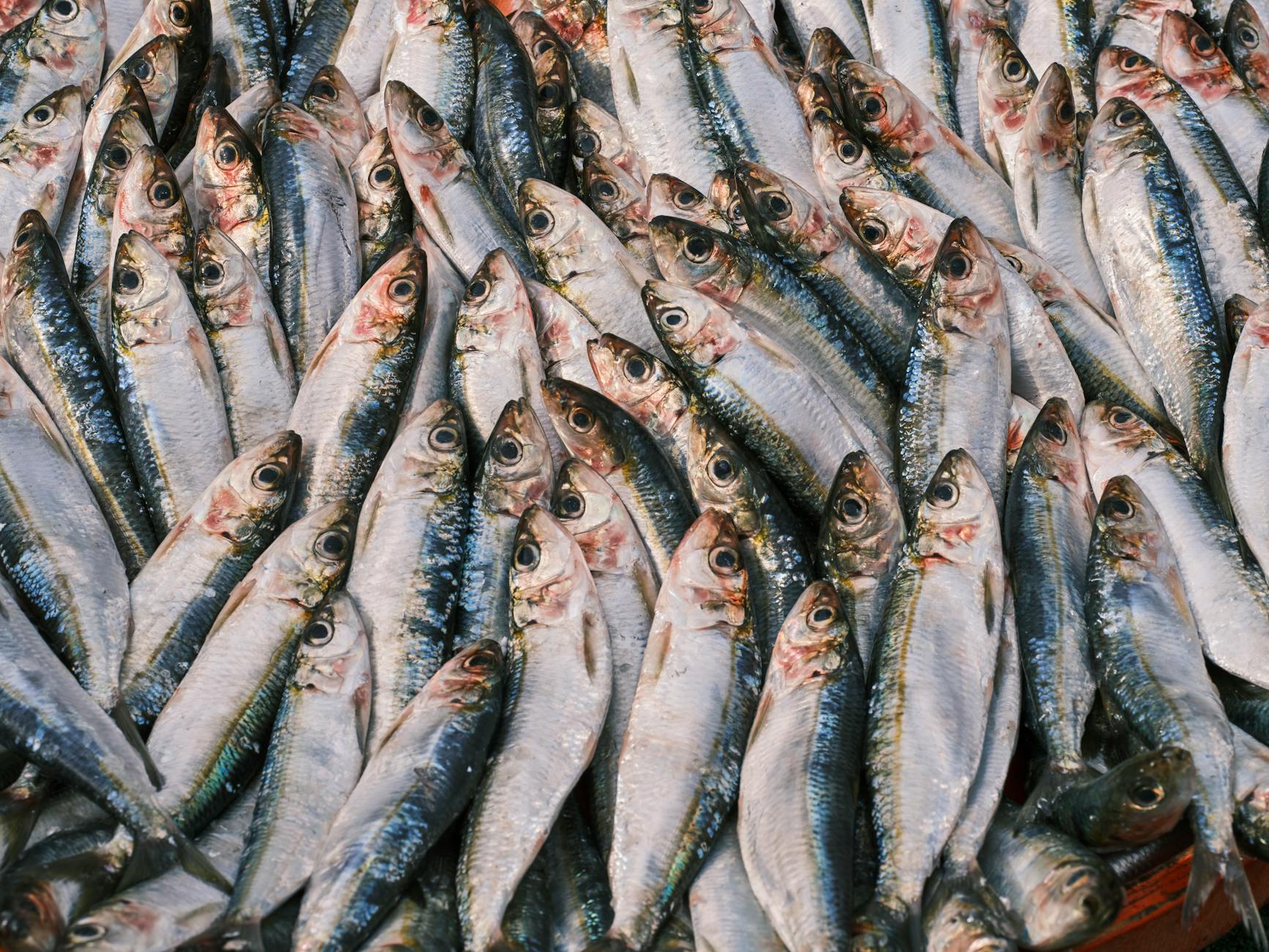
Sardines have been a dietary staple across Mediterranean and coastal cultures for centuries, yet many people overlook them at the grocery store. These tiny, affordable fish deliver an extraordinary concentration of vitamins, minerals, and healthy fats that rival far more expensive superfoods. Understanding sardines nutrition can help you make smarter choices for your heart, bones, and overall well-being.
1. They’re One of the Best Sources of Omega-3 Fatty Acids
A single 3.75-ounce can of sardines delivers roughly 1,300 milligrams of omega-3 fatty acids. These essential fats, particularly EPA and DHA, play a critical role in reducing inflammation throughout the body. Research suggests that omega-3s support brain function, mood regulation, and joint comfort. Studies also indicate that regularly eating omega-3-rich fish like sardines may lower triglyceride levels. In fact, research published in PubMed notes that sardines contain a matrix of cardioprotective nutrients including n-3 PUFA, calcium, potassium, magnesium, and taurine that support cardiometabolic health and may even reduce the need for fish oil supplementation. Adding sardines to your meals two to three times a week is a simple way to boost your omega-3 intake naturally.
2. Sardines Deliver a Remarkable Amount of Calcium
Because sardines are typically eaten with their soft, edible bones, they provide a surprisingly rich source of calcium. One can offers around 350 milligrams, which is roughly a third of the daily recommended intake for most adults. This makes sardines an excellent option for people who are lactose intolerant or avoid dairy. Calcium is essential for strong bones and teeth, proper nerve signaling, and muscle function. If you’re looking for a non-dairy calcium boost, try tossing sardines into a salad or spreading them on whole-grain toast.
3. They’re Packed With High-Quality Protein
Sardines nutrition stands out for protein content. A small can provides about 23 grams of complete protein, meaning it contains all nine essential amino acids your body cannot produce on its own. This makes sardines a convenient post-workout snack or a solid addition to any balanced meal. Protein supports muscle repair, immune function, and satiety between meals. For a quick protein-packed lunch, pair sardines with avocado and a squeeze of lemon on crackers.
4. They Offer Impressive Cardiovascular Benefits
Clinical evidence shows that sardines may do more for your heart than simply supplying omega-3s. A comprehensive review published in PubMed found that sardines provide calcium, potassium, magnesium, zinc, iron, taurine, and arginine that modulate inflammation and oxidative stress in cardiovascular disease, offering benefits that go well beyond standard fish oil. The combination of these nutrients works synergistically to support healthy blood pressure and arterial function. Consider sardines a whole-food approach to heart health rather than relying solely on supplements.
5. They’re Low in Mercury Compared to Larger Fish
Mercury contamination is a legitimate concern with many types of seafood. Sardines sit near the bottom of the ocean food chain, which means they accumulate far less mercury than larger predatory fish like tuna, swordfish, or shark. This lower mercury profile makes sardines a safer choice for frequent consumption. Pregnant women and young children, who are most vulnerable to mercury’s effects, can generally enjoy sardines with greater confidence. Always check current guidelines from your healthcare provider regarding safe fish consumption during pregnancy.
6. They Contain Significant Amounts of Vitamin D
Vitamin D deficiency affects a large portion of the global population, particularly in northern climates. Sardines are one of the few whole-food sources that naturally contain meaningful amounts of this sunshine vitamin. One can provides roughly 175 IU of vitamin D, contributing to your daily needs. Adequate vitamin D supports calcium absorption, immune defense, and mood stability. If you struggle to get enough sunlight or don’t take a supplement, eating sardines regularly can help fill the gap.
7. Sardines May Support Healthy Blood Sugar Levels
Emerging research points to potential metabolic benefits from eating sardines consistently. A study published in PubMed found that enriching the diet with 100 grams of sardines five days a week for six months showed beneficial effects on cardiovascular risk, insulin resistance as measured by HOMA-IR, and gut microbiota in drug-naïve type 2 diabetes patients. While sardines alone won’t manage diabetes, the combination of protein, healthy fats, and micronutrients may help promote more stable blood sugar responses. Pairing sardines with fiber-rich vegetables can further support balanced glucose levels after meals.
8. They’re Rich in Vitamin B12 for Energy and Nerve Health
Sardines are among the top dietary sources of vitamin B12. Just one can delivers well over 100 percent of the recommended daily value. This water-soluble vitamin is essential for red blood cell formation, DNA synthesis, and proper neurological function. B12 deficiency can lead to fatigue, weakness, and cognitive difficulties over time. Older adults and people following plant-based diets who occasionally include fish can benefit enormously from adding sardines to their rotation.
9. They Provide Selenium, a Powerful Antioxidant Mineral
Selenium often flies under the radar, but it plays a vital role in thyroid function and antioxidant defense. A single serving of sardines supplies roughly 50 micrograms of selenium, which is close to the full daily recommendation for adults. This trace mineral helps protect cells from oxidative damage and supports a healthy immune response. Studies indicate that adequate selenium intake may be linked to lower rates of certain chronic conditions. Enjoying sardines a few times a week is an easy, food-first strategy to keep your selenium levels in a healthy range.
10. They’re Budget-Friendly and Incredibly Versatile
Sardines nutrition is impressive, but so is their accessibility. A can typically costs between one and three dollars, making them one of the most affordable sources of high-quality protein and omega-3s available. They require no cooking, no refrigeration until opened, and have a long shelf life. You can eat them straight from the can, toss them into pasta, blend them into fish cakes, or layer them on pizza. For anyone looking to eat healthier on a budget, stocking your pantry with canned sardines is a practical first step.
Sardines pack an extraordinary nutritional profile into a tiny, affordable package, offering everything from omega-3s and calcium to vitamin D and selenium. Whether you eat them on toast, mixed into salads, or straight from the can, aim to include them in your weekly meal plan for a simple, whole-food boost to your overall health.
Medical Disclaimer: This article is for informational purposes only and does not constitute medical advice. Always consult a qualified healthcare professional before making health decisions.




