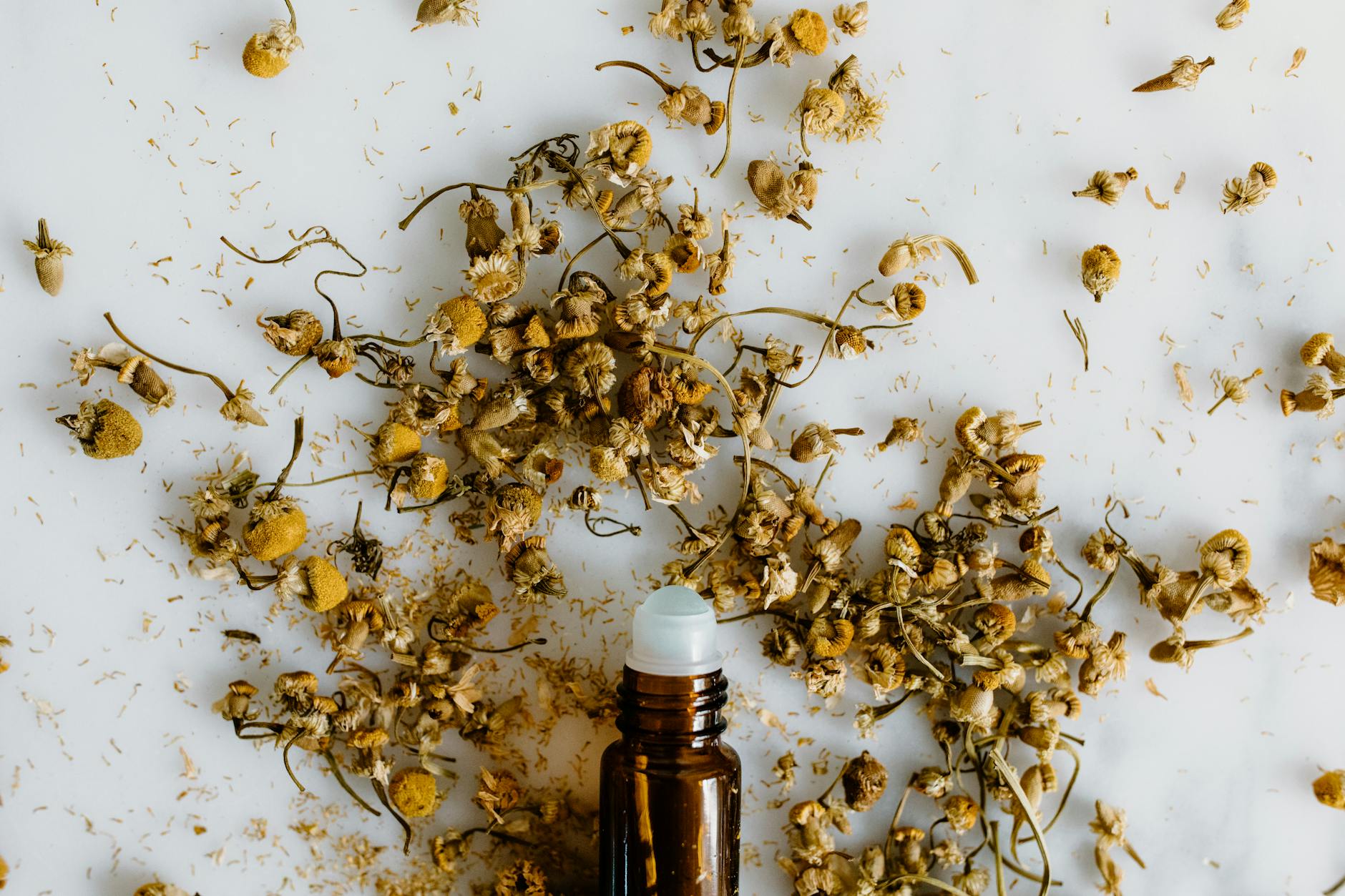
Tea tree oil, extracted from the leaves of Australia’s Melaleuca alternifolia plant, has been a staple in natural medicine for generations. Today, a growing body of scientific research supports many of its traditional uses, from skin care to infection control. Whether you’re new to essential oils or looking to expand your wellness toolkit, these tea tree oil benefits are worth exploring.
1. Fights Acne Breakouts
One of the most popular tea tree oil benefits is its ability to target acne-prone skin. Research suggests that tea tree oil exhibits antibacterial, anti-inflammatory, and antioxidant properties that may reduce inflammatory acne lesions like papules and pustules. The oil works by penetrating skin pores and helping to clear the bacteria that trigger breakouts. It tends to be gentler than harsh chemical treatments, though it may take a bit longer to show results. For a practical approach, look for cleansers or spot treatments containing five percent tea tree oil and patch test on a small area of skin first.
2. Offers Broad-Spectrum Antimicrobial Action
Tea tree oil isn’t a one-trick pony when it comes to fighting germs. Clinical evidence shows it has antiseptic properties active against a variety of bacteria, fungi, viruses, and mites. This broad-spectrum activity makes it a versatile ingredient in natural first-aid applications. Its key compounds, terpinen-4-ol in particular, appear to disrupt the cell membranes of harmful microorganisms. Diluting a few drops in a carrier oil before applying to minor cuts or scrapes is a common way people use this benefit at home.
3. May Help Treat Fungal Infections
Athlete’s foot and other fungal skin conditions can be stubborn and uncomfortable. Studies indicate that tea tree oil demonstrates meaningful efficacy against tinea pedis, with mycological cure rates ranging from 30 to 64 percent compared to placebo. The antifungal compounds in the oil appear to damage fungal cell structures, slowing their growth and spread. Applying a diluted tea tree oil solution to affected areas twice daily is a commonly recommended approach. Talk to a healthcare provider if symptoms persist beyond a few weeks.
4. Reduces Inflammation
Chronic inflammation plays a role in many skin conditions and health concerns. Research suggests tea tree oil may help calm inflammation by inhibiting the production of key inflammatory mediators, including TNF-alpha and IL-1 beta. This anti-inflammatory activity could explain why people report relief from redness, swelling, and irritation when using tea tree oil topically. It may complement other soothing ingredients like aloe vera or chamomile in your skin care routine. Always dilute the oil properly to avoid causing additional irritation to sensitive skin.
5. Supports Oral Health
Your mouth is home to hundreds of bacterial species, and keeping the balance in check matters for gum and tooth health. Research indicates that tea tree oil may help reduce plaque index and gingival inflammation thanks to its antimicrobial properties. Some natural toothpastes and mouthwashes now include tea tree oil as an active ingredient. It is important to note that tea tree oil should never be swallowed, as it can be toxic if ingested. Using a tea tree oil mouthwash as a rinse and spitting it out completely is the safest way to explore this benefit.
6. Soothes Scalp Conditions
Dandruff and itchy, flaky scalps are incredibly common and often linked to fungal overgrowth. Tea tree oil’s antifungal properties may help address the root cause of these symptoms. Many people find that shampoos containing tea tree oil reduce flaking and scalp irritation over time. The oil also appears to help unclog hair follicles by dissolving buildup from dead skin cells and product residue. Starting with a shampoo that contains about five percent tea tree oil is a practical first step for scalp relief.
7. Acts as a Natural Deodorizer
Body odor is primarily caused by bacteria breaking down sweat on your skin. Because tea tree oil has strong antibacterial properties, it may help neutralize odor-causing microbes when applied to problem areas. This is why you will find it listed as an ingredient in many natural deodorants and body sprays. Its clean, slightly medicinal scent also provides a fresh aroma without synthetic fragrances. Mixing a drop or two with coconut oil and applying it to underarms is a simple DIY approach some people swear by.
8. May Aid Minor Wound Healing
Small cuts, scrapes, and abrasions are part of everyday life. Tea tree oil’s antiseptic qualities may help keep minor wounds clean and reduce the risk of bacterial contamination. Some early research suggests the oil could also support the body’s natural wound-healing processes by reducing localized inflammation. It is not a substitute for proper medical wound care, especially with deeper injuries. For minor nicks, diluting tea tree oil in a carrier oil and applying a thin layer to the affected area is a reasonable approach.
9. Helps Manage Contact Dermatitis
Contact dermatitis causes red, itchy patches when your skin reacts to an irritant or allergen. Research suggests that tea tree oil’s anti-inflammatory compounds may help soothe the swelling and discomfort associated with mild contact dermatitis. Some studies have found it to be more effective than certain conventional topical treatments for reducing allergic skin reactions. However, it is worth noting that tea tree oil itself can cause contact dermatitis in some individuals who are sensitive to it. Performing a patch test on a small area of skin 24 hours before broader use is always a smart precaution.
10. Works as a Natural Household Cleaner
Tea tree oil benefits extend beyond personal health and into your living space. Its antimicrobial properties make it an effective ingredient in homemade cleaning solutions for countertops, bathrooms, and other surfaces. Mixing about 20 drops of tea tree oil with water and white vinegar in a spray bottle creates a simple all-purpose cleaner. This approach avoids many of the harsh chemicals found in commercial cleaning products. It is a practical way to keep your home fresh while reducing your exposure to synthetic ingredients that may irritate skin or airways.
Tea tree oil is one of the most versatile natural remedies available, with research supporting its use for skin care, oral health, fungal infections, and more. Start by choosing one or two benefits that align with your needs, and always dilute the oil properly before topical use. If you have sensitive skin or an existing health condition, consult your healthcare provider before adding tea tree oil to your routine.
Medical Disclaimer: This article is for informational purposes only and does not constitute medical advice. Always consult a qualified healthcare professional before making health decisions.




