I saw a woman yesterday who brought in a fistful of pH test strips she bought off Instagram. She was terrified her blood was turning into battery acid. I had to explain that while her blood chemistry is locked behind a physiological vault, what she feeds her kidneys absolutely dictates how fast she ages.
1. The Potassium-Sodium Tug of War
Let’s talk about spinach. Most articles will tell you alkaline diets balance your body’s pH. That framing misses the point entirely. Your respiratory system and renal pathways handle the actual heavy lifting of acid buffering. What dark leafy greens actually do is hand your kidneys a massive physiological bribe in the form of potassium. I can usually spot a patient living on processed foods before the phlebotomist even draws their blood. They carry this distinct, dense puffiness around the eyes. Their skin has a dull, almost gray cast that screams of microscopic vascular strain. When we finally run the labs, the potassium-to-sodium ratio is predictably inverted. PubMed confirms that an alkaline diet rich in fruits and vegetables may improve the K/Na ratio, benefit bone health, reduce muscle wasting, and mitigate chronic diseases like hypertension. But in the exam room, it just looks like a patient who finally stopped waking up exhausted. They start eating kale or Swiss chard daily. The cellular swelling goes down. Systolic pressure naturally retreats by five or six points without medication. The kidneys stop working so frantically to buffer the sheer volume of chloride and phosphate pouring in from the standard American diet. We do not fully understand the exact mechanism of how this low-grade dietary acid load destroys nephrons over a half-century lifespan. We just know it happens.
2. The Lentil Nitrogen Shift
Beans get dismissed as peasant food. But replacing animal flesh with lentils completely changes the metabolic byproduct your kidneys have to filter. A trial published in PubMed showed that an 8-week alkaline diet emphasizing vegetable proteins like soybeans, lentils, beans, peas, and chickpeas improved body composition, aerobic performance, and lipid profiles in sedentary women. It reduces the nitrogenous waste burden. Lowering the ambient ammonia load prevents microscopic scarring in the filtration tubules.
3. The Citrus Citrate Illusion
Citrus tastes acidic on the tongue. Inside the stomach, they release alkaline byproducts during digestion. A patient sat on my exam table last month, clutching a bottle of expensive alkaline water, and told me, “I can literally feel the acid burning my joints from the inside.” She was drinking baking soda mixed with tap water. I told her to stop torturing her stomach acid and just squeeze a lime into her glass instead. The citrate in citrus binds to calcium in the urine. This prevents solid kidney stones from crystallizing. It is a simple chemical reaction that happens silently. You don’t need to waste money on a three-hundred-dollar water ionizer to achieve this.
4. The Skeletal Buffer System
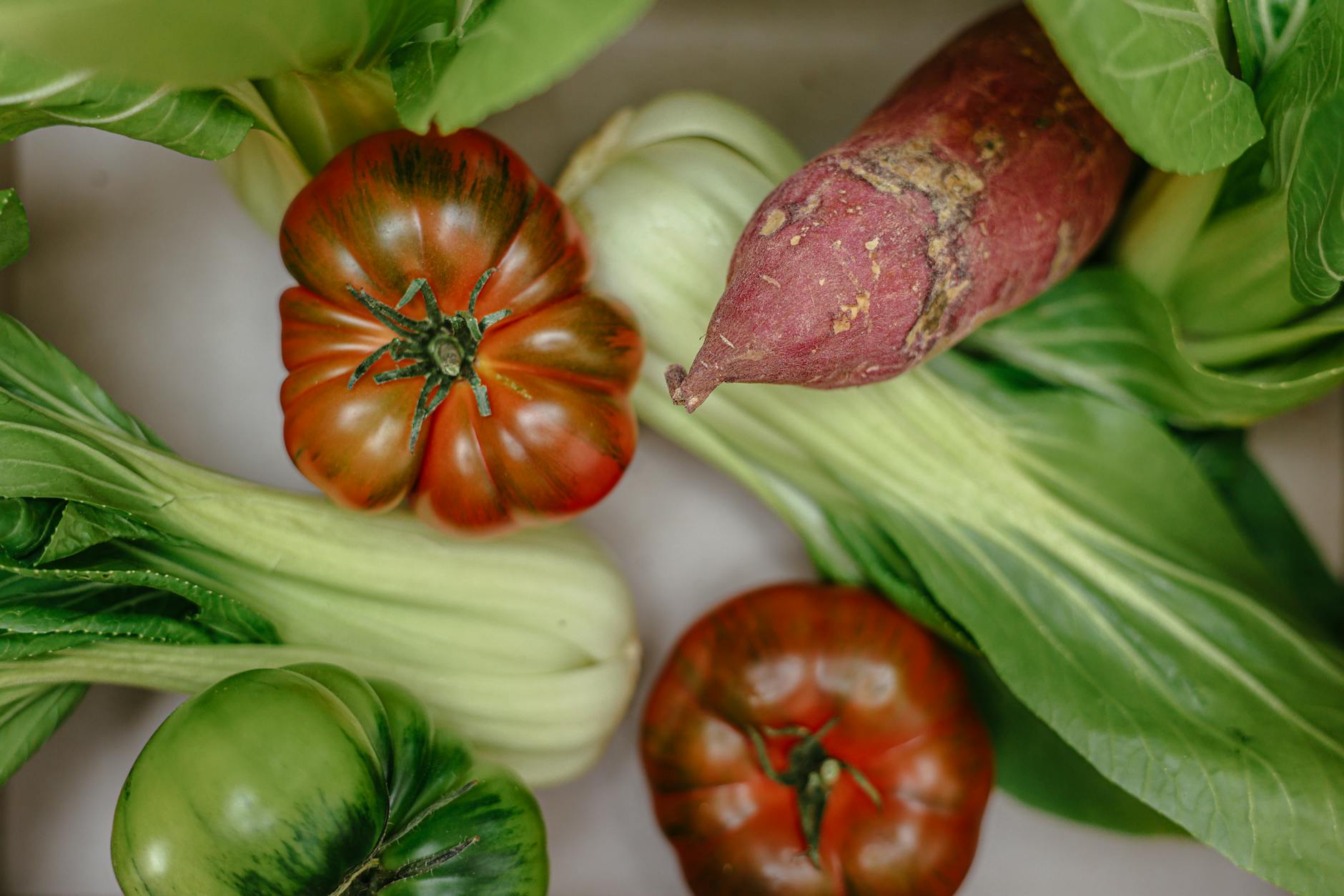
When your diet leans heavily on cheese and cold cuts, your blood relies on its alkaline reserves to stay neutral. Where does the body store alkaline minerals? Inside your skeleton. General practitioners will order a routine DEXA scan for a sixty-year-old woman, see osteopenia, and reflexively prescribe a calcium pill. They miss the dietary acid load entirely. A bone metabolism specialist looks at the same chart and sees a patient who has been silently leaching calcium from her femurs for three decades just to neutralize her daily lunch meat. Root vegetables like sweet potatoes are packed with magnesium and potassium salts. These act as exogenous buffers. If you eat them, your body uses the tuber’s minerals to handle the acid load instead of mining your own bones. It is a slow, quiet theft. You never feel your bone density dropping on a Tuesday afternoon. Then one winter you simply slip on the ice and shatter a hip. The textbook presentation of osteoporosis focuses heavily on estrogen depletion after menopause. The reality in my clinic involves recognizing that chronic low-grade acidosis from a meat-heavy diet accelerates that structural decay exponentially.
5. The Almond Exception
Most nuts lean acidic. Almonds are the rare exception that leave an alkaline ash.
They hand your metabolic machinery a dense package of magnesium without the accompanying phosphate load found in walnuts or peanuts.
Roasting them destroys some of the fragile fatty acids. Eat them raw.
6. Oleic Acid and the Endothelium
Why do we care about the ash left behind by food? Because that ash is the chemical residue your kidneys must process and excrete. Avocados leave a highly alkaline residue. The flesh is heavily loaded with oleic acid. This directly suppresses inflammatory markers inside the vascular endothelium. Modern diet culture treats them like a trendy toast topping. I view them as a cheap vascular medicine that happens to taste good. Their abundant potassium actively antagonizes the sodium tightening up your blood vessels. Blood flow improves.
7. Structured Hydration Gradients
Water alone does not flush toxins. Kidneys require electrochemical gradients to push waste across cell membranes. Cucumbers provide the exact structured water and mineral balance needed to optimize that gradient. (I loathe the word “toxin” in medical writing, but in this narrow context of urea and creatinine clearance, it actually applies). They contain silica and molybdenum. These trace elements support the connective tissue in the renal pelvis. Eating a cucumber is far more effective for cellular hydration than chugging a gallon of dead, distilled water.
8. Phthalides in Raw Stalks
Juicing celery recently became a ridiculous internet fad. However, the raw stalk itself possesses genuine pharmacological properties. It contains phthalides. These compounds relax the smooth muscle tissue lining the arterial walls. A guy in his forties came in with refractory hypertension and confessed, “My pee strips say I’m failing the pH test every morning.” I threw the strips in the biological waste bin. We talked about replacing his morning bagels with celery and hummus. Six weeks later his resting systolic pressure had fallen by twelve points. The stalk provides a massive influx of alkaline electrolytes that force the kidneys to dump excess fluid.
9. Hepatic Enzyme Transcription
Medical textbooks describe metabolic acidosis strictly as a crisis involving hyperventilation and a crashing pH in the ICU. The exam room reality is far subtler. It usually presents as a vague, creeping exhaustion. Broccoli and Brussels sprouts contain glucosinolates. These precursors upregulate the liver’s phase two detoxification enzymes. This shifted metabolic environment favors a state of systemic alkalinity. You aren’t just eating roughage. You are actively altering the enzymatic transcription rate inside your hepatic cells. Sometimes I wonder if we explained nutrition through biochemistry instead of calories, patients would finally…
10. Volatile Electron Donors
Oddly enough, ascorbic acid sounds entirely counterproductive to an alkaline diet. Yet bell peppers deliver an enormous dose of it while maintaining a negative potential renal acid load. The vitamin acts as a volatile electron donor. It neutralizes free radicals before they can strip electrons from your cellular membranes. Red peppers hold vastly more of this buffering capacity than green ones simply because they stayed on the vine longer. We measure this capacity in the lab. The patient just eats the pepper. The body extracts the electrons, dumps the waste, and attempts to repair the oxidative damage inflicted by simply existing in the modern world. The cells divide until they eventually stop.
Medical Disclaimer: This article is for informational purposes only and does not constitute professional medical advice. Always consult a qualified healthcare professional before making changes to your health routine.




