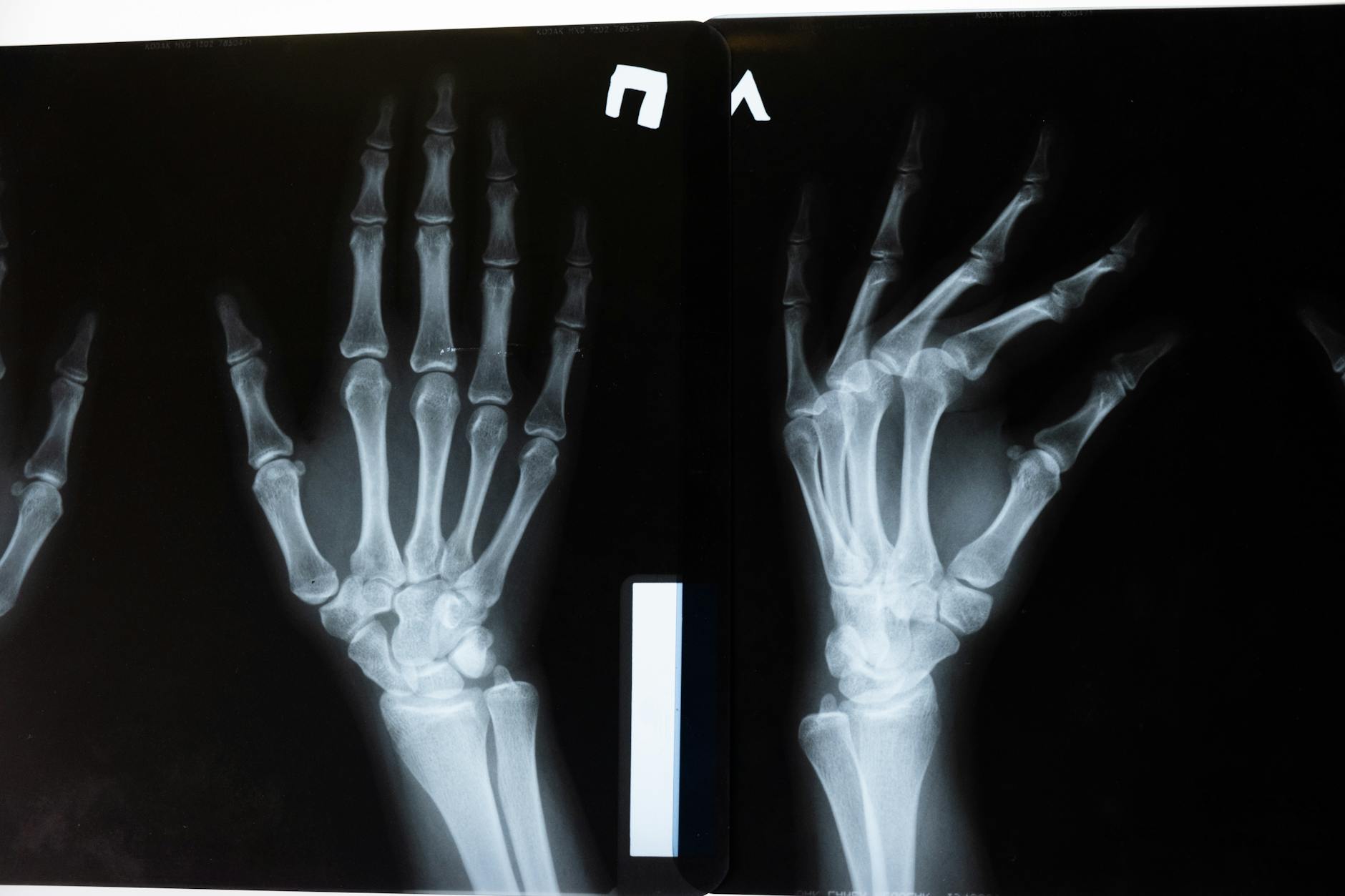
A spiral fracture occurs when a twisting force causes a bone to break in a corkscrew-like pattern, and it affects thousands of people each year — from athletes to young children. Understanding how this injury differs from other fractures can help you recognize warning signs, seek the right treatment, and recover more effectively. Here are ten important facts that shed light on what makes a spiral fracture unique.
1. It’s Caused by a Twisting Force, Not a Direct Blow
Unlike fractures caused by a sudden impact, a spiral fracture results from a rotational or twisting force applied to a bone. Imagine your foot staying planted while your body turns sharply during a fall. This torque travels along the length of the bone, creating a distinctive helical break pattern. The fracture line wraps around the bone like a spiral staircase. This mechanism is different from transverse or oblique fractures, which result from bending or angular force. Research from PubMed Central shows that spiral fractures were successfully induced in over 85% of bone specimens under torsional stress, confirming that rotation is the primary driver. Knowing the cause can help you describe your injury accurately to a doctor.
2. The Tibia Is One of the Most Commonly Affected Bones
While spiral fractures can occur in any long bone, the tibia — your shinbone — is especially vulnerable. This is because the lower leg often absorbs rotational forces during falls, sports, and accidents. Skiers, soccer players, and runners face a higher risk due to the movements their legs endure. The tibia’s position between the ankle and knee makes it a natural target for twisting injuries. If you experience sudden, severe shin pain after a twisting motion, seek medical evaluation promptly rather than assuming it is just a sprain.
3. Hidden Ankle Fractures Often Accompany Spiral Tibia Breaks
One of the most overlooked complications of a spiral tibial fracture is an associated ankle injury. Research published in PubMed found that among 28 patients with spiral tibia fractures, 10 also had occult posterior malleolus fractures that standard X-rays missed. CT scans detected these hidden fractures far more reliably, with radiography showing only about 33% sensitivity. These findings highlight the importance of advanced imaging. If you sustain a spiral fracture of the tibia, ask your doctor whether a CT scan is warranted to rule out ankle involvement.
4. They Can Signal Child Abuse in Young Children
In pediatric medicine, a spiral fracture in a child who is not yet walking raises immediate concern. Toddlers and infants lack the ability to generate the twisting forces needed to cause this type of break on their own. For this reason, healthcare providers are trained to consider non-accidental trauma when they see spiral fractures in very young patients. This does not mean every spiral fracture in a child indicates abuse. However, doctors must evaluate the injury within the context of the child’s developmental stage and the story provided by caregivers. Open and honest communication with your pediatrician is essential in these situations.
5. The Fracture Pattern Affects Joint Stability More Than You Might Think
A spiral fracture doesn’t just damage the bone shaft — it can extend into nearby joints and threaten their stability. A recent study in PubMed Central examined 160 patients with spiral tibial shaft fractures and found that 39.3% had anterior malleolar extension alongside posterior involvement. This means the fracture reached into the ankle joint far more often than previously appreciated. Overlooking this extension could lead to chronic instability or arthritis. Three-dimensional imaging helps surgeons plan more precise repairs that protect joint function long-term.
6. Diagnosis Often Requires More Than a Simple X-Ray
Standard X-rays can identify most spiral fractures, but they frequently miss subtle details. The helical fracture line can be difficult to visualize on two-dimensional images, especially when it extends toward a joint. CT scans and sometimes MRI provide a much clearer picture of the break’s full extent. These advanced tools reveal displacement, rotation, and associated soft tissue damage. If your initial X-ray seems inconclusive but your symptoms are severe, requesting additional imaging is a reasonable next step to ensure nothing is missed.
7. Treatment Ranges from Casting to Surgery
The treatment approach for a spiral fracture depends on its location, severity, and whether the bone fragments are displaced. Minor, stable spiral fractures may heal well with immobilization in a cast or splint. More complex breaks often require surgical intervention. Intramedullary nailing, plates, and screws are common fixation methods that hold bone fragments in proper alignment while they heal. Your orthopedic surgeon will consider factors like your age, activity level, and overall health when recommending a plan. Following post-surgical instructions carefully can make a significant difference in your outcome.
8. Athletes Face Unique Spiral Fracture Risks
Sports that involve sudden direction changes, pivoting, or high-speed collisions put athletes at greater risk for spiral fractures. Dancers, in particular, can sustain a spiral oblique fracture of the fifth metatarsal in the foot. Research in PubMed found that operative management of this specific fracture achieved a 99.2% union rate with an average return to sport in 15.4 weeks, compared to 22.4 weeks for nonoperative care. Both approaches showed low complication rates. Athletes should discuss the trade-offs between faster return to play and the risks of surgery with their sports medicine team.
9. The Periosteum Plays a Protective Role
The periosteum is a thin membrane that wraps around the outer surface of bones. It plays a surprisingly important role during spiral fractures. Clinical evidence shows that when the periosteum remains intact, it can distribute tensile stress more broadly across the bone under torsional loading. This means the membrane acts as a natural stabilizer during the injury. In children, the periosteum tends to be thicker and more resilient, which can influence the fracture pattern and healing potential. Understanding this biological factor helps explain why some spiral fractures are more stable than others.
10. Recovery Time Varies Widely Based on Several Factors
Healing from a spiral fracture is not a one-size-fits-all timeline. Most spiral fractures take anywhere from six weeks to several months to heal, depending on the bone involved and the treatment method used. Age, nutrition, blood supply to the fracture site, and whether you smoke all influence recovery speed. Physical therapy is almost always recommended to restore strength, flexibility, and range of motion. Returning to activity too soon increases the risk of re-fracture or delayed union. Work closely with your healthcare team to establish a realistic recovery plan tailored to your individual situation.
Spiral fractures are more complex than many people realize, involving hidden joint injuries, unique diagnostic challenges, and recovery timelines that vary widely. If you or someone you care about sustains a twisting injury to a limb, seek prompt medical evaluation — and don’t hesitate to ask about advanced imaging and a personalized treatment plan.
Medical Disclaimer: This article is for informational purposes only and does not constitute medical advice. Always consult a qualified healthcare professional before making health decisions.




