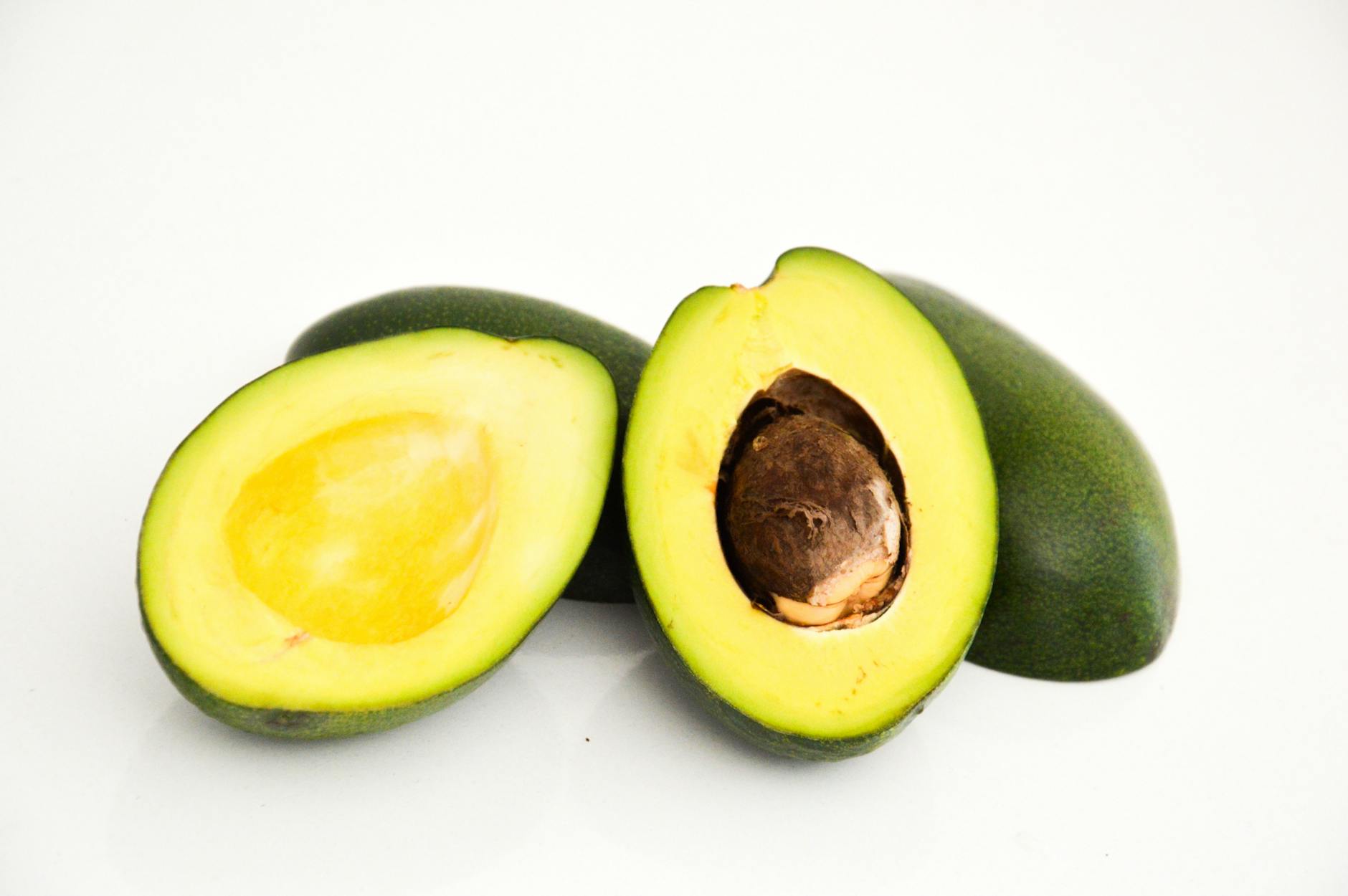
Patients tell me they eat an avocado a day and stare at me, waiting for applause. They treat this fruit like a pharmaceutical intervention. The reality of how this fat behaves in the human bloodstream is far messier.
1. Shifting the ApoB burden
Most articles will tell you avocados lower your cholesterol. That framing misses the point. When a patient gets basic bloodwork, the GP usually just looks at total LDL, flags it if it’s high, and writes a statin prescription. Down in the lipid clinic, we look at the actual particle size. The textbooks claim monounsaturated fats broadly improve lipid profiles. What I actually see in the exam room is a subtle shift in particle density. A patient will come in complaining, “I eat an avocado every single morning but my bad cholesterol hasn’t moved a point.” They feel cheated by the wellness blogs. But when we run an NMR lipid profile, their small, dense LDL particles, the dangerous ones that crash into the arterial wall, have decreased. The total cholesterol number stays stagnant because the particles got larger and more buoyant. We know from large US cohort data that eating two or more servings a week correlates with a 21% lower risk of coronary heart disease. It happens invisibly. The fat modifies the structural integrity of your cell membranes. And you won’t see this on a standard annual physical panel. The blood tests most people get are simply too blunt to measure the upgrade in their cellular machinery.
2. Blunting the postprandial spike
When you eat a slice of plain toast, your pancreas works overtime to clear the resulting glucose. Smear a quarter of an avocado on that same bread. The glucose curve flattens out. (We still don’t fully understand the exact mechanics of how oleic acid interacts with incretin hormones.) You buy yourself time.
3. Offloading hepatic stress
I can usually spot fatty liver disease before the ultrasound confirms it. The patient sits on the table, exhausted, with a faint darkening around the folds of their neck. They invariably tell me they avoid fat to lose weight. Replacing refined carbohydrates with avocado fat changes the metabolic burden on the liver. Fructose demands immediate hepatic processing. Oleic acid follows a completely different metabolic pathway. The liver doesn’t have to panic and convert it into triglycerides for storage. It burns steady. This quiet shift reduces systemic inflammation markers like hsCRP, especially in adults dealing with overweight and insulin resistance.
The organ gets a chance to breathe.
4. The hidden roughage
Hidden inside the flesh is nearly ten grams of fiber. That alters the microbiome. You feed the bacteria in the descending colon. Short-chain fatty acids are produced. These acids reinforce the gut barrier.
5. Relaxing the vascular walls
Cardiologists obsess over sodium while entirely ignoring potassium. A standard avocado has more potassium than a banana. This mineral acts directly on the endothelial cells lining your blood vessels. It forces them to relax. Why does blood pressure drop? Because the physical pipes in your body have widened. The heart pumps against less resistance. I will have patients track their blood pressure at home, frustrated by the erratic spikes. We increase their dietary potassium through whole foods, not pills. The readings slowly stabilize. It takes weeks of consistent intake for the vascular tone to adapt.
6. Unlocking neighboring nutrients
Do you actually absorb the lycopene in your salad? Not without a lipid carrier. You can eat all the raw spinach and tomatoes you want. Without a dietary fat present in the digestive tract simultaneously, vitamins A, D, E, and K pass right through you. The avocado acts as a chemical solvent. It extracts the fat-soluble compounds from the leafy greens. I see so many patients dutifully eating dry salads, wondering why their vitamin D levels remain abysmal. You have to mix the chemistry. Drop the fat into the bowl. The digestive enzymes need the lipid molecules to bind to the vitamins.
7. Silencing the leptin alarms
“I’m starving two hours after I eat oatmeal, it’s like I didn’t even have breakfast.” I hear this complaint weekly. The patient is experiencing a ghrelin surge. Their stomach empties rapidly, and the brain panics. Avocado interrupts this neurochemical feedback loop. The combination of water, fiber, and monounsaturated fat stretches the stomach wall just enough. It sends a mechanical signal to the vagus nerve. Hunger is suppressed hormonally, not just physically. You don’t get the afternoon crash. The brain feels secure in its energy reserves. This is why eating one avocado daily improves adherence to better dietary patterns in adults with abdominal obesity. They simply stop craving garbage.
8. Pigmenting the macula
The central retina requires lutein to filter out blue light. Avocados are uniquely rich in this carotenoid. The fat naturally present in the fruit ensures the lutein survives the harsh acidic environment of the stomach. It travels through the bloodstream and physically accumulates in the back of the eye. Your macular pigment density increases. Vision sharpens. The same compound also crosses the blood-brain barrier. We track cognitive decline in the clinic, watching memories slip away. Depositing antioxidants directly into neural tissue offers a modest buffer against oxidative stress.
9. Cooling the synovial fluid
Inside your joints, cartilage degrades silently. The knees ache when the barometric pressure drops. Phytosterols inside the avocado matrix actively inhibit the inflammatory pathways that degrade joint tissue. It doesn’t rebuild lost cartilage. Nothing does. But it changes the composition of the synovial fluid bathing the joint. The fluid becomes less hostile. The swelling recedes marginally. Patients notice they can walk up the stairs with slightly less hesitation in the mornings.
10. The biological ceiling of whole foods
Adding a superfood cannot outrun systemic excess. I watch patients meticulously slice organic avocados over massive plates of refined pasta. They assume the healthy fat neutralizes the carbohydrates. The human body doesn’t work on a ledger system. Fats are densely caloric. An average avocado contains over two hundred and fifty calories. If you eat two a day on top of your normal diet, your adipocytes will expand. You will gain weight. The metabolic benefits evaporate the moment you cross into a caloric surplus. The insulin resistance returns. The liver gets congested again. Avocado is a replacement for industrial seed oils and saturated animal fats, not an innocent garnish. It demands respect for its energy density. The fat must displace something else on the plate to be therapeutically effective. We see this constantly in follow-up appointments. A patient feels they are doing everything right, adopting every wellness trend they see online. They pour olive oil over everything and eat an avocado with every meal. Then they step on the scale and look at me with total betrayal. You cannot hack human metabolism by simply adding more food to a broken diet. The biochemistry only works when it replaces the inflammatory compounds that caused the damage in the first place.
Dietary modifications are slow, unglamorous work. Eat the fruit because it functions as a superior fuel source, not because you expect a miracle.
Medical Disclaimer: This article is for informational purposes only and does not constitute professional medical advice. Always consult a qualified healthcare professional before making changes to your health routine.




