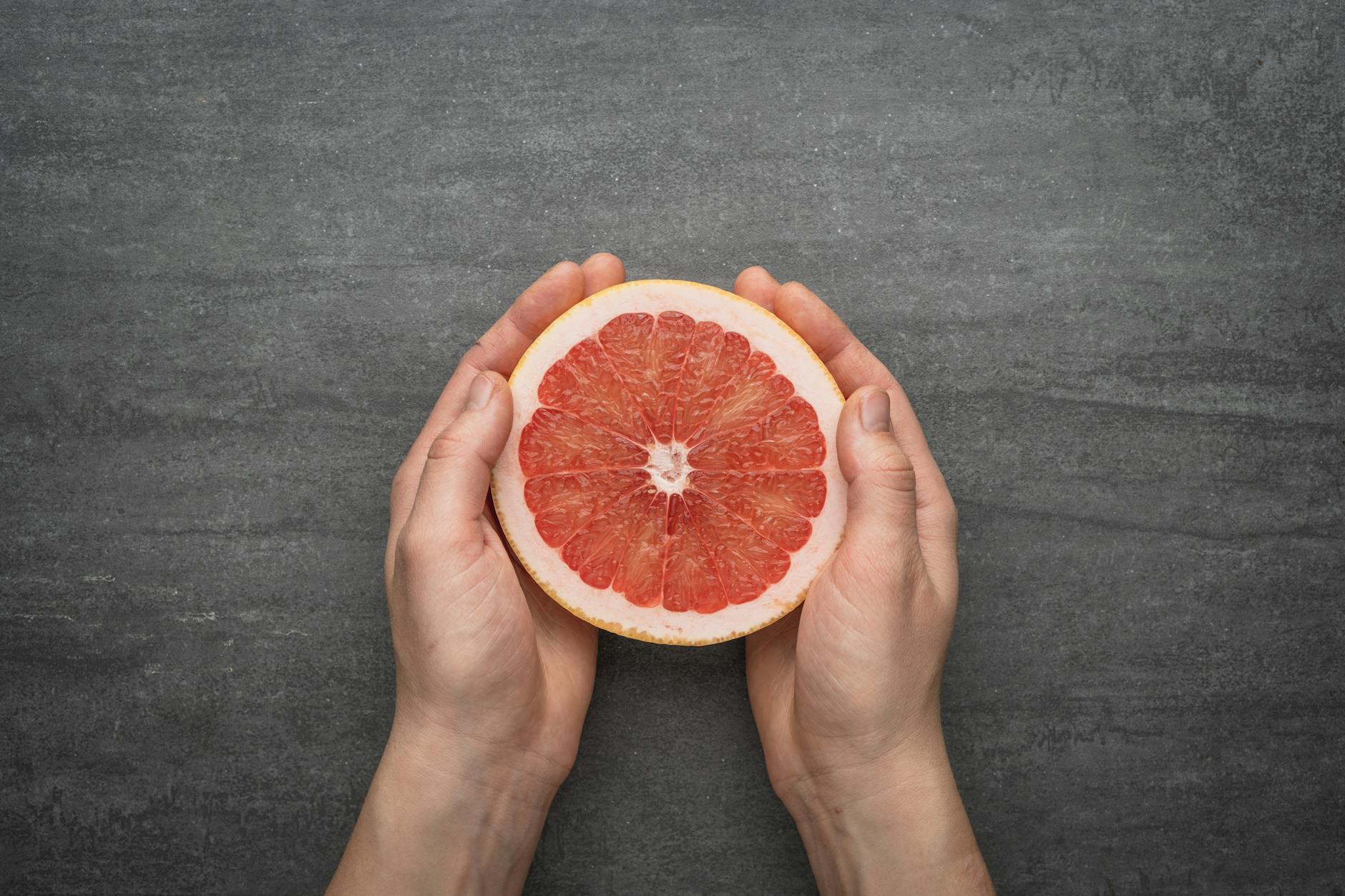
Patients often treat fruit as a monolith, assuming an apple does the same metabolic work as a citrus wedge. Grapefruit is an entirely different biochemical animal. We spend so much time warning people about how it interacts with medications that we forget to talk about what it actually does to human tissue.
1. Blunts Post-Prandial Insulin Spikes
She walked in with that characteristic mid-section bloat and faint acanthosis on her neck, and I knew her fasting insulin was climbing before the lab draw. Textbooks describe metabolic syndrome as a tidy triad of symptoms, but in the exam room it just looks like relentless fatigue and creeping waistlines. Patients get told to just eat less. A busy GP will see borderline high triglycerides and write a statin script, whereas an endocrinologist might first look at post-prandial insulin clearance. We have data showing that eating half a fresh grapefruit before meals lowers two-hour post-glucose insulin levels. This isn’t about magic calorie burning. It’s about slowing the rate at which glucose hits the bloodstream. The naringin in the fruit forces the pancreas to pump out less insulin to handle the same amount of food. One woman told me recently, “My blood sugar feels less spiky when I eat this.” She was right. The fruit acts like a mild pharmacological agent, altering how your liver processes subsequent carbohydrates. You effectively pre-load your digestive tract with a compound that dampens the metabolic impact of whatever you eat next. The effect is measurable and consistent, especially in metabolically compromised individuals.
2. Dictates Enzymatic Authority
Cardiologists spend half our time telling patients not to eat grapefruit with statins or blood pressure meds. Why does this happen? The furanocoumarins in the juice block the CYP3A4 enzyme in your gut. This means more of the drug enters your blood. While dangerous for pharmacology, it proves this fruit actively dictates how your liver and intestines metabolize foreign substances. Very few foods possess that kind of localized enzymatic authority.
3. Suppresses Endothelial Rusting
Oxidative stress is a garbage term thrown around in wellness blogs. In clinical practice, we measure it through things like F2-isoprostanes. These are lipid fragments produced when free radicals attack cell membranes. High levels correlate directly with vascular damage. When adults with metabolic syndrome eat grapefruit twice daily, those F2-isoprostane concentrations drop. The effect is sharpest in people who start out with the highest baseline levels of systemic inflammation. You don’t feel this happening. Your joints don’t suddenly stop aching. But inside the endothelium of your blood vessels, the rate of cellular rusting slows down. The pink and red varieties contain lycopene, adding another layer of vascular defense. (We usually associate lycopene with tomatoes, but citrus delivers it quite efficiently.)
4. Slows Skeletal Degradation
Most articles will tell you grapefruit is a fat-burning miracle. That framing misses the point. Its most fascinating potential might actually reside in the skeleton. We don’t entirely understand the mechanism yet, but grapefruit pulp consumption improves bone density and reduces turnover markers, at least in animal models. The antioxidants seem to interfere with signaling pathways that tell osteoclasts to break down bone tissue. It slows the degradation process itself.
5. Triggers Mechanical Satiety
There is a physical reality to eating this fruit. It’s mostly water, bound up in a heavy fibrous matrix of pectin. When you eat the segments, including the thin membranous walls, that pectin turns into a gel in your stomach. This physically delays gastric emptying. A patient recently sat in my office and said, “I feel like I ate a whole meal but it was just water.” That’s exactly what the gut is sensing. Stretch receptors in the stomach wall register the volume of the water and fiber, sending satiety signals to the brain long before caloric needs are met. But juicing destroys this mechanism completely. A glass of juice is just flavored sugar water that spikes your glucose, bypassing the mechanical stretch response that makes the whole fruit so effective for appetite regulation.
6. Shifts Hepatic Lipid Production
High triglycerides make your blood thick. They turn serum from a clear liquid into something resembling milk when we spin it down in a centrifuge. Diet plays an immediate role in managing these fat particles. Red grapefruit contains bioactive compounds that influence lipid metabolism directly in the liver. It shifts the organ away from producing very-low-density lipoproteins. I’ve watched patients drop their triglyceride levels by twenty percent simply by adding a ruby red grapefruit to their morning routine, without changing much else. The white variety doesn’t seem to have the same aggressive effect on lipids. The darker the flesh, the more robust the lipid-lowering capacity seems to be.
7. Anchors Dietary Phenotypes
People who gravitate toward this bitter citrus tend to exist in a different behavioral phenotype. A massive review of nutritional data found that female grapefruit consumers consistently show lower body weight, narrower waist circumferences, and reduced C-reactive protein levels compared to people who never eat it. They also have higher general diet quality. This is where we have to separate biological mechanics from behavioral markers. Eating the fruit doesn’t magically cause you to eat better for the rest of the day. Instead, tolerating bitter flavors often correlates with a palate that rejects hyper-palatable, ultra-processed junk food. If you can enjoy a tart, unsweetened citrus segment, your taste buds are likely calibrated to appreciate whole foods. This makes maintaining a lower body mass index easier because you aren’t constantly fighting cravings for engineered sweetness. It creates a reinforcing loop. You eat foods that stabilize your blood sugar, which prevents the mid-afternoon crashes that drive people toward the vending machine. The fruit itself is doing some of the metabolic heavy lifting, but the patient’s palate is doing the rest. We see this pattern frequently in preventative cardiology. A patient adopts one austere, bitter whole food into their morning routine, and it inadvertently sets a dietary tone for the next twelve hours. It acts as a behavioral anchor as much as a nutritional intervention.
8. Delivers Low-Glycemic Ascorbic Acid
Historically, everyone knows citrus prevents scurvy. That’s old news. But oranges have been bred to be candy-sweet, packing a heavy fructose load alongside their ascorbic acid. Grapefruit delivers a massive dose of Vitamin C with a fraction of the glycemic penalty. The immune system requires this vitamin to stimulate the migration of neutrophils to sites of infection. During cold season, patients load up on orange juice, inadvertently spiking their blood sugar and creating systemic inflammation while trying to fight off a virus. It’s entirely counterproductive. A half grapefruit provides roughly fifty percent of your daily requirement without the corresponding insulin spike. The vitamin is delivered in a package that actually supports immune function rather than confusing it with a sugar load.
9. Promotes Peripheral Vasodilation
Managing blood pressure is largely a story of vascular tension. Sodium causes vessels to constrict and hold water. Potassium forces them to relax. We constantly tell patients to eat bananas for potassium, ignoring the fact that a medium grapefruit contains nearly three hundred milligrams of the mineral. When that potassium enters the bloodstream, it acts directly on the endothelial cells lining your arteries, promoting vasodilation. It eases the physical pressure against the arterial walls. This is a quiet, ongoing process. You don’t feel your vessels relaxing. The heart simply doesn’t have to pump as hard against the resistance in your peripheral arteries.
10. Drives Intracellular Hydration
Chronic dehydration in older adults rarely looks like thirst. It usually presents as lethargy, mild confusion, or a sudden rise in blood pressure. Getting them to drink plain water is a constant battle.
I see it every winter.
Grapefruit is roughly eighty-eight percent water, but it’s structured water. It comes packaged with the exact electrolytes required to pull that fluid across cell membranes. You aren’t just pouring liquid into the stomach. You’re delivering hydration alongside calcium, magnesium, and potassium, which prevents the kidneys from simply flushing the water straight out. The fluid actually stays in the intracellular space where it belongs.
The utility of this fruit lies in its metabolic friction, forcing the gut and liver to work slower and smarter. Check your medication list for enzyme conflicts before making it a daily habit.
Medical Disclaimer: This article is for informational purposes only and does not constitute medical advice. Always consult a qualified healthcare professional before making health decisions.




